. 2021 Dec 6;12(12):1953.
doi: 10.3390/genes12121953.

The Genetic Landscape of Patent Foramen Ovale: A Systematic Review

Affiliations

The Genetic Landscape of Patent Foramen Ovale: A Systematic Review

Matteo Paolucci et al. Genes (Basel). .

Abstract

Patent Foramen Ovale (PFO) is a common postnatal defect of cardiac atrial septation. A certain degree of familial aggregation has been reported. Animal studies suggest the involvement of the Notch pathway and other cardiac transcription factors (GATA4, TBX20, NKX2-5) in Foramen Ovale closure. This review evaluates the contribution of genetic alterations in PFO development. We systematically reviewed studies that assessed rare and common variants in subjects with PFO. The protocol was registered with PROSPERO and followed MOOSE guidelines. We systematically searched English studies reporting rates of variants in PFO subjects until the 30th of June 2021. Among 1231 studies, we included four studies: two of them assessed the NKX2-5 gene, the remaining reported variants of chromosome 4q25 and the GATA4 S377G variant, respectively. We did not find any variant associated with PFO, except for the rs2200733 variant of chromosome 4q25 in atrial fibrillation patients. Despite the scarceness of evidence so far, animal studies and other studies that did not fulfil the criteria to be included in the review indicate a robust genetic background in PFO. More research is needed on the genetic determinants of PFO.

Keywords: Atrial Septal Defects; Congenital Heart Defects; paradoxical embolism.


Conflict of interest statement

The authors declare no conflict of interest.

Figures
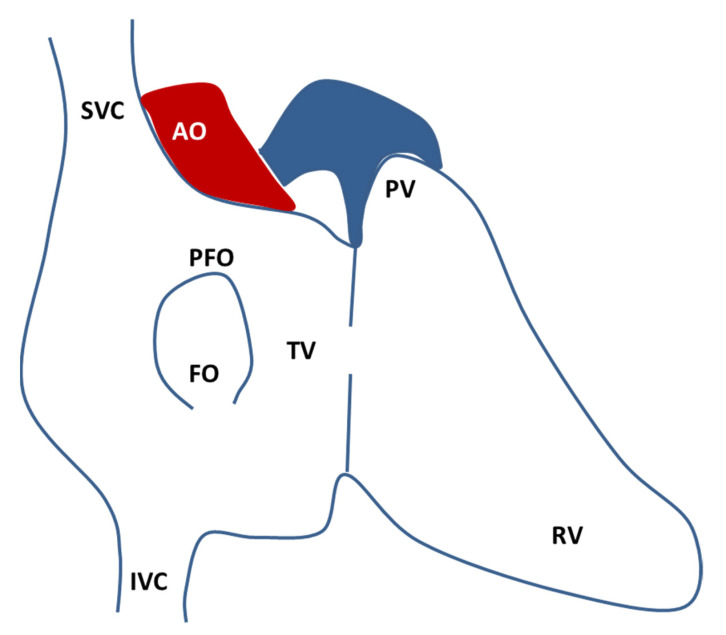
Figure 1
Figure 1
Schematic drawing of the atrial septal anatomy seen from the right atrium (redrawn from Calvert, P., Rana, B., Kydd, A. et al. Patent foramen ovale: anatomy, outcomes, and closure. Nat Rev Cardiol 8, 148–160 (2011). https://doi.org/10.1038/nrcardio.2010.224 accessed date 28 October 2021.). The fossa ovalis (FO) is composed by the septum primum and the septum secundum and the usual location of the PFO is on the anterosuperior border of the FO. AO, aorta; FO, fossa ovalis; IVC, inferior vena cava; PFO, patent foramen ovale; PV, pulmonary valve; RV, right ventricle; SVC, superior vena cava; TV, tricuspid valve.
Figure 2
Figure 2
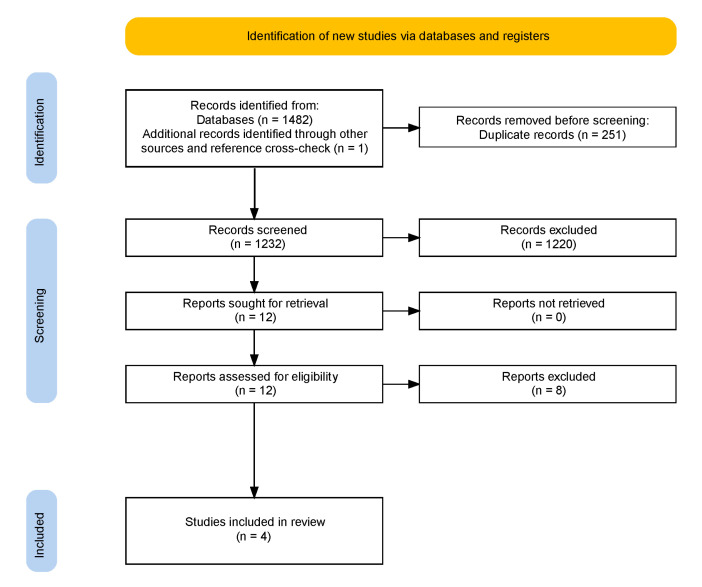
PRISMA flow chart.
Figure 3
Figure 3
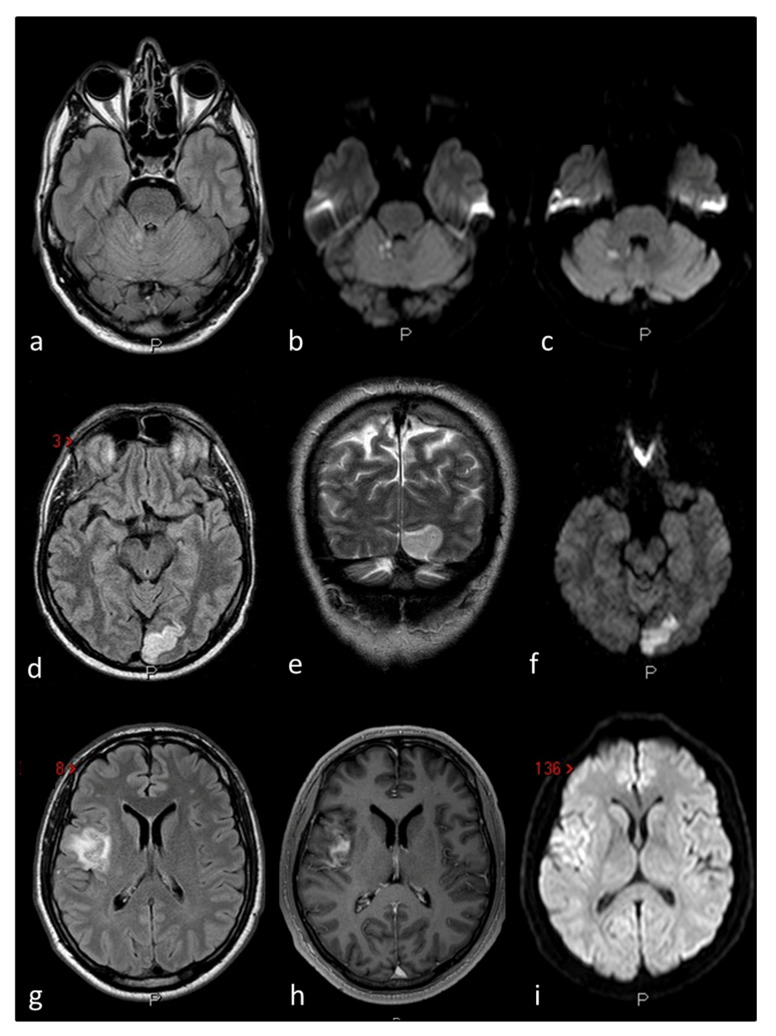
The figure outlines three examples of cryptogenic embolism in patients with PFO as imaged in Magnetic Resonance Imaging (MRI) of the brain: Patient 1 (ac) multiple right cerebellar recent ischemic lesions on axial FLAIR (a) and DWI (b,c) MRI sequences. Patient 2 (df) left occipital ischemic stroke in a patient with migraine with aura and PFO on axial FLAIR (d) coronal T2W (e) and DWI MRI sequences. Patient 3 (gi) right temporo-parietal ischemic stroke on axial FLAIR (g) contrast-enhanced axial T1W (h) and DWI (i) MRI sequences.
Figure 4
Figure 4
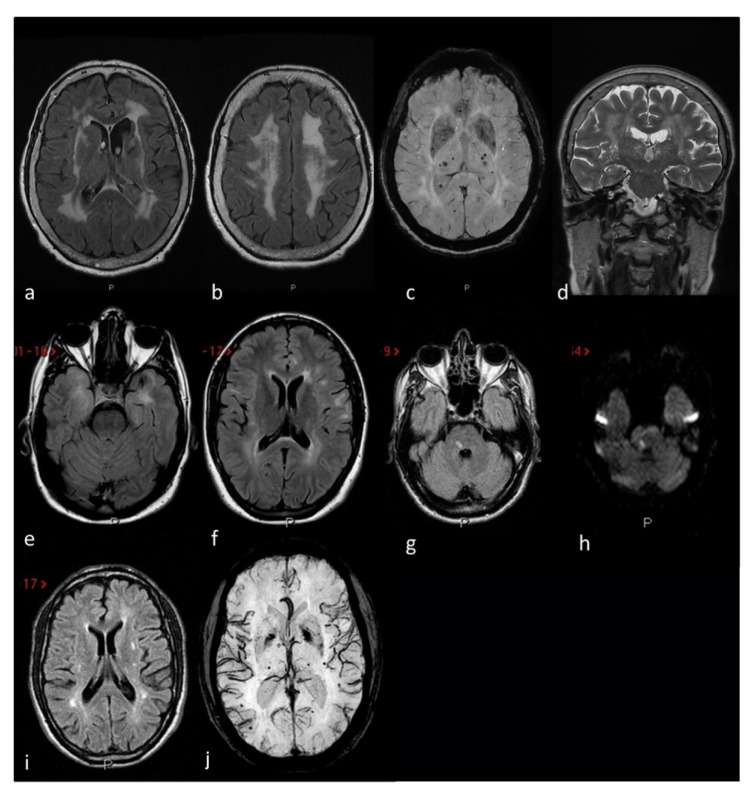
MRI markers of small vessel disease in three CADASIL patients: Patient 1 (ad) severe leukoaraiosis involving subcortical white matter, external capsule and periventricular regions in a symmetrical pattern on axial FLAIR (a,b) MRI, associated with deel and lobar supratentorial microbleeds on SWI (axial MiP sequences) MRI (c) and enlarged perivascular spaces in the basal ganglia on coronal T2W (d) MRI. Patient 2 (e,f) anterior temporal lobe involvement (e) and periventricular and iuxtacortical white matter hyperintensities (f) on axial FLAIR MRI. Patient 3 (gj) recent subcortical ischemic stroke on the right portion of the pons on FLAIR (g) and DWI (h) MRI sequences, supratentorial white matter hyperintensities with a dotted distribution involving the external capsule and the periventricular regions on axial FLAIR (i) MRI and multiple supratentorial deep and lobar microbleeds on SWI (MiP sequences) MRI (j).

References

    1. Homma S., Sacco R.L. Patent Foramen Ovale and Stroke. Circulation. 2005;112:1063–1072. doi: 10.1161/CIRCULATIONAHA.104.524371. - DOI - PubMed
    1. Katsanos A.H., Psaltopoulou T., Sergentanis T.N., Frogoudaki A., Vrettou A., Ikonomidis I., Paraskevaidis I., Parissis J., Bogiatzi C., Zompola C., et al. Transcranial Doppler versus Transthoracic Echocardiography for the Detection of Patent Foramen Ovale in Patients with Cryptogenic Cerebral Ischemia: A Systematic Review and Diagnostic Test Accuracy Meta-Analysis. Ann. Neurol. 2016;79:625–635. doi: 10.1002/ana.24609. - DOI - PubMed
    1. Homma S., Messé S.R., Rundek T., Sun Y.-P., Franke J., Davidson K., Sievert H., Sacco R.L., Tullio M.R.D. Patent Foramen Ovale. Nat. Rev. Dis. Primers. 2016;66:15086. doi: 10.1038/nrdp.2015.86. - DOI - PubMed
    1. Hagen P.T., Scholz D.G., Edwards W.D. Incidence and Size of Patent Foramen Ovale during the First 10 Decades of Life: An Autopsy Study of 965 Normal Hearts. Mayo Clin. Proc. Mayo Clin. 1984;59:17–20. doi: 10.1016/S0025-6196(12)60336-X. - DOI - PubMed
    1. Del Sette M., Angeli S., Leandri M., Ferriero G., Bruzzone G.L., Finocchi C., Gandolfo C. Migraine with Aura and Right-to-Left Shunt on Transcranial Doppler: A Case-Control Study. Cerebrovasc. Dis. 1998;8:327–330. doi: 10.1159/000015875. - DOI - PubMed

Publication types

LinkOut - more resources