


Validation of a Short Food Frequency Questionnaire to Measure Dietary Intake of a Selection of Micronutrients in Oncology Patients Undergoing Systemic Therapy
- PMID: 34960111
- PMCID: PMC8703338
- DOI: 10.3390/nu13124557
Validation of a Short Food Frequency Questionnaire to Measure Dietary Intake of a Selection of Micronutrients in Oncology Patients Undergoing Systemic Therapy
Abstract
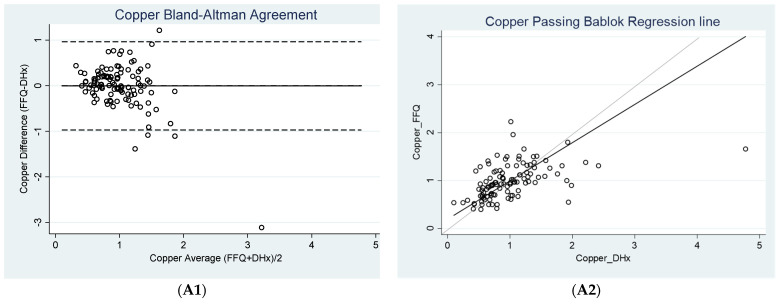
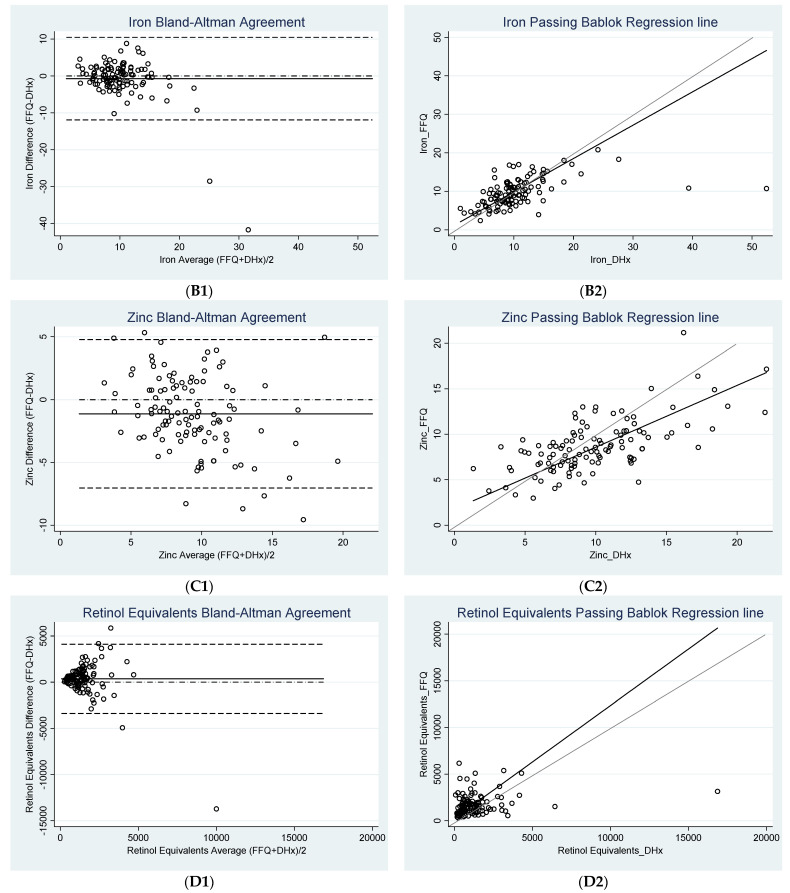
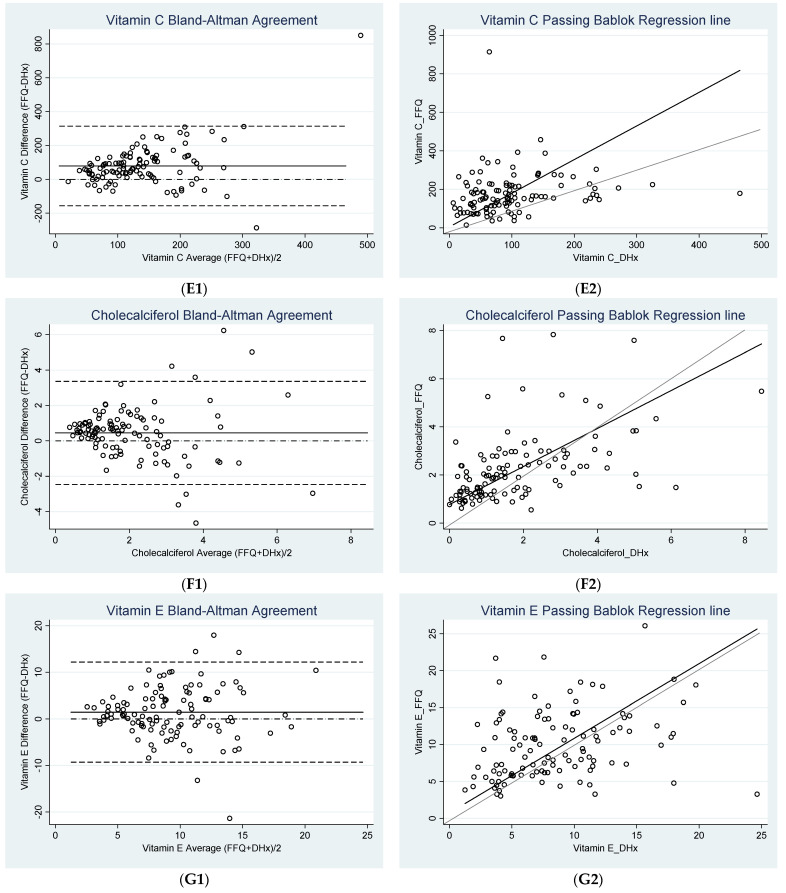
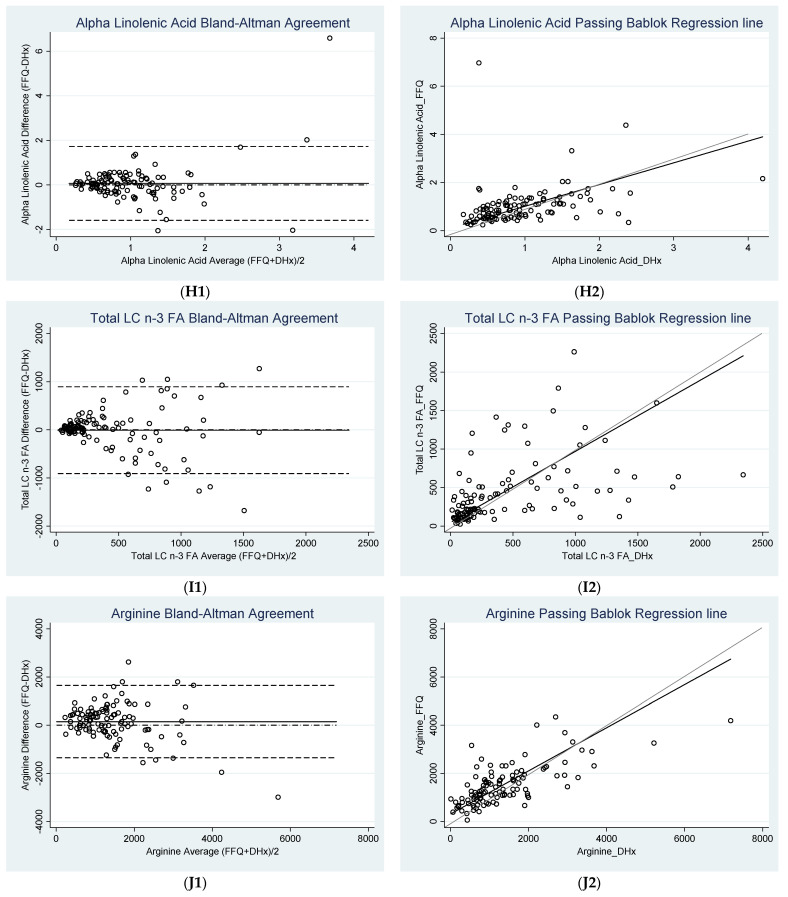
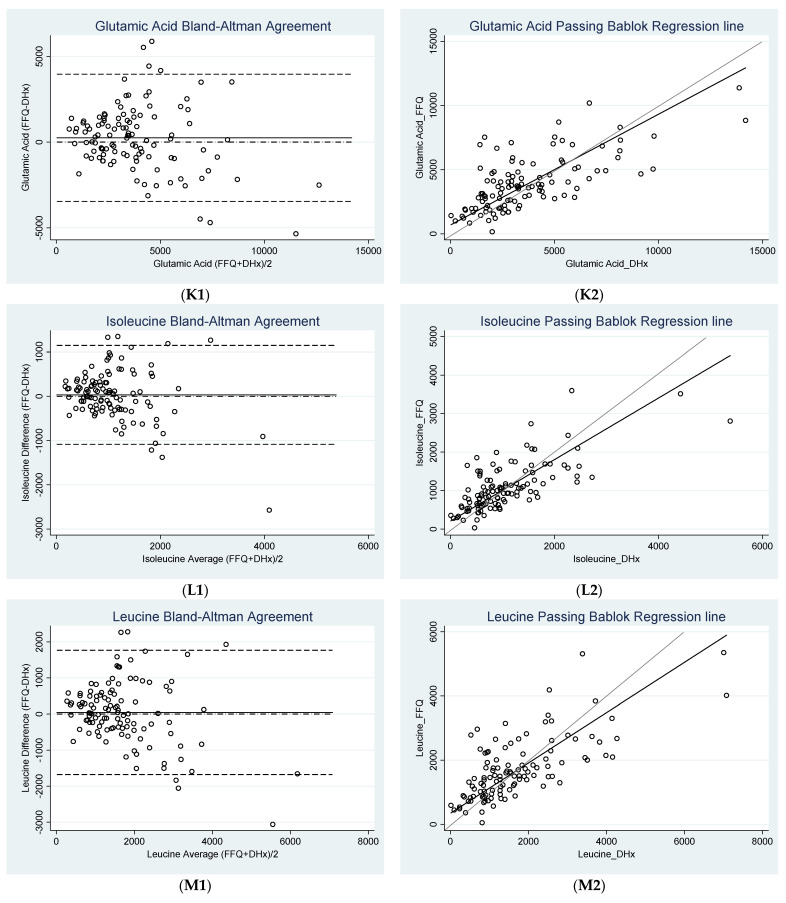
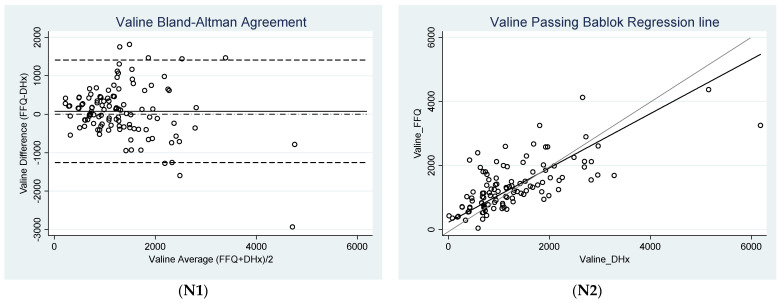
Dietary intake, specifically consumption of anti-inflammatory micronutrients, can play a role in both cancer initiation as well as the treatment-related outcomes experienced by patients receiving systemic cancer therapy. Increasing research is being conducted to determine whether micronutrient supplementation can aid in altering the tumor microenvironment (TME), reducing inflammatory side effects and immune-related adverse events (irAEs). However, further research pertaining to the adequacy of dietary micronutrient intake is indicated in the oncology cohort. Currently, no tool measuring dietary intakes of various micronutrients exists in the oncology population. In this study, a 21-item food frequency questionnaire (FFQ) measuring intakes of 14 different micronutrients was validated using diet history as the reference method in 112 oncology patients. Bland Altman plot and Passing Bablok regression analysis were conducted to determine agreement between the two methods. The results showed adequate agreement between FFQ and diet history for 12 nutrients including copper, iron, vitamins A, E, and D, alpha linolenic acid (ALA), long-chain omega 3 fatty acids (LC n3-FA), arginine, glutamic acid, isoleucine, leucine, and valine. This 21-item FFQ, which takes an average of 10 min to complete, can be utilized as a quick screening tool to determine adequacy for 12 different micronutrients in place of a diet history.
Keywords: FFQ; anti-inflammatory; cancer; chemotherapy; immunotherapy; micronutrients; oncology.
Conflict of interest statement
The authors declare no conflict of interest.
Figures
References
Publication types
MeSH terms
Substances
LinkOut - more resources
Full Text Sources
Medical
