


Ozone as an alternative decontamination process for N95 facemask and biosafety gowns
- PMID: 34963705
- PMCID: PMC8697480
- DOI: 10.1016/j.matlet.2021.131554
Ozone as an alternative decontamination process for N95 facemask and biosafety gowns
Abstract
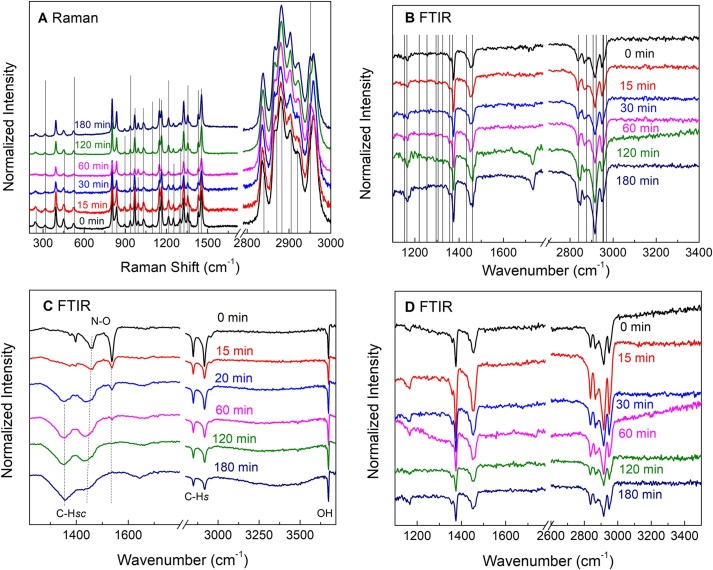
COVID-19 pandemic created a global shortage of medical protective equipment. Here, we considered ozone (O3) a disinfectant alternative due to its potent oxidative activity against biological macromolecules. The O3 decontamination assays were done using SARS-CoV-2 obtained from patients to produce artificial contamination of N95 masks and biosecurity gowns. The quantification of SARS-CoV-2 was performed before and after exposing the samples to different ozone gas concentrations for times between 5 and 30 min. Viral loads as a function of the O3 exposure time were estimated from the data obtained by the RT-PCR technique. The genetic material of the virus was no longer detected for any tested concentrations after 15 min of O3 exposure, which means a disinfection Concentration-Time above 144 ppm min. Vibrational spectroscopies were used to follow the modifications of the polymeric fibers after the O3 treatment. The results indicate that the N95 masks could be safely reused after decontamination with treatments of 15 min at the established O3 doses for a maximum of 6 cycles.
Keywords: COVID-19; Decontamination; Ozone; Ozone, O3; Protective Equipment, PPE; Protective equipment; SARS-CoV-2.
© 2021 Elsevier B.V. All rights reserved.
Conflict of interest statement
The authors declare that they have no known competing financial interests or personal relationships that could have appeared to influence the work reported in this paper.
Figures



References
LinkOut - more resources
Full Text Sources
Miscellaneous