


Hemostatic phenotypes and genetic disorders
- PMID: 34964017
- PMCID: PMC8677882
- DOI: 10.1002/rth2.12637
Hemostatic phenotypes and genetic disorders
Abstract
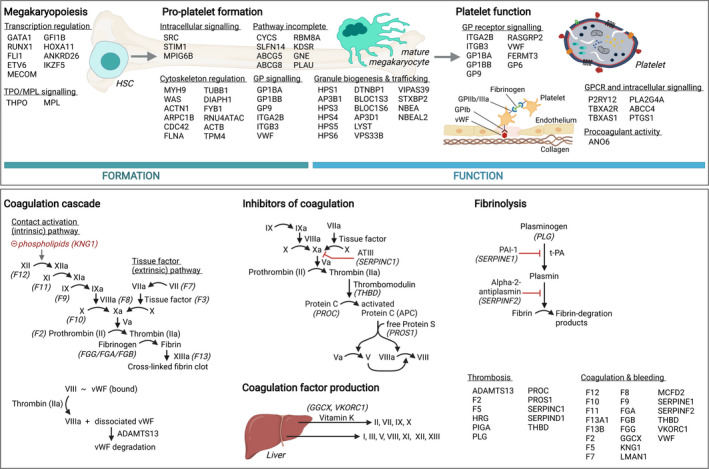
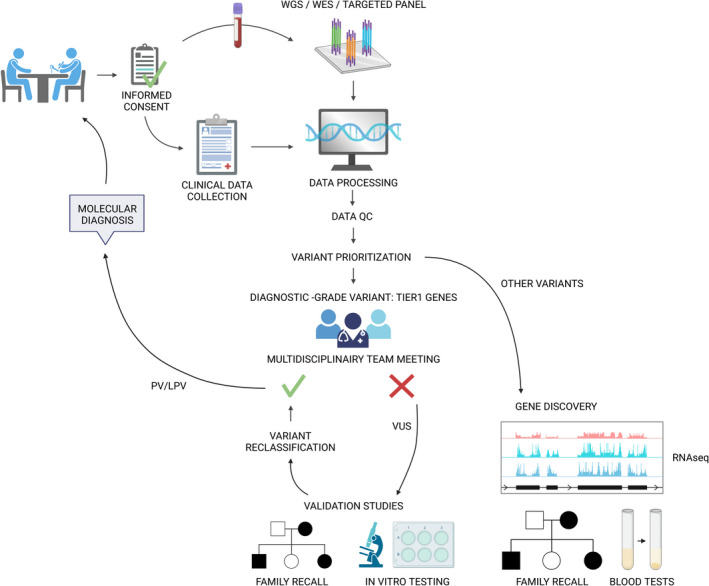
This review is focused on genetic regulators of bleeding and thrombosis with a focus on next-generation sequencing (NGS) technologies for diagnosis and research of patients with inherited disorders. The molecular diagnosis of hemostatic phenotypes relies on the detection of genetic variants in the 99 curated disease-causing genes implicated for bleeding, platelet, and thrombotic disorders through the use of multigene panel tests. In this review, we will provide an overview of the advantages and disadvantages of using such multigene panel tests for diagnostics. During the past decade, NGS technologies have also been used for the gene discovery of 32 novel genes involved in inherited hemostatic phenotypes. We will provide a brief overview of these genes and discuss what information (eg, linkage, consanguinity, multiple index cases with similar phenotypes, mouse models, and more) was used to support the gene discovery process. Next, we provide examples on how RNA sequencing is useful to explore disease mechanisms of novel and often unexpected genes. This review will summarize the important findings concerning NGS technologies for diagnostics and gene discovery that were presented at the ISTH 2021 conference. Finally, future perspectives in our field mainly deal with finding the needle in the haystack for some still unexplained patients and the need for exploring the noncoding gene space and rapid disease validation models.
© 2021 The Authors. Research and Practice in Thrombosis and Haemostasis published by Wiley Periodicals LLC on behalf of International Society on Thrombosis and Haemostasis (ISTH).
Figures
References
-
- Palla R, Peyvandi F, Shapiro AD. Rare bleeding disorders: diagnosis and treatment. Blood. 2015;26(125):2052‐2061. - PubMed
-
- Sivapalaratnam S, Collins J, Gomez K. Diagnosis of inherited bleeding disorders in the genomic era. Br J Haematol. 2017;179:363‐376. - PubMed
-
- Heremans J, Freson K. High‐throughput sequencing for diagnosing platelet disorders: lessons learned from exploring the causes of bleeding disorders. Int J Lab Hematol. 2018;40(suppl 1):89‐96. - PubMed
LinkOut - more resources
Full Text Sources
Miscellaneous
