


Nurses' Experience of Caring for Patients with Delirium: Systematic Review and Qualitative Evidence Synthesis
- PMID: 34968321
- PMCID: PMC8608072
- DOI: 10.3390/nursrep11010016
Nurses' Experience of Caring for Patients with Delirium: Systematic Review and Qualitative Evidence Synthesis
Abstract
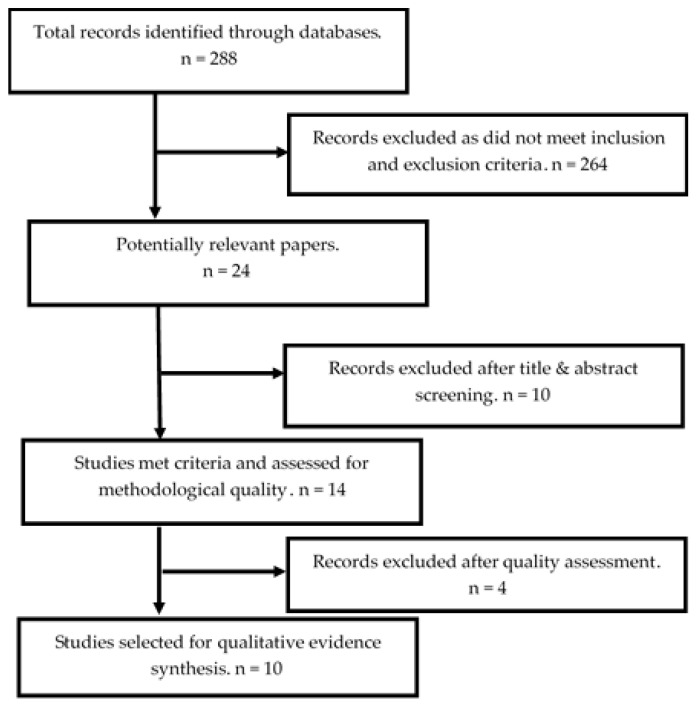
Delirium is an acute deterioration in attention, conscious state, perception, and cognition of a person. While nurses possess the theoretical understanding of the condition, they lack insight into its early recognition and management. This systematic review aims to understand what factors influence nurses as they care for patients with delirium, and to identify best practices to improve overall clinical care. The Qualitative Evidence Synthesis (QES), as a strategy process to identify gaps in research, formulate new models or strategies for care, underpinned the review. In addition to specific inclusion and exclusion criteria, a methodological assessment, data were analysed using QES, as informed by the Joanna Briggs Institute Review process. Ten studies were identified and synthesised to generate four key themes. The themes included (1) nurse's knowledge deficit; (2) increased workload and stress; (3) safety concerns among nurse when caring for patients with delirium; and (4) strategies used when caring for patients with delirium. Overall, the review has highlighted the need for increased delirium education and coping strategies among nurses to effectively care for patients with delirium. This may be augmented through regular education sessions to provide nurses with the confidence and competence to care for the acutely confused person.
Keywords: anxiety; assessment; delirium; education; nurse; patient; peers; stress; support.
Conflict of interest statement
The authors declare no conflict of interest.
References
-
- Docherty E., Mounsey C. Delirium: Suspect it, spot it and stop it. Kai Tiaki Nurs. Res. 2016;22:12–14. - PubMed
-
- Australian Commission on Safety and Quality in Health Care Delirium Care Standard. [(accessed on 2 July 2019)];2016 Available online: https://www.safetyandquality.gov.au/our-work/clinical-care-standards/del...
Publication types
LinkOut - more resources
Full Text Sources
