


An Overview of Soft Tissue Fillers for Cosmetic Dermatology: From Filling to Regenerative Medicine
- PMID: 34992400
- PMCID: PMC8710524
- DOI: 10.2147/CCID.S276676
An Overview of Soft Tissue Fillers for Cosmetic Dermatology: From Filling to Regenerative Medicine
Abstract
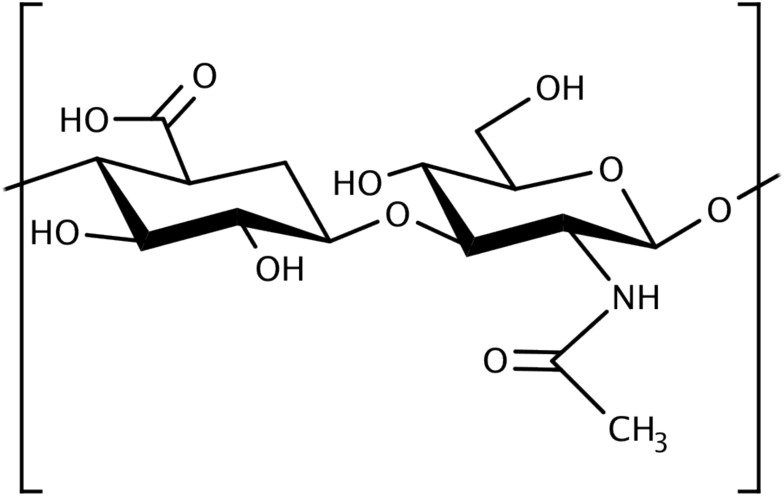
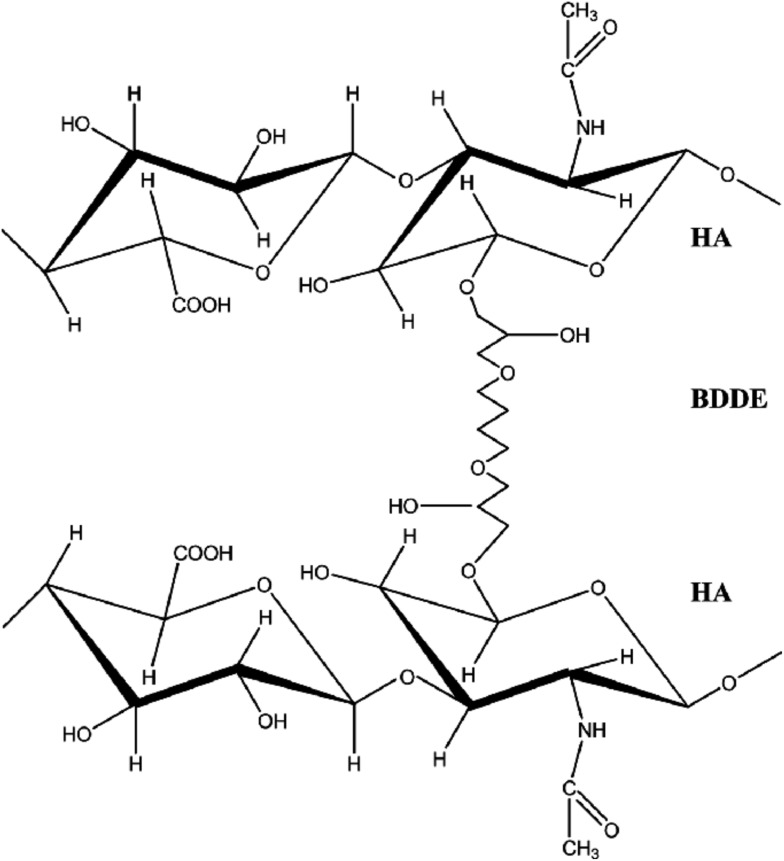
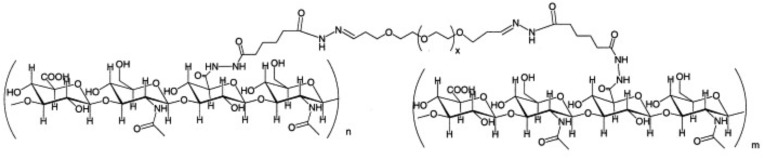
Hyaluronic acid (HA)-based injectable filling agents are at the forefront of the current demand for noninvasive dermatological procedures for the correction of age-related soft tissue defects. The present review aims to summarize currently available HA-based products and critically appraise their differences in rheological nature and clinical application. Linear HA (LHA) gels may be supplemented with amino acids, lipoic acid, vitamins, nucleosides, or minerals for synergistic antiaging and antioxidant benefits (polycomponent LHA). HA hydrogels can be generated via chemical or physical crosslinking, which increases their elasticity and decreases viscosity. The performance of crosslinked fillers depends on HA concentration, degree of crosslinking, elastic modulus, cohesivity, and type of crosslinking agent employed. PEG-crosslinked LHA displays improved elasticity and resistance to degradation, and lower swelling rates as compared to BDDE-crosslinked LHA. Physical crosslinking stabilizes HA hydrogels without employing exogenous chemical compounds or altering hyaluronans' natural molecular structure. Thermally stabilized hybrid cooperative HA complexes (HCC) are a formulation of high- and low-molecular-weight (H-HA and L-HA) hyaluronans, achieving high HA concentration, low viscosity with optimal tissue diffusion, and a duration comparable to weakly cross-linked gel. Our critical analysis evidences the importance of understanding different fillers' properties to assist physicians in selecting the most appropriate filler for specific uses and for predictable and sustainable results.
Keywords: crosslinking; filler; hyaluronic acid; hydrogel.
© 2021 Cassuto et al.
Conflict of interest statement
GB is an employee of IBSA Farmaceutici Italia. Professor Chiara Schiraldi reports non-financial support from Bioteknet, grants from Invitalia-Italian public funding to research and development, outside the submitted work. In addition, Professor Chiara Schiraldi has a patent 10266611 issued to IBSA. The authors report no other conflicts of interest related to this work.
Figures
References
Publication types
LinkOut - more resources
Full Text Sources
