


Successful removal of a thrombus in the setting of SVC syndrome using the INARI FlowTriever device
- PMID: 35003473
- PMCID: PMC8717425
- DOI: 10.1016/j.radcr.2021.12.032
Successful removal of a thrombus in the setting of SVC syndrome using the INARI FlowTriever device
Erratum in
-
Erratum regarding missing patient consent statements in previously published articles.Radiol Case Rep. 2023 Jan 24;18(3):1389-1390. doi: 10.1016/j.radcr.2023.01.014. eCollection 2023 Mar. Radiol Case Rep. 2023. PMID: 36818993 Free PMC article.
Abstract
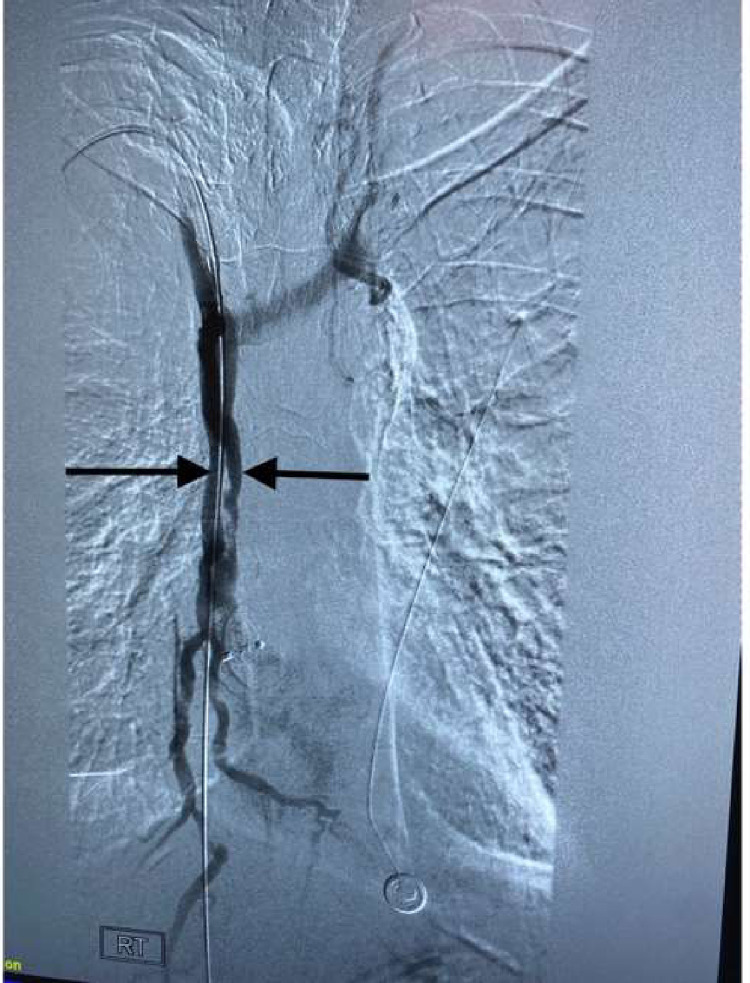
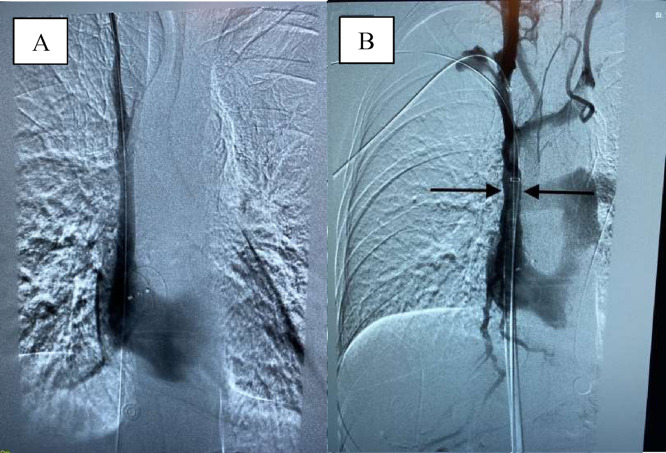
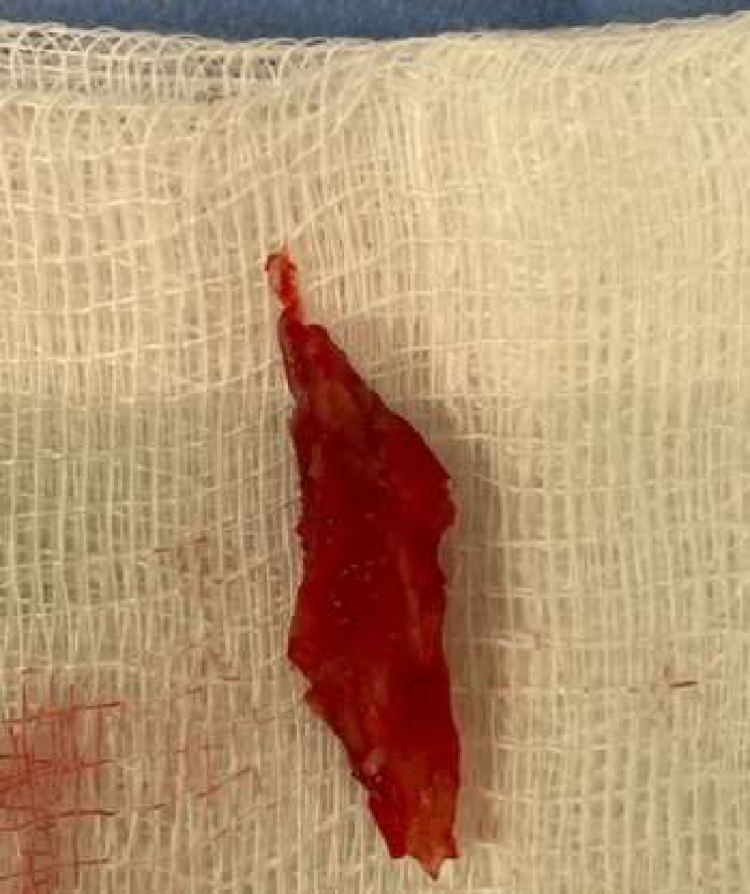
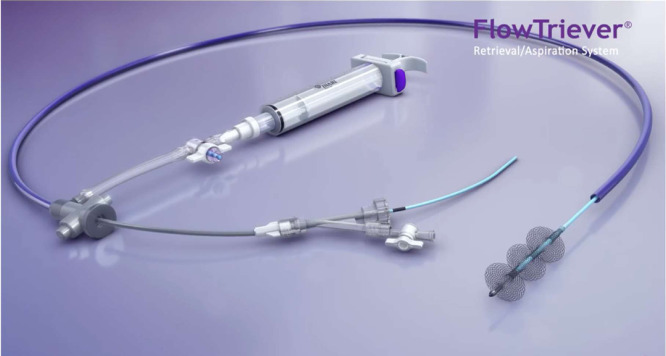
This case report describes a 56-year-old female who presented to the emergency department with diffuse facial and bilateral upper extremity swelling. The patient has a past medical history of Superior vena cava (SVC) syndrome secondary to a clot around her port-a-cath, adenocarcinoma of the lungs status post chemotherapy and radiation, hyperlipidemia, rheumatoid arthritis, diverticulitis status post colon resection, and hypothyroidism. Imaging confirmed the presence of a thrombus obstructing the SVC, likely due to her hypercoagulable state. This case report details the successful removal of a thrombus using the FlowTriever device by INARI in a patient with SVC syndrome. Although indicated for treatment of PE, FlowTriever has shown success in other conditions and nearly eliminates the risk of bleeding without the need for administering thrombolytics, as explained below in the setting of SVC syndrome.
Keywords: ClotTriever; FlowTriever; INARI; Mechanical thrombectomy; Pulmonary embolism; SVC syndrome; Thrombolytics.
Published by Elsevier Inc. on behalf of University of Washington.
Figures
References
-
- Seligson MT, Surowiec SM. Superior Vena Cava Syndrome. [Updated 2021 Jul 13]. In: StatPearls [Internet]. Treasure Island (FL): StatPearls Publishing; 2021. Available from: https://www.ncbi.nlm.nih.gov/books/NBK441981/ - PubMed
Publication types
LinkOut - more resources
Full Text Sources
Miscellaneous
