


Integrated Transcriptome and Metabolome Analysis Reveals Key Metabolites Involved in Camellia oleifera Defense against Anthracnose
- PMID: 35008957
- PMCID: PMC8745097
- DOI: 10.3390/ijms23010536
Integrated Transcriptome and Metabolome Analysis Reveals Key Metabolites Involved in Camellia oleifera Defense against Anthracnose
Abstract
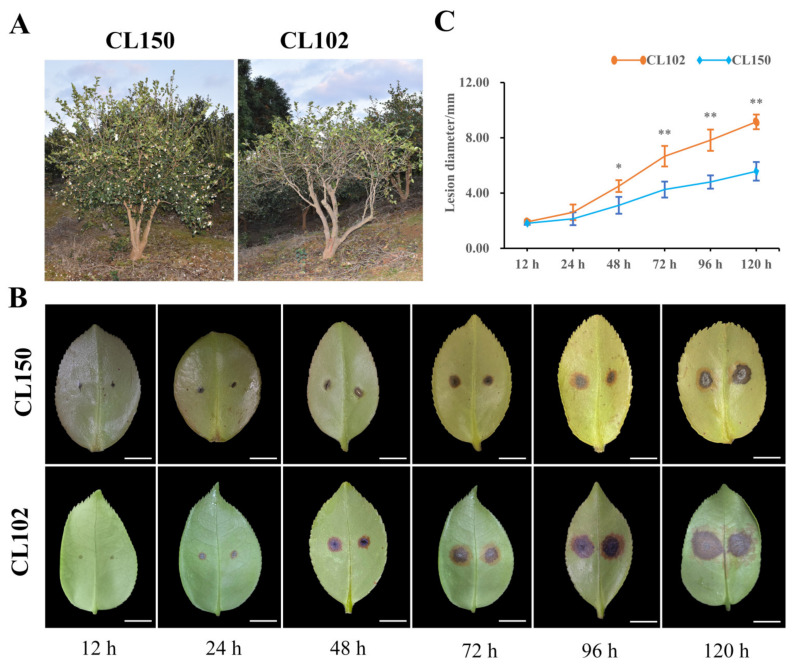
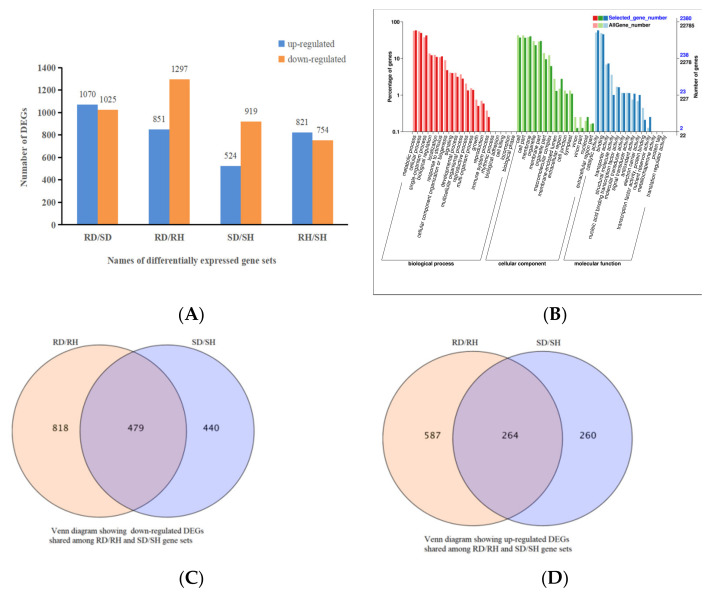
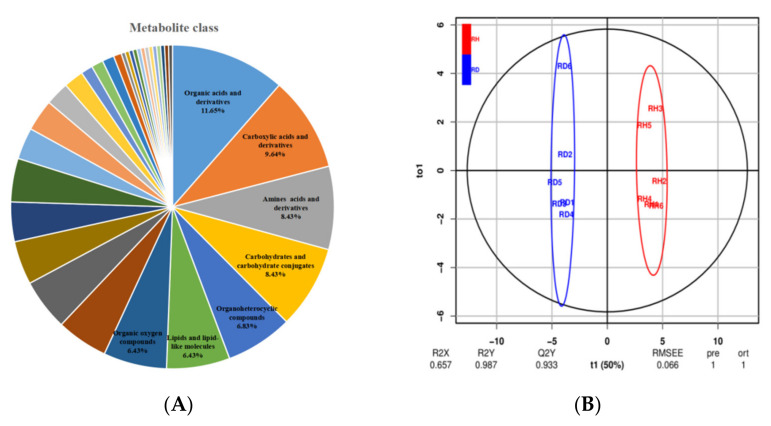
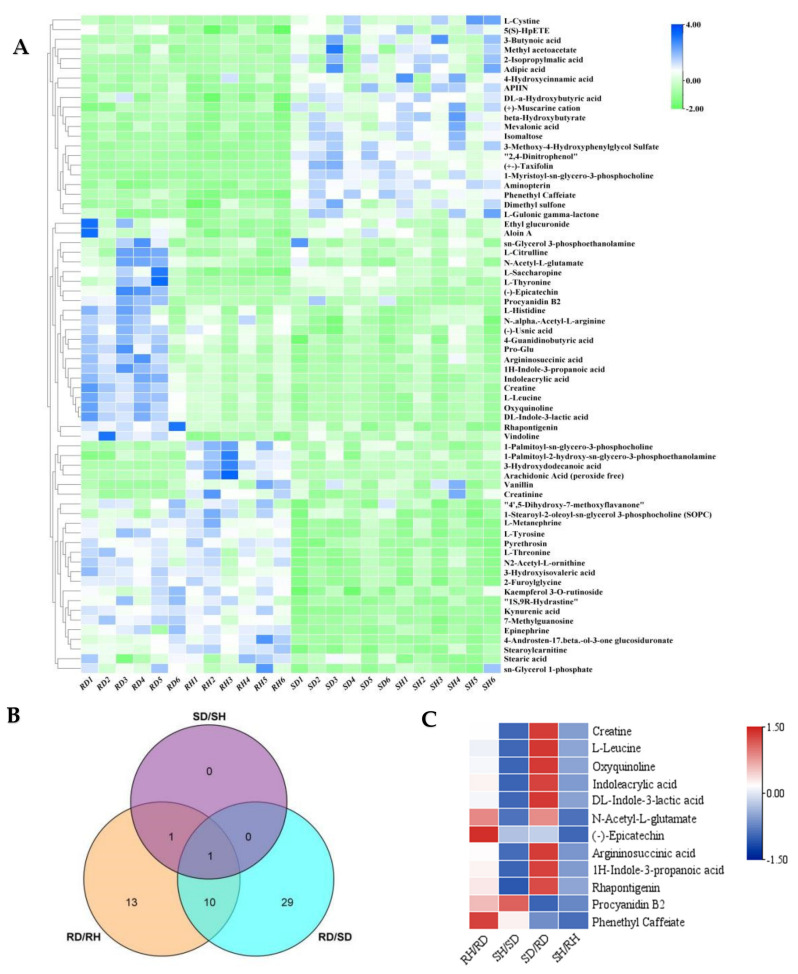
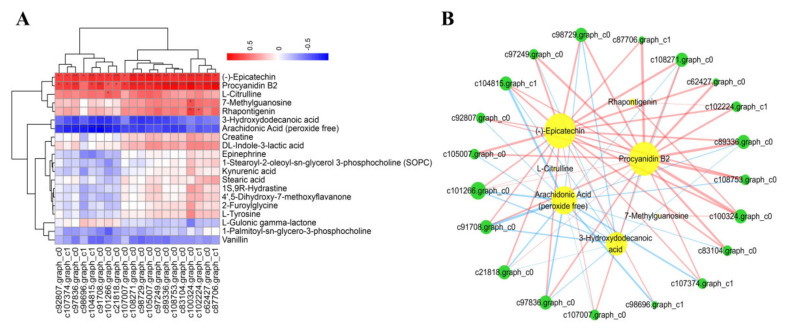
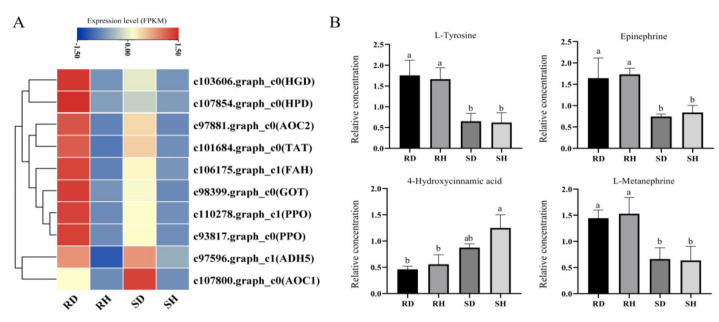
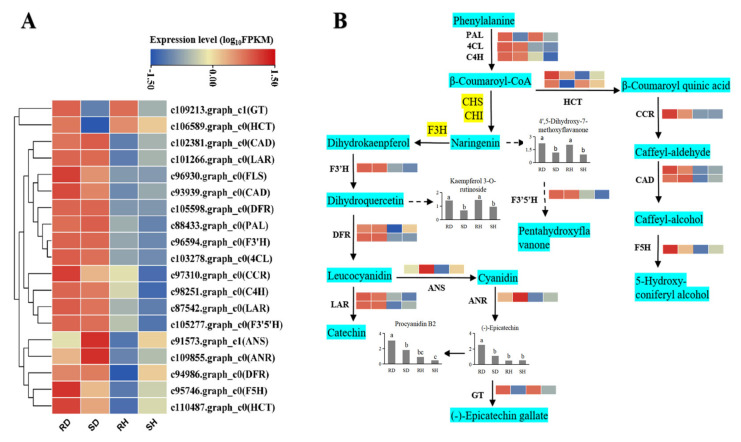
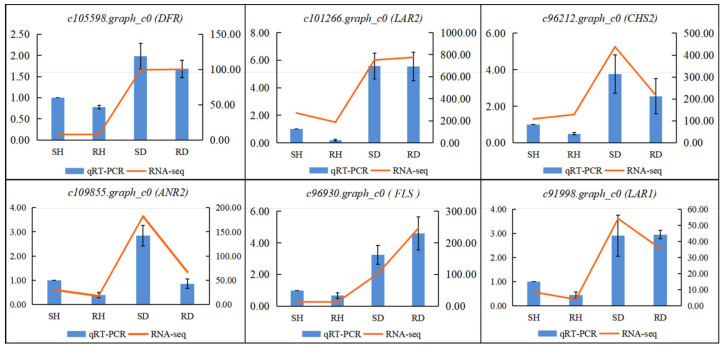
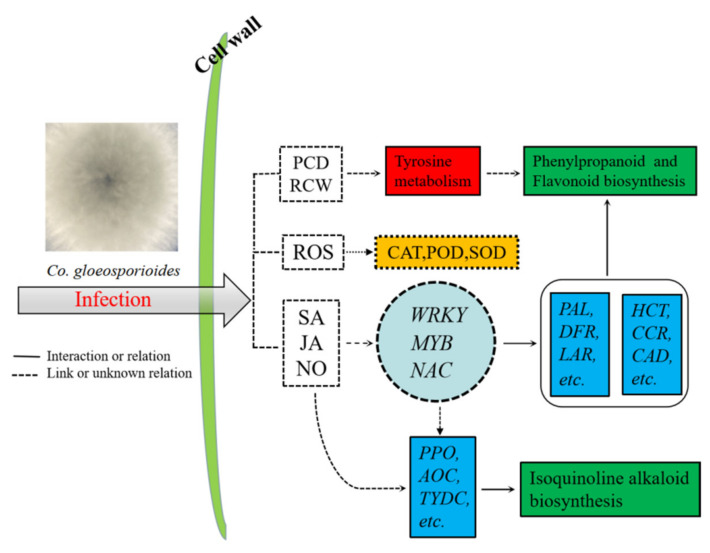
Camellia oleifera (Ca. oleifera) is a woody tree species cultivated for the production of edible oil from its seed. The growth and yield of tea-oil trees are severely affected by anthracnose (caused by Colletotrichum gloeosporioides). In this study, the transcriptomic and metabolomic analyses were performed to detect the key transcripts and metabolites associated with differences in the susceptibility between anthracnose-resistant (ChangLin150) and susceptible (ChangLin102) varieties of Ca. oleifera. In total, 5001 differentially expressed genes (DEGs) were obtained, of which 479 DEGs were common between the susceptible and resistant varieties and further analyzed. KEGG enrichment analysis showed that these DEGs were significantly enriched in tyrosine metabolism, phenylpropanoid biosynthesis, flavonoid biosynthesis and isoquinoline alkaloid biosynthesis pathways. Furthermore, 68 differentially accumulated metabolites (DAMs) were detected, including flavonoids, such as epicatechin, phenethyl caffeate and procyanidin B2. Comparison of the DEGs and DAMs revealed that epicatechin, procyanidin B2 and arachidonic acid (peroxide free) are potentially important. The expression patterns of genes involved in flavonoid biosynthesis were confirmed by qRT-PCR. These results suggested that flavonoid biosynthesis might play an important role in the fight against anthracnose. This study provides valuable molecular information about the response of Ca. oleifera to Co. gloeosporioides infection and will aid the selection of resistant varieties using marker-assisted breeding.
Keywords: Camellia oleifera; Colletotrichum gloeosporioides; anthracnose; flavonoid biosynthesis; metabolome; transcriptome.
Conflict of interest statement
The authors declare no conflict of interest.
Figures
References
-
- Gao C., Yuan D., Yang Y., Wang B., Liu D., Zou F. Pollen Tube Growth and Double Fertilization in Camellia oleifera. J. Am. Soc. Hortic. Sci. 2015;140:12–18. doi: 10.21273/JASHS.140.1.12. - DOI
-
- Li Z., Tan X., Liu Z., Lin Q., Zhang L., Yuan J., Zeng Y., Wu L. In Vitro Propagation of Camellia oleifera Abel. Using Hypocotyl, Cotyledonary Node, and Radicle Explants. HortScience. 2016;51:416–421. doi: 10.21273/HORTSCI.51.4.416. - DOI
-
- Ye Z., Yu J., Yan W., Zhang J., Yang D., Yao G., Liu Z., Wu Y., Hou X. Integrative iTRAQ-based proteomic and transcriptomic analysis reveals the accumulation patterns of key metabolites associated with oil quality during seed ripening of Camellia oleifera. Hortic. Res. 2021;8:1–26. doi: 10.1038/s41438-021-00591-2. - DOI - PMC - PubMed
MeSH terms
Substances
Grants and funding
LinkOut - more resources
Full Text Sources
