


Innovative Extraction Technologies for Development of Functional Ingredients Based on Polyphenols from Olive Leaves
- PMID: 35010227
- PMCID: PMC8750173
- DOI: 10.3390/foods11010103
Innovative Extraction Technologies for Development of Functional Ingredients Based on Polyphenols from Olive Leaves
Abstract
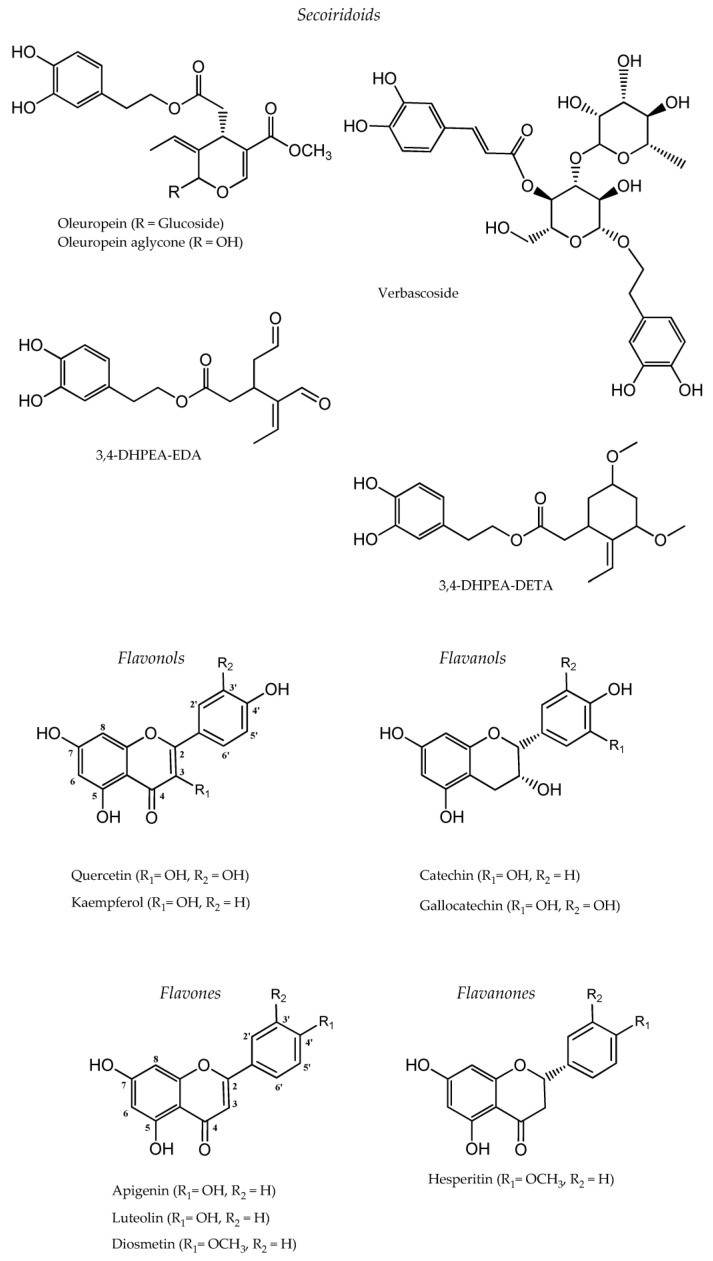
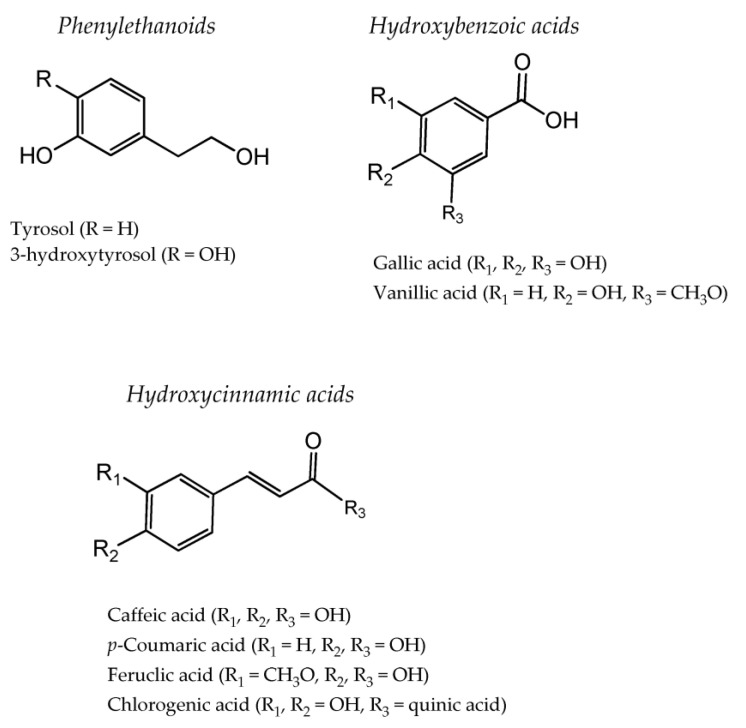
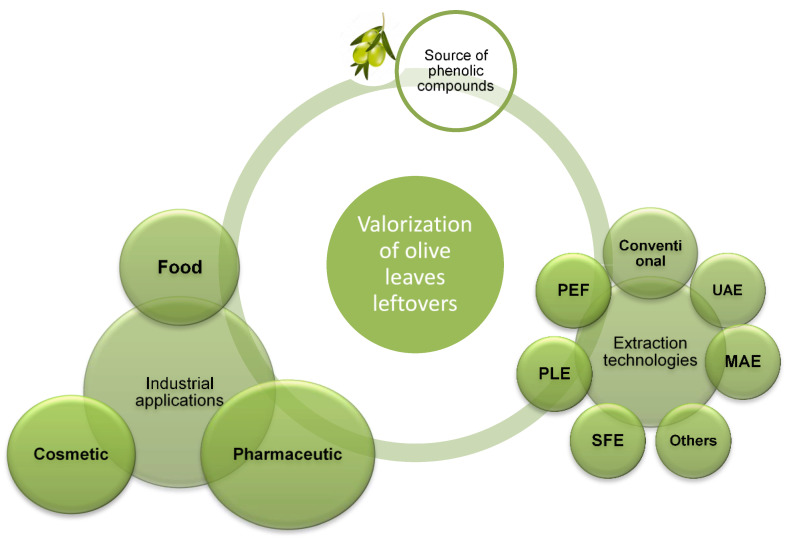
Olive tree (Olea europea L.) leaves represent around 10% of the total weight of olives arriving at any given mill, which are generally discarded, causing economic and environmental issues. However, these are rich sources of natural bioactive compounds (i.e., polyphenols), which have health-promoting potential. Thus, the valorization of olive leaves by recovering and reusing their components should be a must for food sustainability and circular economy. This review provides an insight into the principal polyphenols present in olive leaves, together with agronomic variables influencing their content. It also summarizes the recent advances in the application of novel extraction technologies that have shown promising extraction efficacy, reducing the volume of extraction solvent and saving time and cost. Moreover, potential industrial uses and international patents filed in the pharmaceutic, food, and cosmetic sectors are discussed.
Keywords: biophenols; energy saving; green technologies; industrial waste; secoiridoids.
Conflict of interest statement
The authors declare no conflict of interest.
Figures
References
-
- Food and Agriculture Organization Faostat . Food and Agriculture Data. Food and Agriculture Organization; Rome, Italy: 2017. [(accessed on 22 September 2021)]. Available online: http://www.fao.org/faostat/en/#home.
-
- Contreras M.D.M., Lama-Muñoz A., Gutiérrez-Pérez J.M., Espínola F., Moya M., Romero I., Castro E. Integrated process for sequential extraction of bioactive phenolic compounds and proteins from mill and field olive leaves and effects on the lignocellulosic profile. Foods. 2019;8:513. doi: 10.3390/foods8110531. - DOI - PMC - PubMed
-
- Ruiz E., Romero-García J.M., Romero I., Manzanares P., Negro M.J. Olive derived biomass as a source of energy and chemicals. Biofuel Bioprod. Biorefin. 2017;11:1077–1094. doi: 10.1002/bbb.1812. - DOI
Publication types
Grants and funding
LinkOut - more resources
Full Text Sources
Other Literature Sources
