


Effect of Physical Activity, Smoking, and Sleep on Telomere Length: A Systematic Review of Observational and Intervention Studies
- PMID: 35011817
- PMCID: PMC8745211
- DOI: 10.3390/jcm11010076
Effect of Physical Activity, Smoking, and Sleep on Telomere Length: A Systematic Review of Observational and Intervention Studies
Abstract
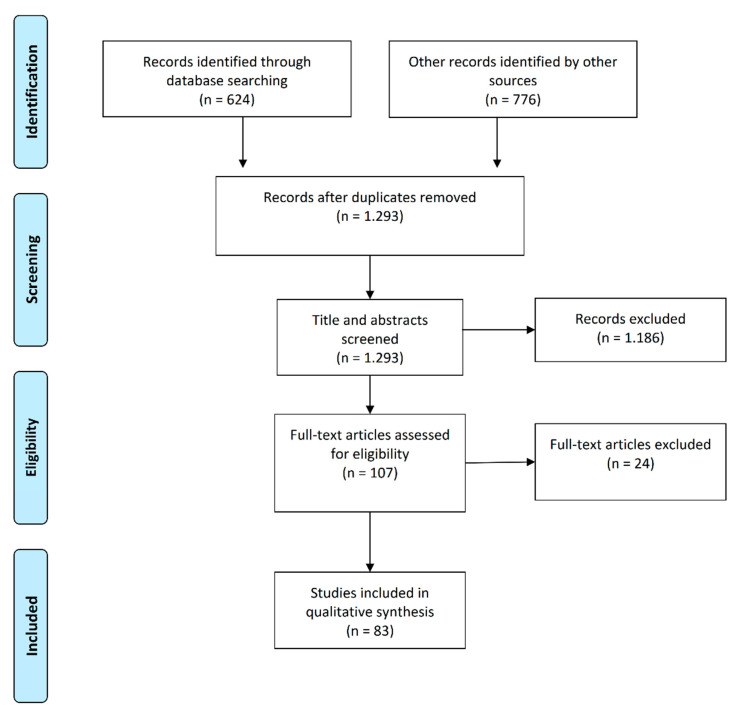
Aging is a risk factor for several pathologies, restricting one's health span, and promoting chronic diseases (e.g., cardiovascular and neurodegenerative diseases), as well as cancer. Telomeres are regions of repetitive DNA located at chromosomal ends. Telomere length has been inversely associated with chronological age and has been considered, for a long time, a good biomarker of aging. Several lifestyle factors have been linked with telomere shortening or maintenance. However, the consistency of results is hampered by some methodological issues, including study design, sample size, measurement approaches, and population characteristics, among others. Therefore, we aimed to systematically review the current literature on the effects of three relevant lifestyle factors on telomere length in human adults: physical activity, smoking, and sleep. We conducted a qualitative systematic review of observational and intervention studies using the Preferred Reporting Item for Systematic Reviews and Meta-Analysis (PRISMA) guidelines. The systematic literature search covered articles published in MEDLINE and EMBASE databases (from 2010 to 2020). A total of 1400 studies were identified; 83 were included after quality control. Although fewer sedentary activities, optimal sleep habits, and non- or ex-smoker status have been associated with less telomere shortening, several methodological issues were detected, including the need for more targeted interventions and standardized protocols to better understand how physical activity and sleep can impact telomere length and aging. We discuss the main findings and current limitations to gain more insights into the influence of these lifestyle factors on the healthy aging process.
Keywords: aging; exercise; lifestyle; physical activity; sleep; smoking; telomere length; tobacco.
Conflict of interest statement
The authors declare no conflict of interest.
Figures
References
-
- Johnson N.B., Hayes L.D., Brown K., Hoo E.C., Ethier K.A., Centers for Disease Control and Prevention (CDC) CDC National Health Report: Leading causes of morbidity and mortality and associated behavioral risk and protective factors—United States, 2005–2013. MMWR Suppl. 2014;63:3–27. - PubMed
Publication types
Grants and funding
- PROMETEO 17/2017/Conselleria de Innovación, Universidades, Ciencia y Sociedad Digital, Generalitat Valenciana
- APOSTD/2019/136/Conselleria de Innovación, Universidades, Ciencia y Sociedad Digital, Generalitat Valenciana
- PI19/00781/Spanish Ministry of Health (Instituto de Salud Carlos III) and the Ministerio de Economía y Competitividad-Fondo Europeo de Desarrollo Regional (FEDER)
- SAF2016-80532-R/Spanish Ministry of Health (Instituto de Salud Carlos III) and the Ministerio de Economía y Competitividad-Fondo Europeo de Desarrollo Regional (FEDER)
- PID2019-108858RB-I00/Spanish Ministry of Health (Instituto de Salud Carlos III) and the Ministerio de Economía y Competitividad-Fondo Europeo de Desarrollo Regional (FEDER)
LinkOut - more resources
Full Text Sources
Other Literature Sources
