


A scaffold-level genome assembly of a minute pirate bug, Orius laevigatus (Hemiptera: Anthocoridae), and a comparative analysis of insecticide resistance-related gene families with hemipteran crop pests
- PMID: 35012450
- PMCID: PMC8751118
- DOI: 10.1186/s12864-021-08249-y
A scaffold-level genome assembly of a minute pirate bug, Orius laevigatus (Hemiptera: Anthocoridae), and a comparative analysis of insecticide resistance-related gene families with hemipteran crop pests
Abstract
Background: Orius laevigatus, a minute pirate bug, is a highly effective beneficial predator of crop pests including aphids, spider mites and thrips in integrated pest management (IPM) programmes. No genomic information is currently available for O. laevigatus, as is the case for the majority of beneficial predators which feed on crop pests. In contrast, genomic information for crop pests is far more readily available. The lack of publicly available genomes for beneficial predators to date has limited our ability to perform comparative analyses of genes encoding potential insecticide resistance mechanisms between crop pests and their predators. These mechanisms include several gene/protein families including cytochrome P450s (P450s), ATP binding cassette transporters (ABCs), glutathione S-transferases (GSTs), UDP-glucosyltransferases (UGTs) and carboxyl/cholinesterases (CCEs).
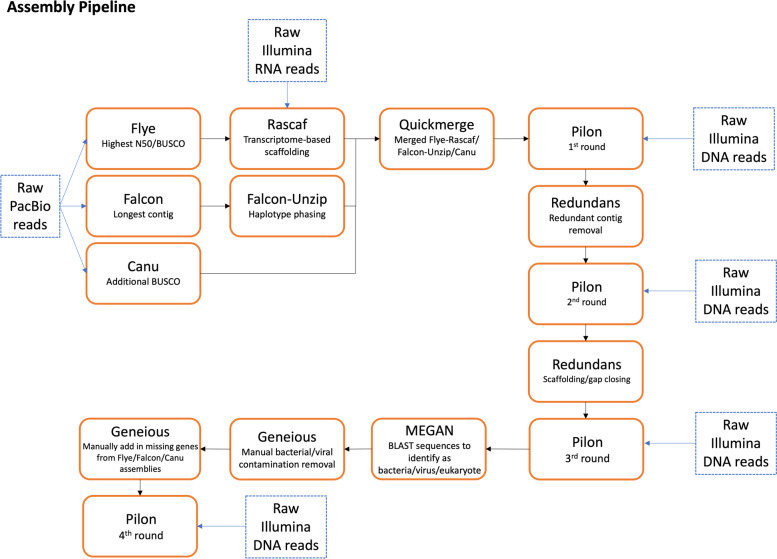
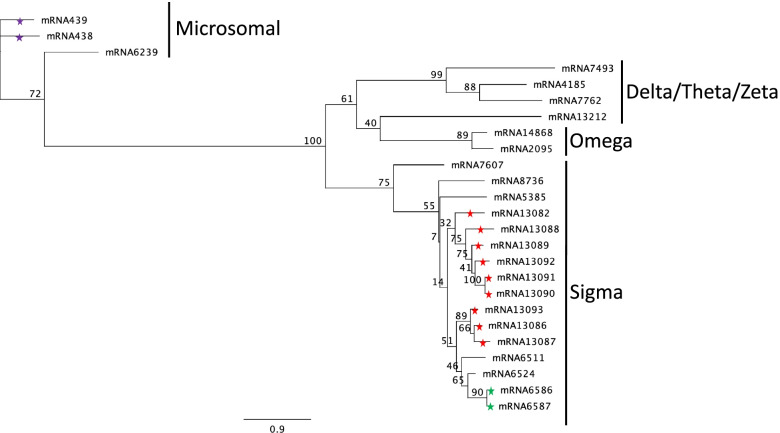
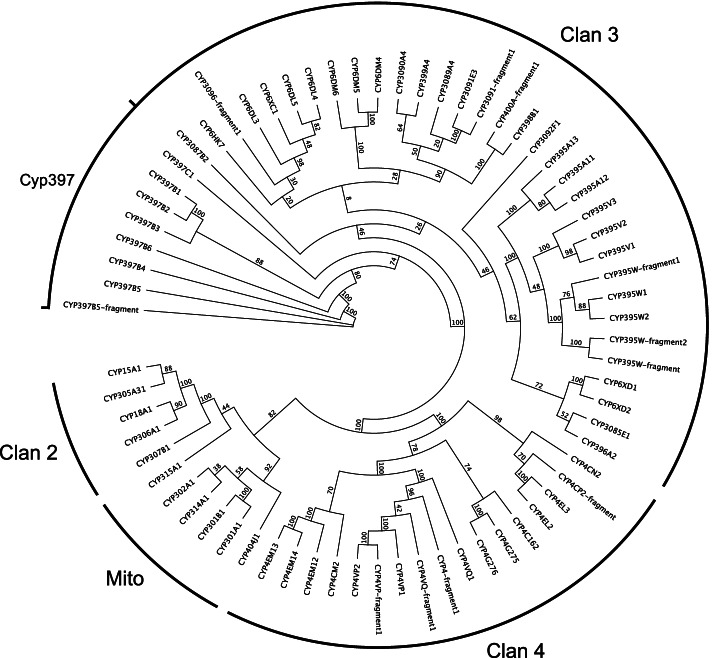
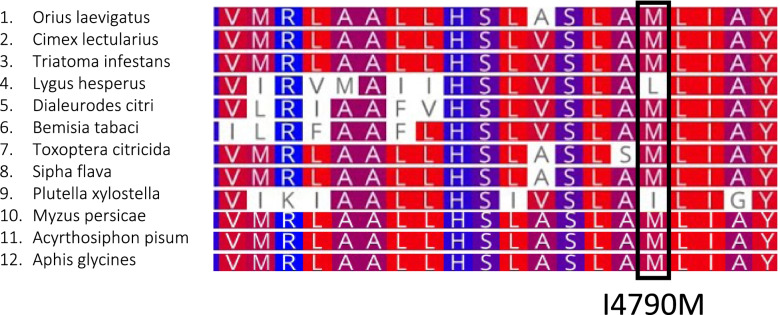
Methods and findings: In this study, a high-quality scaffold level de novo genome assembly for O. laevigatus has been generated using a hybrid approach with PacBio long-read and Illumina short-read data. The final assembly achieved a scaffold N50 of 125,649 bp and a total genome size of 150.98 Mb. The genome assembly achieved a level of completeness of 93.6% using a set of 1658 core insect genes present as full-length genes. Genome annotation identified 15,102 protein-coding genes - 87% of which were assigned a putative function. Comparative analyses revealed gene expansions of sigma class GSTs and CYP3 P450s. Conversely the UGT gene family showed limited expansion. Differences were seen in the distributions of resistance-associated gene families at the subfamily level between O. laevigatus and some of its targeted crop pests. A target site mutation in ryanodine receptors (I4790M, PxRyR) which has strong links to diamide resistance in crop pests and had previously only been identified in lepidopteran species was found to also be present in hemipteran species, including O. laevigatus.
Conclusion and significance: This assembly is the first published genome for the Anthocoridae family and will serve as a useful resource for further research into target-site selectivity issues and potential resistance mechanisms in beneficial predators. Furthermore, the expansion of gene families often linked to insecticide resistance may be an indicator of the capacity of this predator to detoxify selective insecticides. These findings could be exploited by targeted pesticide screens and functional studies to increase effectiveness of IPM strategies, which aim to increase crop yields by sustainably, environmentally-friendly and effectively control pests without impacting beneficial predator populations.
Keywords: Beneficial predator; Comparative genomics; Crop pests; Hemiptera; Illumina; Insecticide resistance; Orius laevigatus; PacBio; Pirate bug; Whole genome sequencing.
© 2022. The Author(s).
Conflict of interest statement
The authors declare that they have no competing interests.
Figures
References
-
- Oerke E-C. Crop losses to pests. J Agric Sci. 2006;144:31–43.
-
- Geiger F, Bengtsson J, Berendse F, Weisser WW, Emmerson M, Morales MB, et al. Persistent negative effects of pesticides on biodiversity and biological control potential on European farmland. Basic Appl Ecol. 2010;11:97–105.
-
- Bottrell DG, Schoenly KG. Resurrecting the ghost of green revolutions past: the brown planthopper as a recurring threat to high-yielding rice production in tropical Asia. J Asia Pac Entomol. 2012;15:122–140.
-
- Debach P, Rosen D. Biological control by natural enemies (second edition) J Trop Ecol. 1992;8:216–216.
-
- Hernandez LM. A review of the economically important species of the genus Orius (Heteroptera: Anthocoridae) in East Africa. J Nat Hist. 1999;33:543–568. doi: 10.1080/002229399300245.. - DOI
MeSH terms
Substances
LinkOut - more resources
Full Text Sources
Miscellaneous
