


Cassini Exploration of the Planet Saturn: A Comprehensive Review
- PMID: 35027776
- PMCID: PMC8753610
- DOI: 10.1007/s11214-020-00751-1
Cassini Exploration of the Planet Saturn: A Comprehensive Review
Abstract
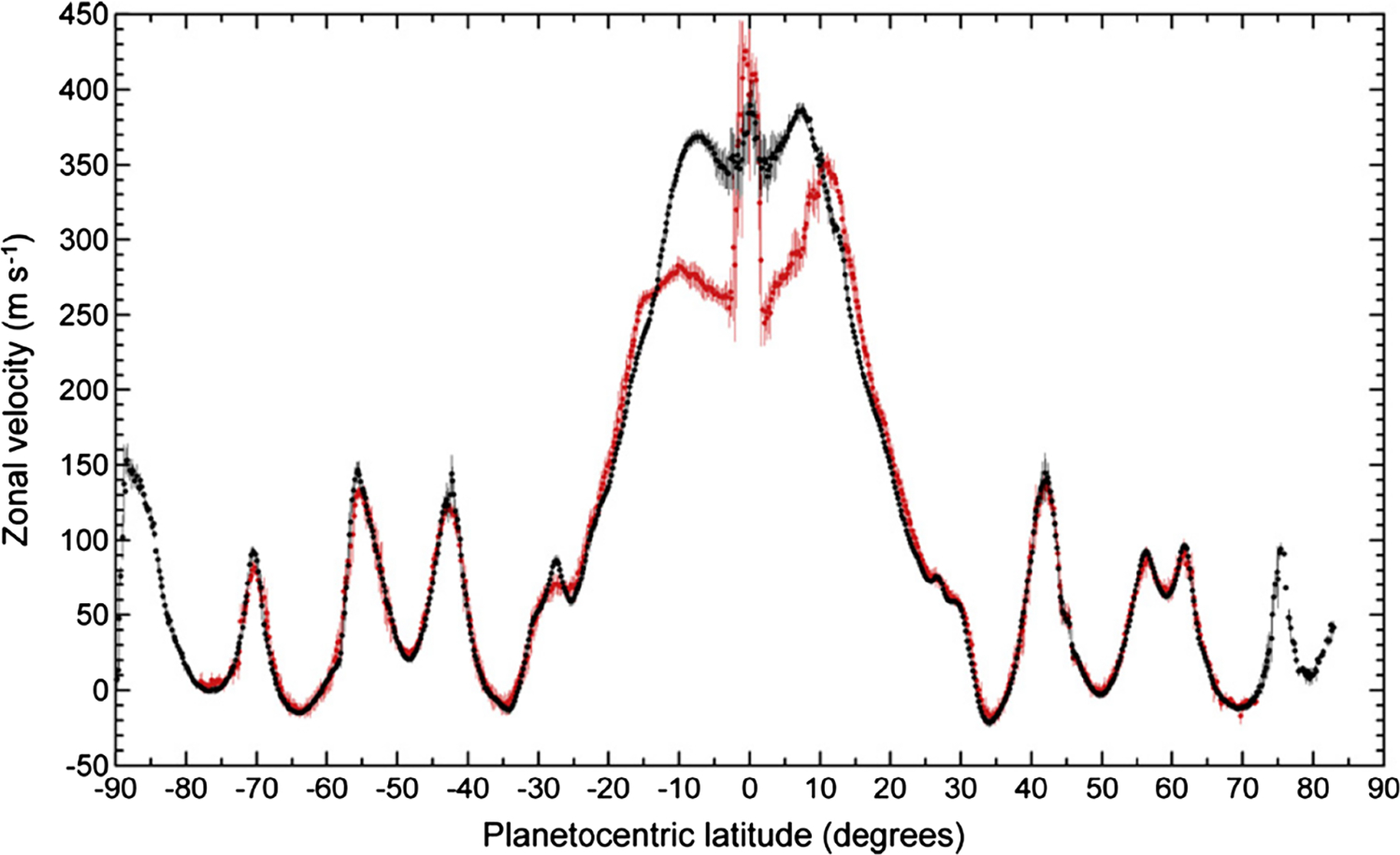
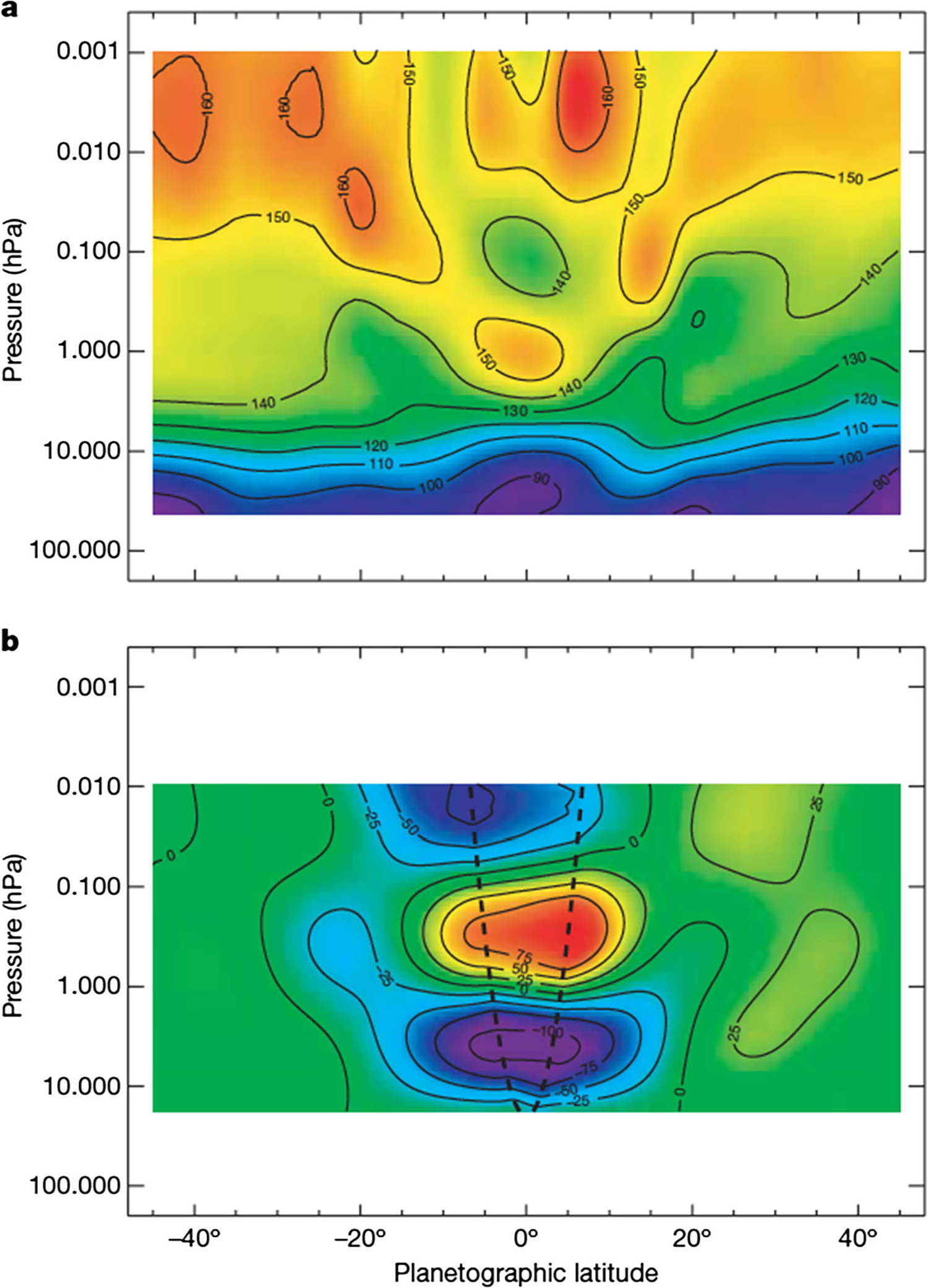
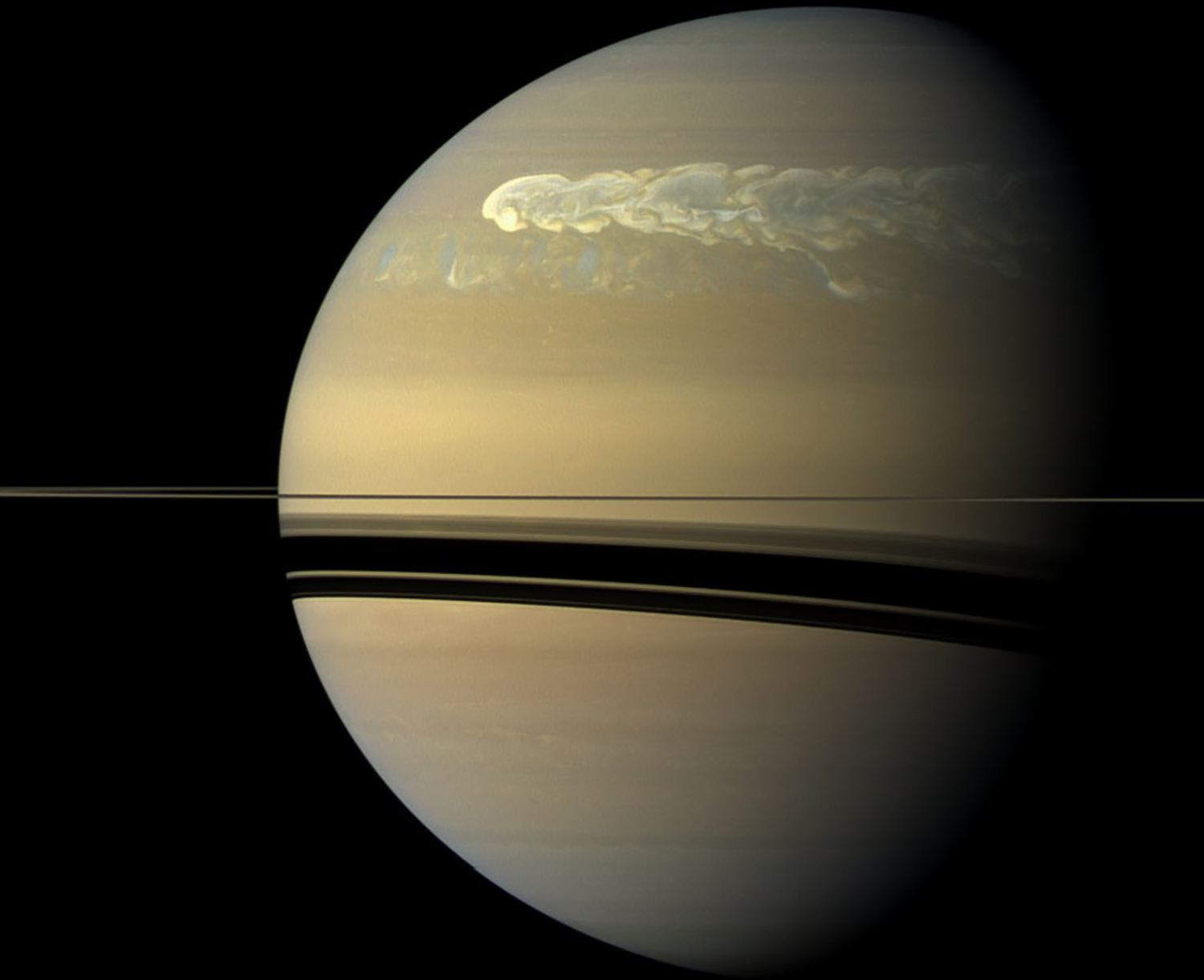
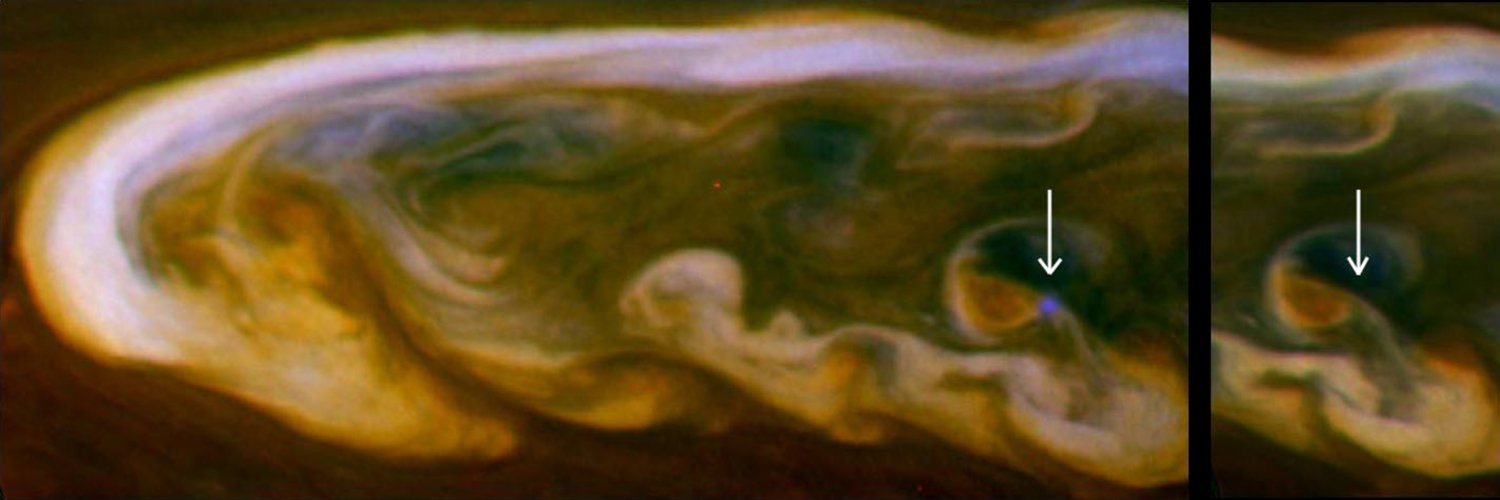
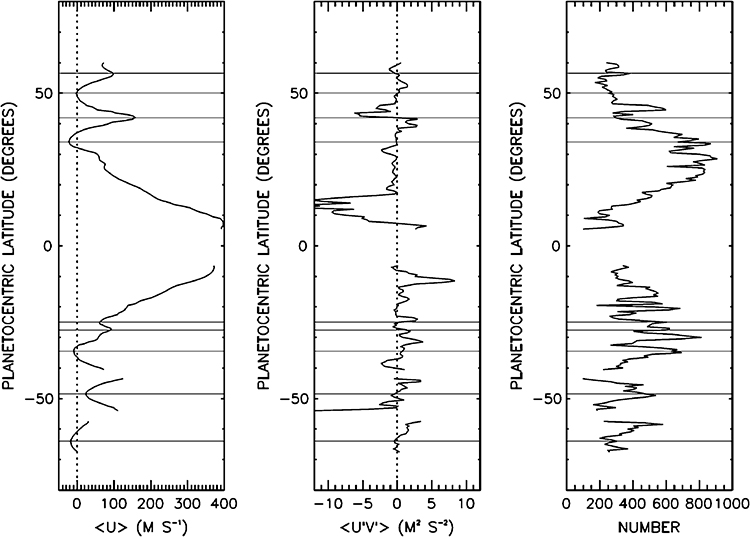
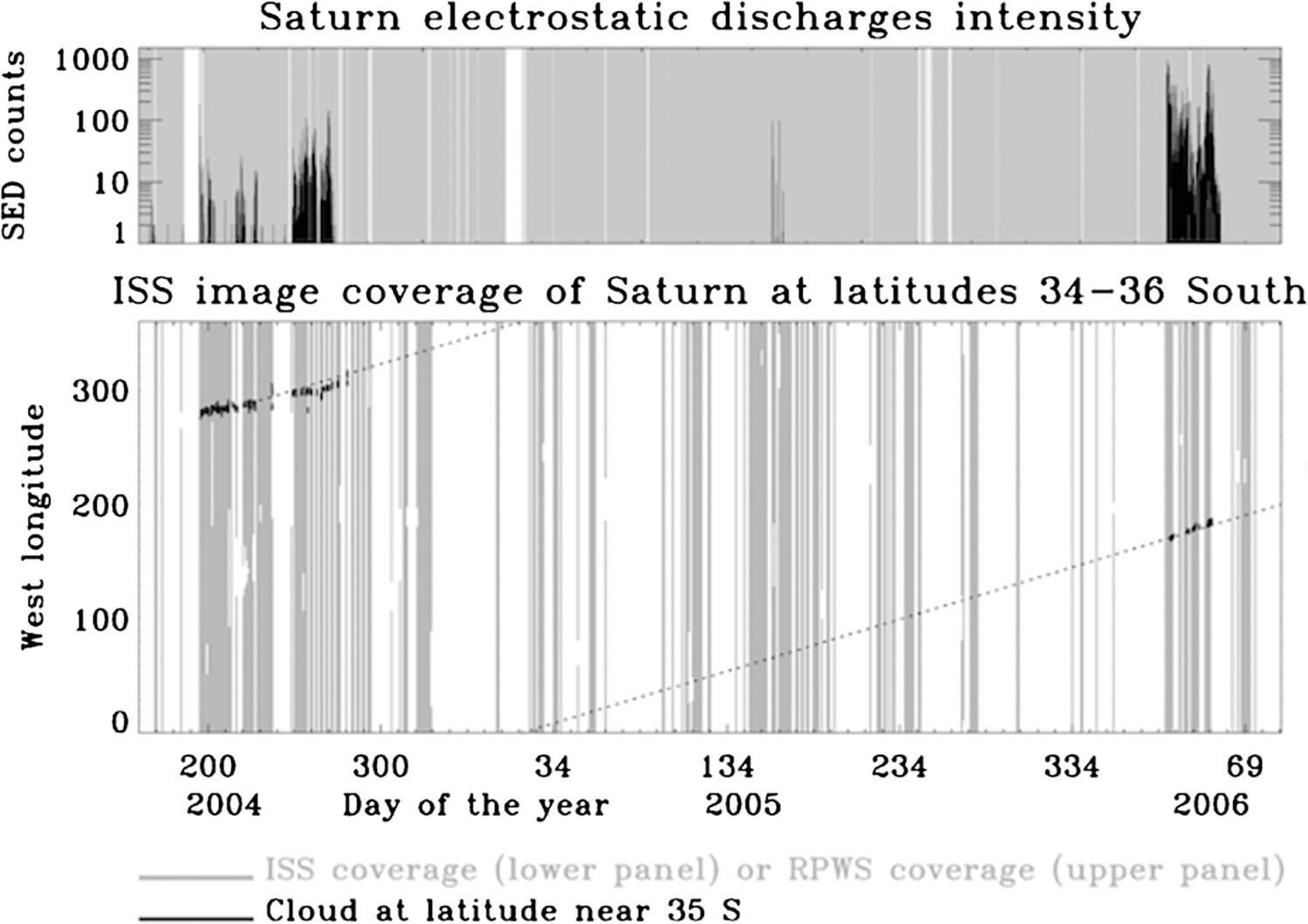
Before Cassini, scientists viewed Saturn's unique features only from Earth and from three spacecraft flying by. During more than a decade orbiting the gas giant, Cassini studied the planet from its interior to the top of the atmosphere. It observed the changing seasons, provided up-close observations of Saturn's exotic storms and jet streams, and heard Saturn's lightning, which cannot be detected from Earth. During the Grand Finale orbits, it dove through the gap between the planet and its rings and gathered valuable data on Saturn's interior structure and rotation. Key discoveries and events include: watching the eruption of a planet-encircling storm, which is a 20- or 30-year event, detection of gravity perturbations from winds 9000 km below the tops of the clouds, demonstration that eddies are supplying energy to the zonal jets, which are remarkably steady over the 25-year interval since the Voyager encounters, re-discovery of the north polar hexagon after 25 years, determination of elemental abundance ratios He/H, C/H, N/H, P/H, and As/H, which are clues to planet formation and evolution, characterization of the semiannual oscillation of the equatorial stratosphere, documentation of the mysteriously high temperatures of the thermosphere outside the auroral zone, and seeing the strange intermittency of lightning, which typically ceases to exist on the planet between outbursts every 1-2 years. These results and results from the Jupiter flyby are all discussed in this review.
Keywords: Atmosphere; Cassini; Giant planet; Interior; Jupiter; Saturn.
Conflict of interest statement
Conflict of interest None.
Figures
References
-
- Abbas MM, LeClair A, Owen T, Conrath BJ, Flasar FM, Kunde VG et al., The nitrogen isotopic ratio in Jupiter’s atmosphere from observations by the Composite Infrared Spectrometer on the Cassini spacecraft. Astrophys. J. 602, 1063–1074 (2004). 10.1086/381084 - DOI
-
- Abbas MM et al., Distribution of CO2 in Saturn’s atmosphere from Cassini/CIRS infrared observations. Astrophys. J. 776(2), 73 (2013). 10.1088/0004-637x/776/2/73 - DOI
-
- Achterberg RK, Conrath BJ, Gierasch PJ, Cassini CIRS retrievals of ammonia in Jupiter’s upper troposphere. Icarus 182, 169–180 (2006). 10.1016/j.icarus.2005.12.020 - DOI
-
- Achterberg RK, Gierasch PJ, Conrath BJ, Fletcher LN, Hesman BE, Bjoraker GL, Flasar FM, Changes to Saturn’s zonal-mean tropospheric thermal structure after the 2010–2011 northern hemisphere storm. Astrophys. J. 786(2), 92 (2014). 10.1088/0004-637x/786/2/92 - DOI
-
- Achterberg RK, Flasar FM, Bjoraker GL, Hesman BE, Gorius NJP, Mamoutkine AA et al., Thermal emission from Saturn’s polar cyclones. Geophys. Res. Lett. 45(11), 5312–5319 (2018). 10.1029/2018GL078157 - DOI
Grants and funding
LinkOut - more resources
Full Text Sources
Research Materials
Miscellaneous