Review
. 2022 Jan 24:17:387-402.
doi: 10.1146/annurev-pathol-042320-034052.

Precision Medicine in Low- and Middle-Income Countries

Affiliations
Review

Precision Medicine in Low- and Middle-Income Countries

Jerald P Radich et al. Annu Rev Pathol. .

Abstract

Most cancer cases occur in low- and middle-income countries (LMICs). The sophisticated technical and human infrastructure needed for optimal diagnosis, treatment, and monitoring of cancers is difficult enough in affluent countries; it is especially challenging in LMICs. In Western, educated, industrial, rich, democratic countries, there is a growing emphasis on and success with precision medicine, whereby targeted therapy is directed at cancers based on the specific genetic lesions in the cancer. Can such precision approaches be delivered in LMICs? We offer some examples of novel partnerships and creative solutions that suggest that precision medicine may be possible in LMICs given heavy doses of will, creativity, and persistence and a little luck.

Keywords: LMICs; diagnostics; precision medicine.


Conflict of interest statement

DISCLOSURE STATEMENT

M.P.M. received research support from Cepheid and from GlaxoSmithKline’s Africa Non-Communicable Disease Open Lab. D.T.C. is a founder of and has financial interest in MiCareo and Lamprogen, both of which are companies that develop new diagnostic platforms. C.C.S.Y. has consulted for TwinStrand Biosciences.

Figures
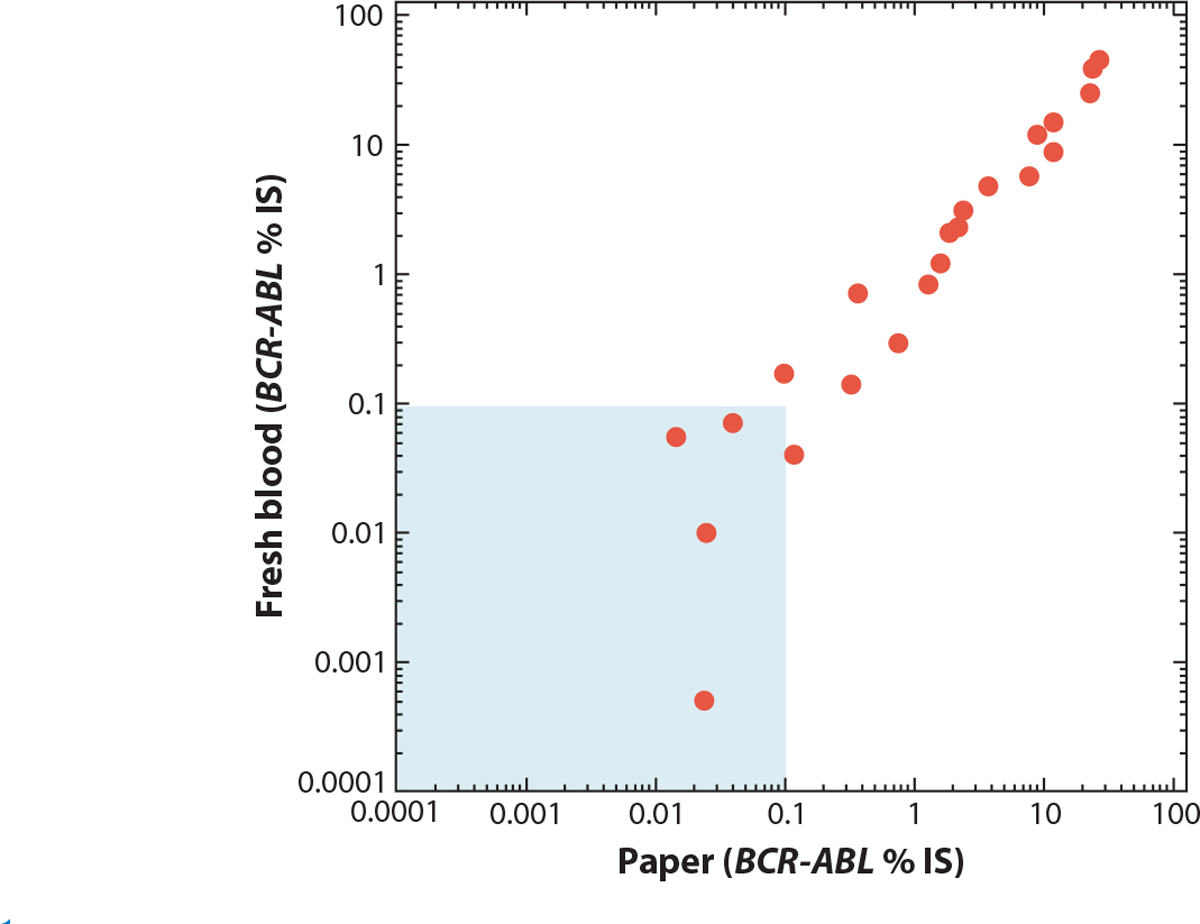
Figure 1
Figure 1
Comparison of BCR-ABL RNA from fresh peripheral blood versus dried blood spots. Samples were taken from patients in Adelaide, South Australia. One aliquot was tested immediately, and the other was spotted onto paper, dried, and shipped by mail to Seattle, WA. The average transit time was over a month. The values are BCR-ABL/ABL percentage on the international scale (% IS). The shaded area is the level at or below a major molecular response. Figure adapted with permission from Reference .
Figure 2
Figure 2
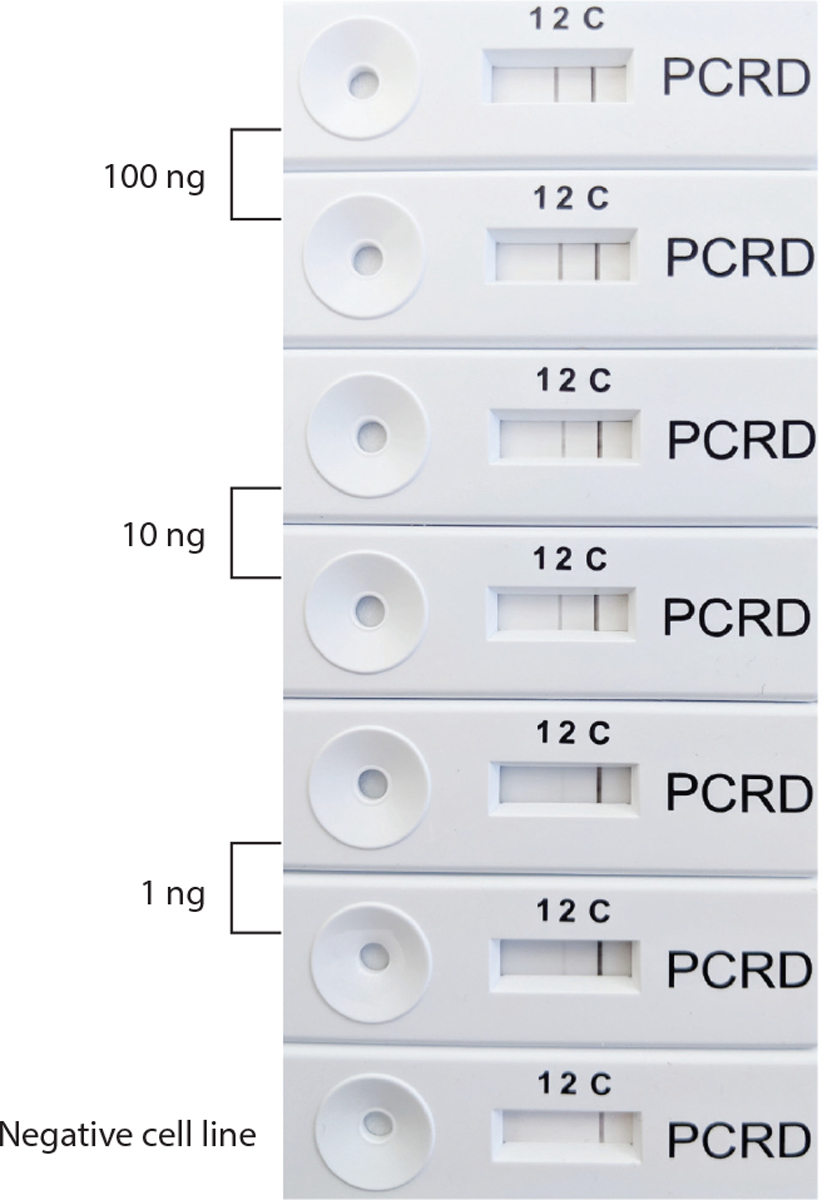
A recombinase polymerase amplification (RPA) reaction for the PML-RARA fusion mRNA found in acute promyelocytic leukemia. The RPA enzyme mix uses three enzymes: recombinase, a single-stranded DNA-binding protein, and strand-displacing polymerase. For the reverse transcription step, Superscript IV was used at 37°C. The reaction is run on a PCRD nucleic acid detection lateral flow device. On the PCRD device, the band at C is the negative control product, while the PML-RARA amplification band is seen under the number 2 label. For the reaction, the NB4 cell line, which contains PML-RARA, was diluted into a negative control cell line mRNA.
Figure 3
Figure 3
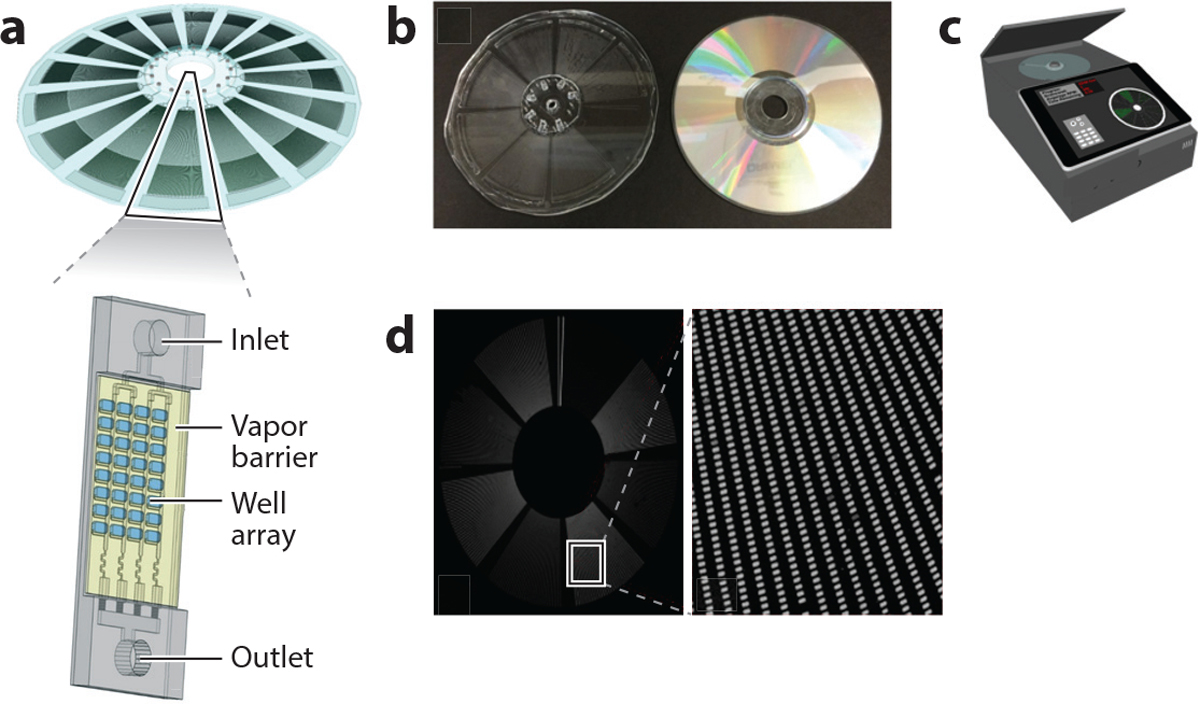
Self-digitization disc and digital polymerase chain reaction (dPCR) reader for nucleic acid detection and quantitation in low-resource settings. (a) Self-digitization disc. (b) The self-digitization disc (left) can be made with material similar to a conventional CD (right) and using a similar process. (c) The optical disc–style dPCR reader is portable and affordable. (d) dPCR works by partitioning nucleic acids in a sample into thousands or even millions of nanoliter compartments containing one or more nucleic acid molecules. After amplification, any compartment that contains at least one of the target molecules will produce a positive signal.
Figure 4
Figure 4
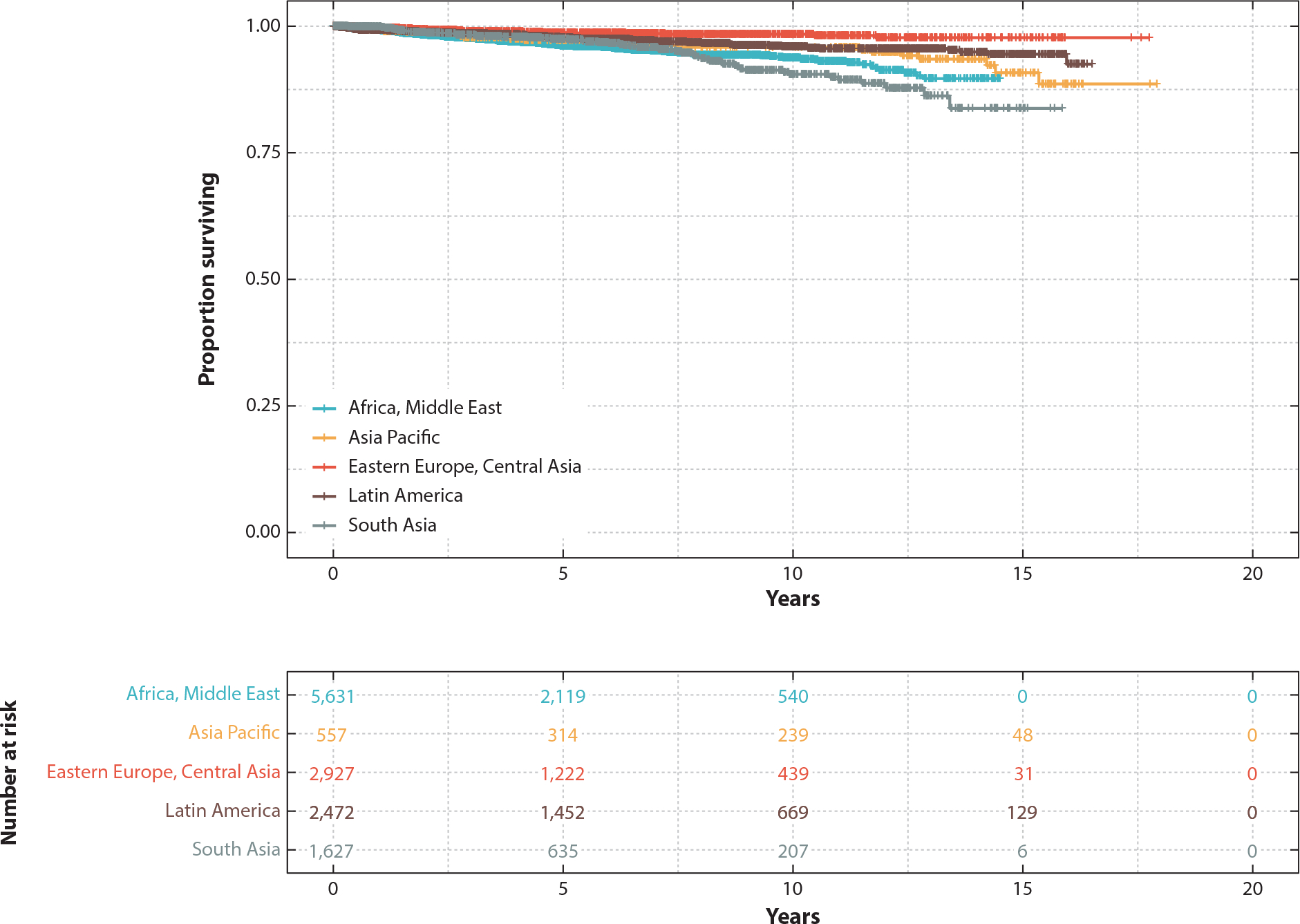
Survival in chronic myeloid leukemia (CML) patients currently treated by the Max Access Solutions program, using imatinib as first-line therapy. At-risk patients from different areas are shown. Individual data points indicate deaths. Figure adapted with permission from Reference .

References

    1. Lancet. 2018. GLOBOCAN 2018: counting the toll of cancer. Lancet 392(10152):985. - PubMed
    1. WHO (World Health Organ.). 2019. Second WHO model list of essential in vitro diagnostics. Publ. WHO/MVP/EMP/2019.05, WHO, Geneva
    1. Nelson AM, Milner DA, Rebbeck TR, Iliyasu Y. 2016. Oncologic care and pathology resources in Africa: survey and recommendations. J. Clin. Oncol 34(1):20–26 - PubMed
    1. Neal RD, Tharmanathan P, France B, Din NU, Cotton S, et al. 2015. Is increased time to diagnosis and treatment in symptomatic cancer associated with poorer outcomes? Systematic review. Br. J. Cancer 112(Suppl. 1):S92–107 - PMC - PubMed
    1. WHO (World Health Organ.). Cancer Fact Sheet 2020. Geneva: WHO. https://www.who.int/news-room/fact-sheets/detail/cancer

Publication types