


Consumer engagement in health care policy, research and services: A systematic review and meta-analysis of methods and effects
- PMID: 35085276
- PMCID: PMC8794088
- DOI: 10.1371/journal.pone.0261808
Consumer engagement in health care policy, research and services: A systematic review and meta-analysis of methods and effects
Abstract
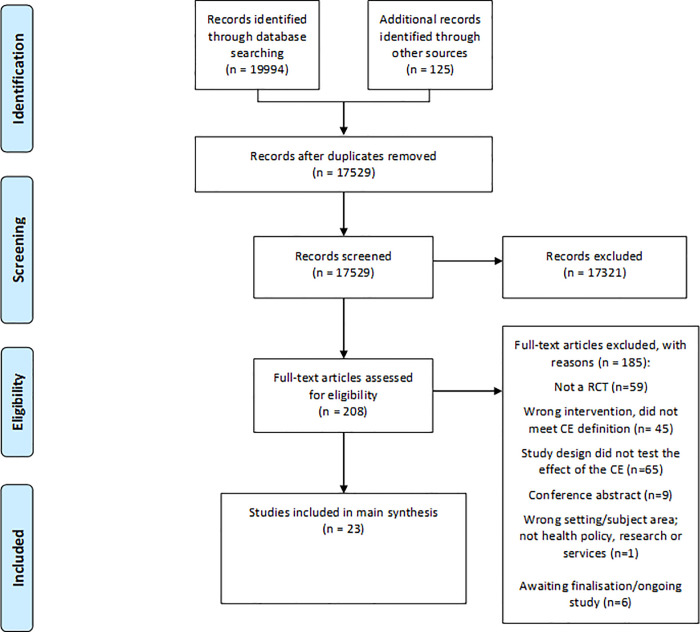
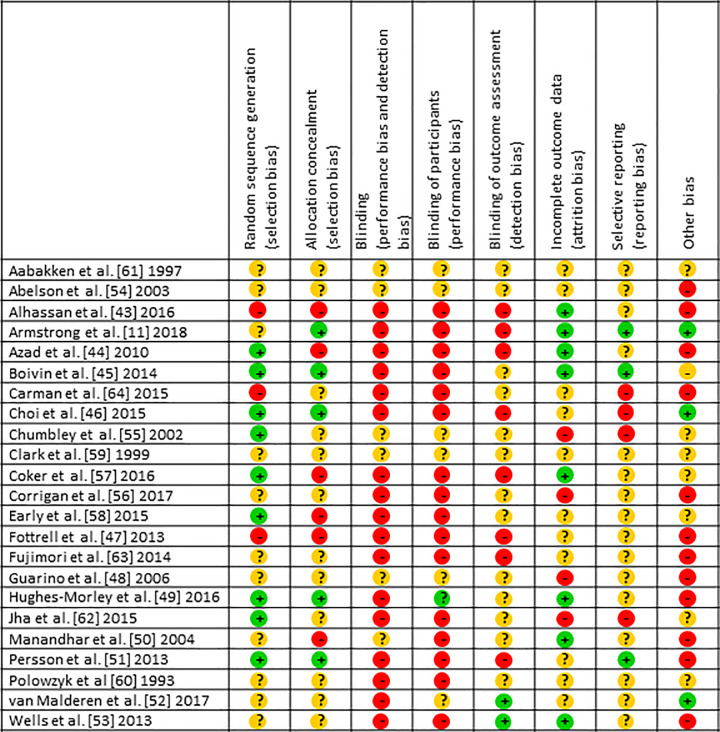
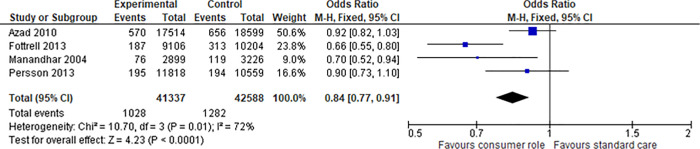
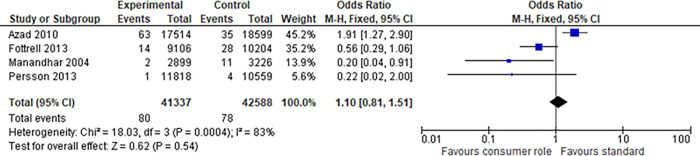
To assess the effects of consumer engagement in health care policy, research and services. We updated a review published in 2006 and 2009 and revised the previous search strategies for key databases (The Cochrane Central Register of Controlled Trials; MEDLINE; EMBASE; PsycINFO; CINAHL; Web of Science) up to February 2020. Selection criteria included randomised controlled trials assessing consumer engagement in developing health care policy, research, or health services. The International Association for Public Participation, Spectrum of Public Participation was used to identify, describe, compare and analyse consumer engagement. Outcome measures were effects on people; effects on the policy/research/health care services; or process outcomes. We included 23 randomised controlled trials with a moderate or high risk of bias, involving 136,265 participants. Most consumer engagement strategies adopted a consultative approach during the development phase of interventions, targeted to health services. Based on four large cluster-randomised controlled trials, there is evidence that consumer engagement in the development and delivery of health services to enhance the care of pregnant women results in a reduction in neonatal, but not maternal, mortality. From other trials, there is evidence that involving consumers in developing patient information material results in material that is more relevant, readable and understandable for patients, and can improve knowledge. Mixed effects are reported of consumer-engagement on the development and/or implementation of health professional training. There is some evidence that using consumer interviewers instead of staff in satisfaction surveys can have a small influence on the results. There is some evidence that consumers may have a role in identifying a broader range of health care priorities that are complementary to those from professionals. There is some evidence that consumer engagement in monitoring and evaluating health services may impact perceptions of patient safety or quality of life. There is growing evidence from randomised controlled trials of the effects of consumer engagement on the relevance and positive outcomes of health policy, research and services. Health care consumers, providers, researchers and funders should continue to employ evidence-informed consumer engagement in their jurisdictions, with embedded evaluation. Systematic review registration: PROSPERO CRD42018102595.
Conflict of interest statement
The authors have declared that no competing interests exist.
Figures

References
Publication types
MeSH terms
LinkOut - more resources
Full Text Sources
Medical
