


Video Calls for Older Adults: A Narrative Review of Experiments Involving Older Adults in Elderly Care Institutions
- PMID: 35096731
- PMCID: PMC8795665
- DOI: 10.3389/fpubh.2021.751150
Video Calls for Older Adults: A Narrative Review of Experiments Involving Older Adults in Elderly Care Institutions
Abstract
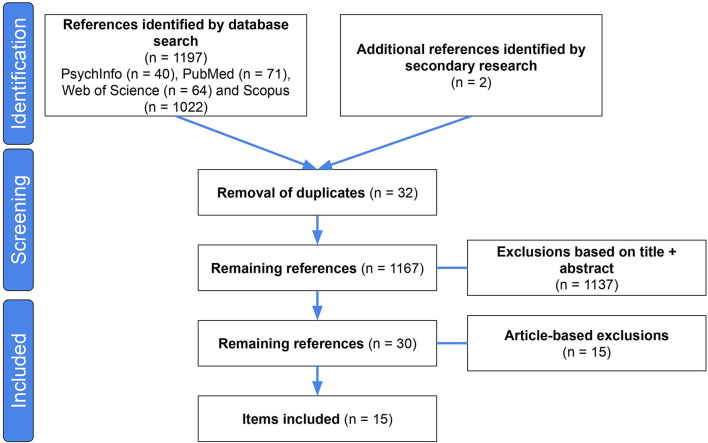
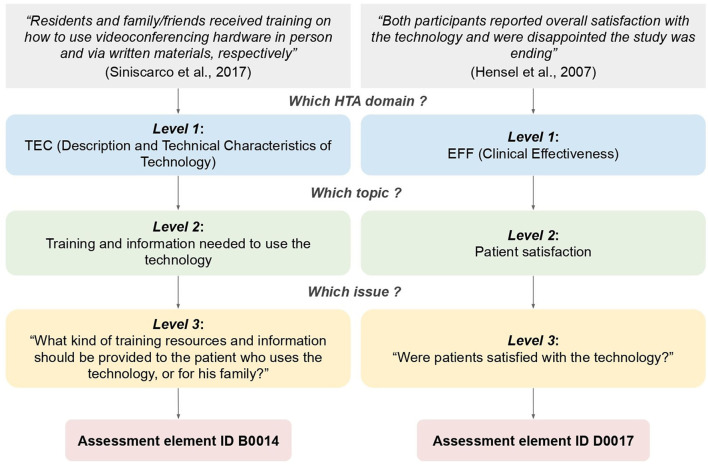
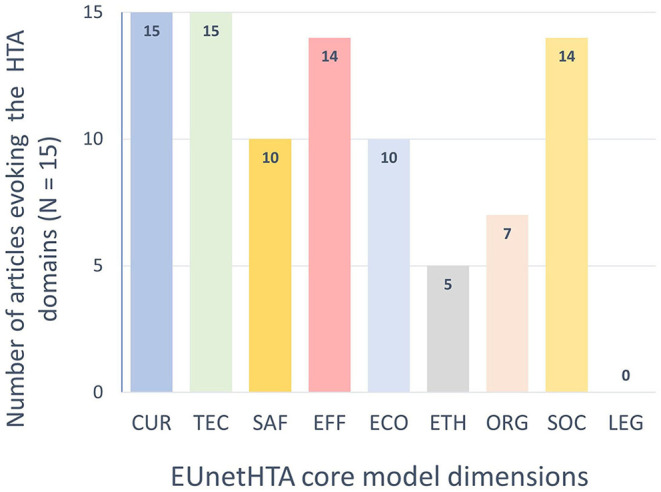
Social isolation in geriatric institutions is a real threat to older adults' (OAs) well-being. Visits from family members, when they are not impacted by geographical distance or illness, sometimes fail to provide sufficient opportunities for social connectedness and interaction to prevent and/or combat OAs' loneliness and social isolation. Information and Communication Technologies (ICTs) offer promising solutions to this problem. Video calls provide a quick and convenient way for remote communication between OAs and their families, and a complement to face-to-face visits in geriatric settings. Over the last months, during the several confinements imposed to stop the transmission of COVID-19 over the world, several care homes and long-care facilities have equipped themselves with laptops, tablets and video call applications to help OAs remain in contact with their relatives. However, numerous technical and human-related factors may hinder the use of video calls in these settings. The complexity of technological devices, as well as OAs limited digital skills, low confidence and experience in the use of technology are some examples. Furthermore, the specific context of use and the required implication of multiple actors (care professionals, family members) should also be considered when examining the use and implementation of video calls in geriatric institutions. We conducted a narrative review of literature describing the use of video calls in geriatric institutions between 2000 and 2021, especially because of the little information related to OAs' use of video calls in geriatric settings. One thousand one hundred ninety-seven references were screened and 15 studies focusing on the usability, acceptability and effectiveness of video calls were included. A qualitative, deductive thematic analysis inspired by a Health Technology Assessment (HTA) multidimensional model was used to identify barriers, enablers and solutions to video calls implementation in geriatric institutions. The results from the HTA-based analysis provide encouraging evidence for the feasibility of video call use in geriatric settings, and its efficacy on reducing social isolation among residents. However, numerous technical, human-related, ethical and organizational barriers persist and should be addressed in future works. The present analysis has also allowed the identification of potential solutions to overcome these barriers, which are discussed in this publication.
Keywords: elderly care institutions; health technology assessment (HTA); older adults; social isolation; video calls.
Copyright © 2022 Naudé, Rigaud and Pino.
Conflict of interest statement
The authors declare that the research was conducted in the absence of any commercial or financial relationships that could be construed as a potential conflict of interest.
Figures
References
-
- Pinquart M, Sorensen S. Influences on loneliness in older adults: a meta-analysis. Basic Appl Soc Psychol. (2001) 23:245–66. 10.1207/S15324834BASP2304_2 - DOI
Publication types
MeSH terms
LinkOut - more resources
Full Text Sources
Medical
Miscellaneous
