


Image-based phenotyping of cassava roots for diversity studies and carotenoids prediction
- PMID: 35100324
- PMCID: PMC8803208
- DOI: 10.1371/journal.pone.0263326
Image-based phenotyping of cassava roots for diversity studies and carotenoids prediction
Abstract
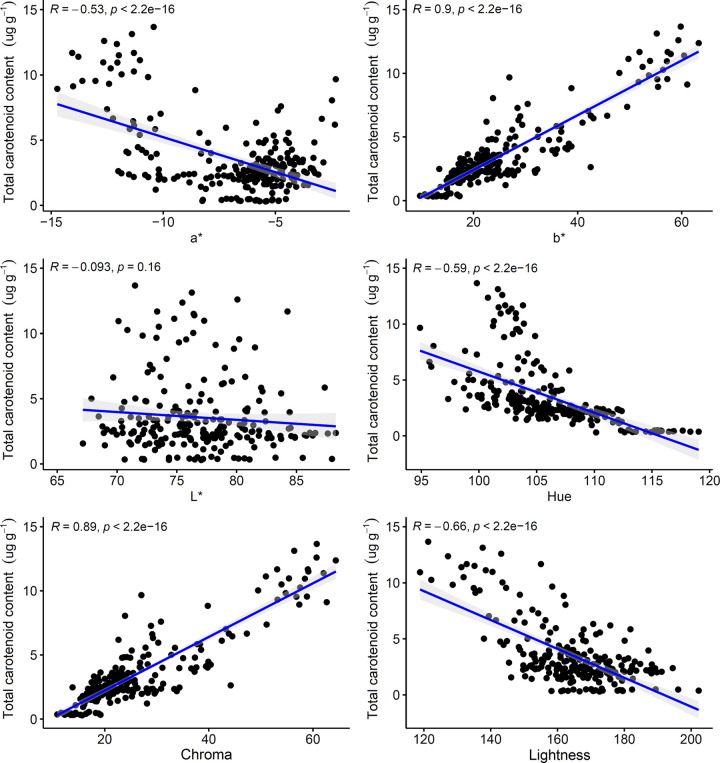
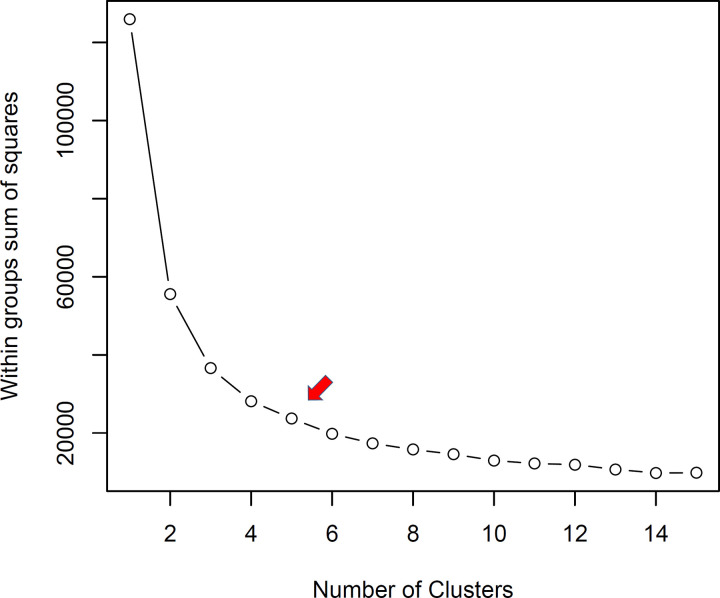
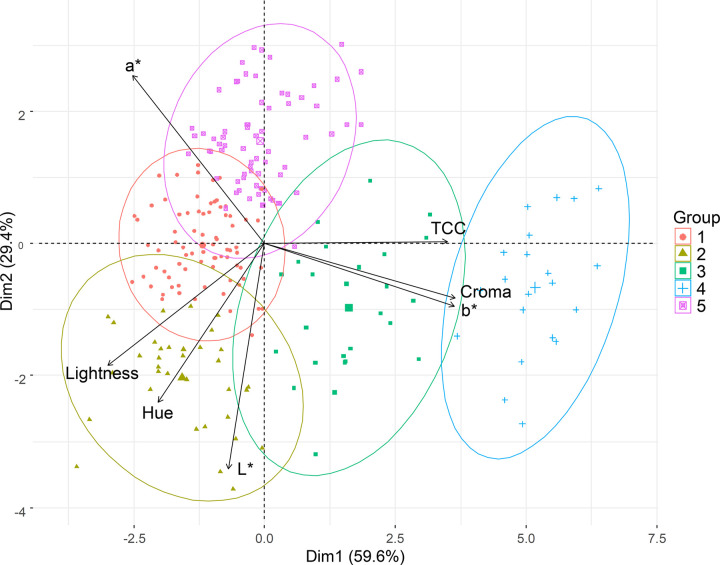
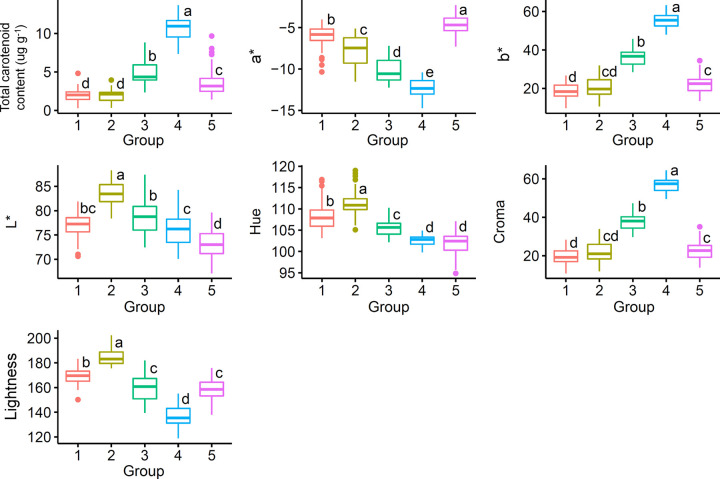
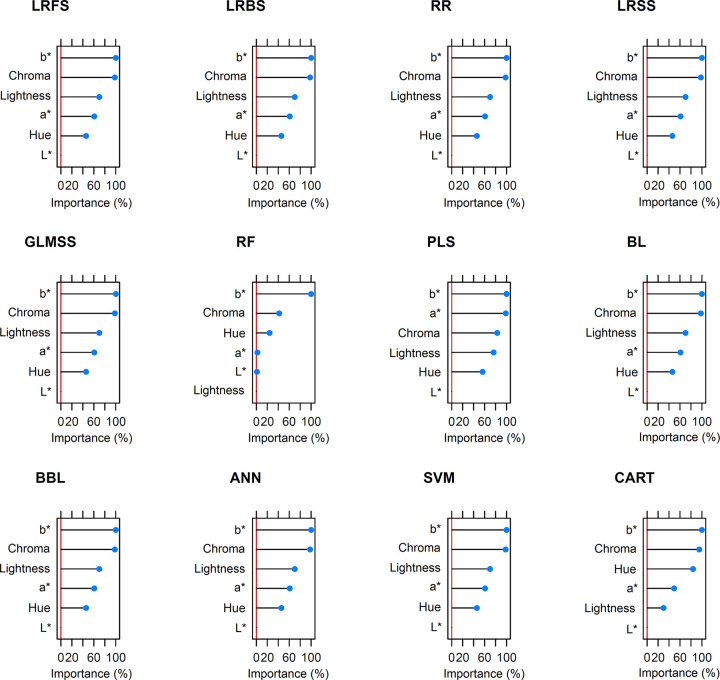
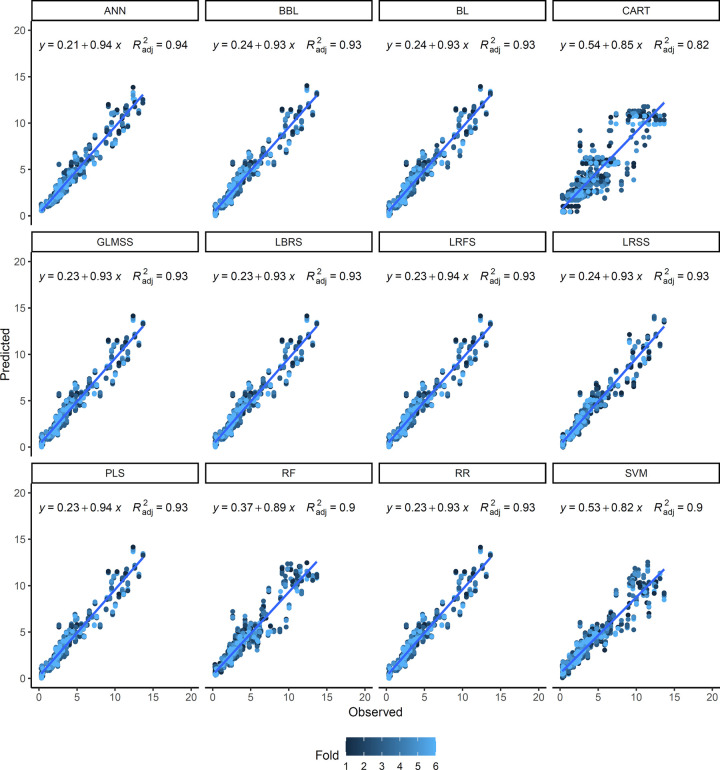
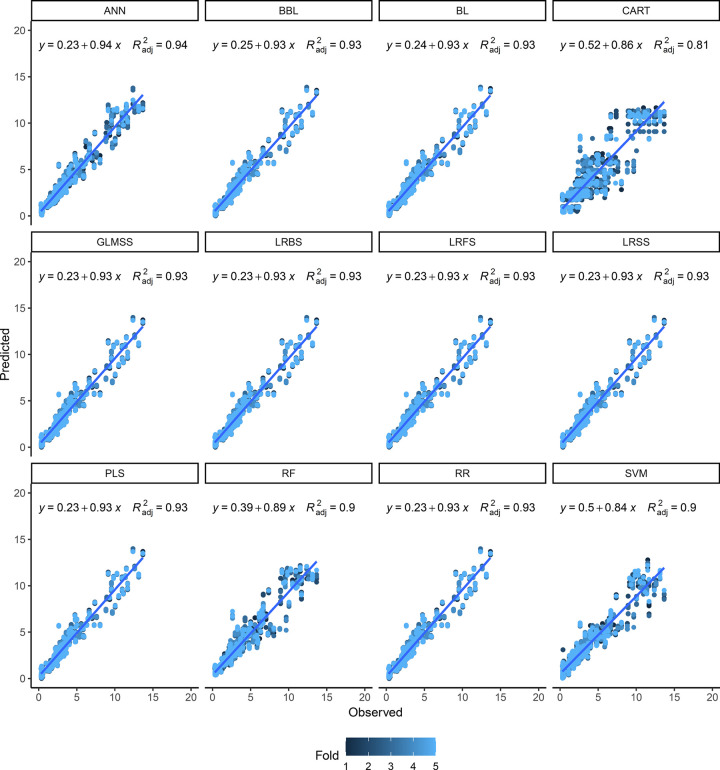
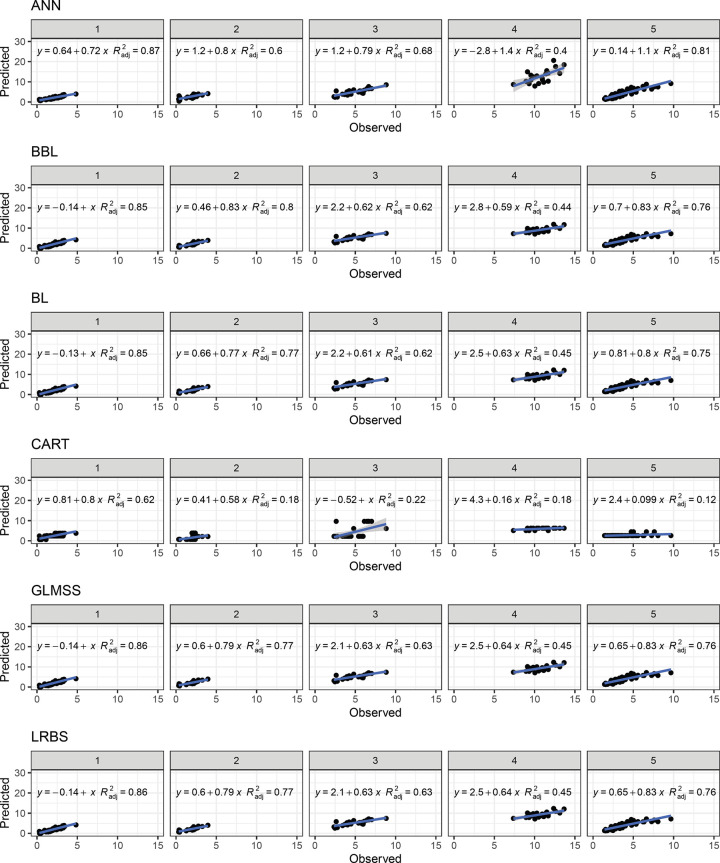
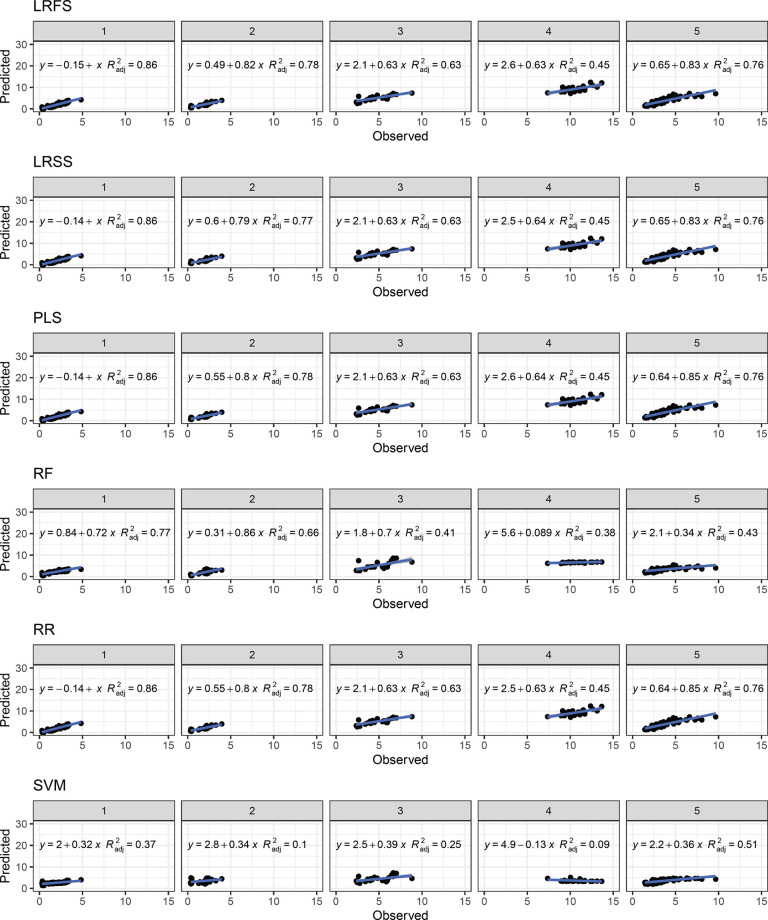
Phenotyping to quantify the total carotenoids content (TCC) is sensitive, time-consuming, tedious, and costly. The development of high-throughput phenotyping tools is essential for screening hundreds of cassava genotypes in a short period of time in the biofortification program. This study aimed to (i) use digital images to extract information on the pulp color of cassava roots and estimate correlations with TCC, and (ii) select predictive models for TCC using colorimetric indices. Red, green and blue images were captured in root samples from 228 biofortified genotypes and the difference in color was analyzed using L*, a*, b*, hue and chroma indices from the International Commission on Illumination (CIELAB) color system and lightness. Colorimetric data were used for principal component analysis (PCA), correlation and for developing prediction models for TCC based on regression and machine learning. A high positive correlation between TCC and the variables b* (r = 0.90) and chroma (r = 0.89) was identified, while the other correlations were median and negative, and the L* parameter did not present a significant correlation with TCC. In general, the accuracy of most prediction models (with all variables and only the most important ones) was high (R2 ranging from 0.81 to 0.94). However, the artificial neural network prediction model presented the best predictive ability (R2 = 0.94), associated with the smallest error in the TCC estimates (root-mean-square error of 0.24). The structure of the studied population revealed five groups and high genetic variability based on PCA regarding colorimetric indices and TCC. Our results demonstrated that the use of data obtained from digital image analysis is an economical, fast, and effective alternative for the development of TCC phenotyping tools in cassava roots with high predictive ability.
Conflict of interest statement
The authors have declared that no competing interests exist.
Figures
References
-
- Burns A, Gleadow R, Cliff J, Zacarias A, Cavagnaro T. Cassava:the drought, war and famine crop in a changing world. Sustainability. 2010; 2(11): 3572–3607.
-
- Jarvis A, Ramirez-Villegas J, Campo BVH, Navarro-Racines C. Is cassava the answer to African climate change adaptation? Tropical Plant Biology. 2012; 5(1): 9–29.
-
- Food and Agriculture Organization of the United Nations. FAOSTAT Database Gateway. [Online].; 2021. Available from:http://www.fao.org/faostat/en/#data/QC.
-
- Ferraro V, Pcicirillo C, Tomlins K, Pintado ME. Cassava (Manihot esculenta Crantz) and yam (Dioscorera spp.) crops and their derived foodstuffs:Safety, security and nutritional value. Critical reviews in food science and nutrition. 2016; 56(16): 2714–2727. doi: 10.1080/10408398.2014.922045 - DOI - PubMed
Publication types
MeSH terms
Substances
LinkOut - more resources
Full Text Sources
