Global Kidney Health Atlas: a spotlight on the Asia-Pacific sector
- PMID: 35108769
- PMCID: PMC8816414
- DOI: 10.23876/j.krcp.21.236
Global Kidney Health Atlas: a spotlight on the Asia-Pacific sector
Abstract
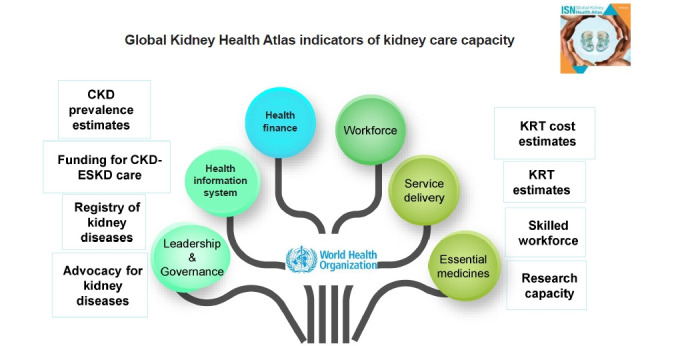
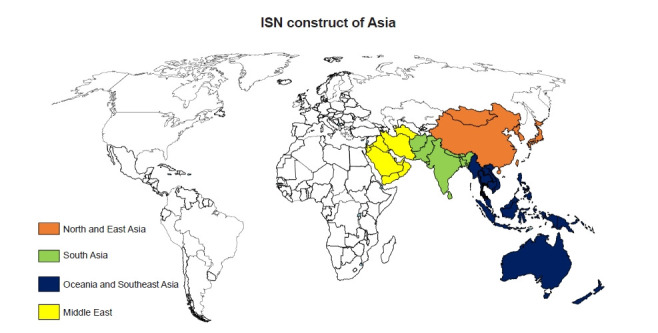
Chronic kidney disease (CKD) is a unique public health problem in terms of high expenses required for its management and its increasing worldwide incidence. Understanding the existing structure of CKD treatment and its epidemiology is pivotal for equitable kidney care globally. The Global Kidney Health Atlas (GKHA) was launched by the International Society of Nephrology (ISN) in 2017 as a part of its "Bridging the Gaps" strategy with a vision to understand the global kidney care capacity. Two rounds of GKHA surveys were conducted and published in 2017 and 2019, respectively. The GKHA surveys showed significant variability in kidney care among global regions. Asia is the largest of all continents and distinct for its heterogeneity. The Asia-Pacific sector comprises four main regional constructs of the ISN; North and East Asia, Oceania and South East Asia, South Asia, and the Middle East. Kidney care capacity varies among these regions in terms of government spending, epidemiology of kidney diseases, and workforce availability. In this narrative review, we highlight the differences in kidney care delivery among the regions of the Asia-Pacific sector based on information from GKHA and emphasize the priority areas on which stakeholders should concentrate their efforts.
Keywords: Asia; Chronic kidney disease; Global Kidney Health Atlas; Global goals.
Conflict of interest statement
All authors have no conflicts of interest to declare.
Figures
References
-
- Liyanage T, Ninomiya T, Jha V, et al. Worldwide access to treatment for end-stage kidney disease: a systematic review. Lancet. 2015;385:1975–1982. - PubMed
-
- Ashuntantang G, Osafo C, Olowu WA, et al. Outcomes in adults and children with end-stage kidney disease requiring dialysis in sub-Saharan Africa: a systematic review. Lancet Glob Health. 2017;5:e408–e417. - PubMed
-
- Bello AK, Levin A, Lunney M, et al. Global Kidney Health Atlas: a report by the International Society of Nephrology on the Global Burden of End-stage Kidney Disease and Capacity for Kidney Replacement Therapy and Conservative Care across World Countries and Regions. Brussels, Belgium: International Society of Nephrology; 2019.
-
- Bharati J, Jha V, Levin A. The Global Kidney Health Atlas: burden and opportunities to improve kidney health worldwide. Ann Nutr Metab. 2020;76 Suppl 1:25–30. - PubMed
-
- Bello AK, Levin A, Lunney M, et al. Status of care for end stage kidney disease in countries and regions worldwide: international cross sectional survey. BMJ. 2019;367:l5873. - PubMed
LinkOut - more resources
Full Text Sources