


Caregivers' experience of sleep management in Smith-Magenis syndrome: a mixed-methods study
- PMID: 35120534
- PMCID: PMC8815225
- DOI: 10.1186/s13023-021-02159-8
Caregivers' experience of sleep management in Smith-Magenis syndrome: a mixed-methods study
Abstract
Background: Smith-Magenis syndrome (SMS) is a rare genetic syndrome associated with a unique profile of early morning waking and daytime sleepiness. Children with SMS evidence high rates of self-injury and aggression and have a preference for adult over peer attention, with strong motivation to interact with a particular caregiver. In addition, people with SMS have lower adaptive functioning skills relative to cognitive abilities and demonstrate high levels of impulsivity. Taken together, these factors may result in individuals being awake overnight requiring vigilant caregiver supervision. Despite these complexities, no study has described the strategies caregivers take to keep their children with SMS safe overnight or considered the impact of these experiences on caregivers or the wider family.
Methods: The current study used a mixed-methods approach to consider sleep management strategies and challenges for caregivers of people with SMS at different ages. Caregivers completed an international online survey about sleep management and related difficulties, use of interventions and access to services and support. Semi-structured interviews were conducted with 14 caregivers in the UK to increase understanding of caregiver experiences and priorities for change in the UK context. Interviews were transcribed verbatim and coded using thematic analysis.
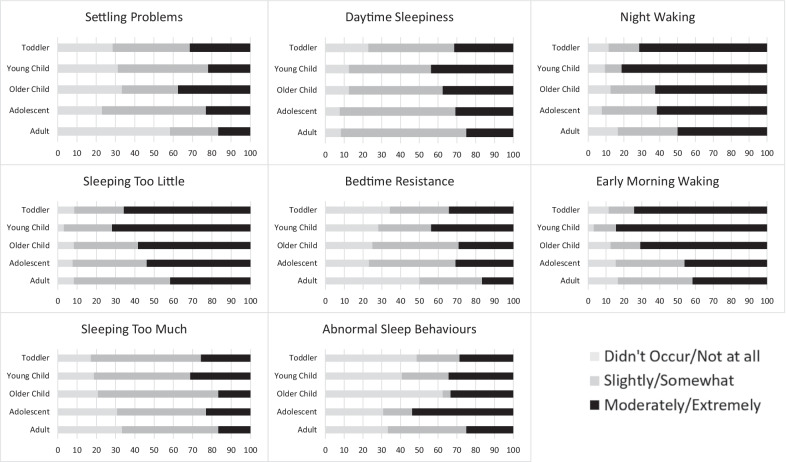
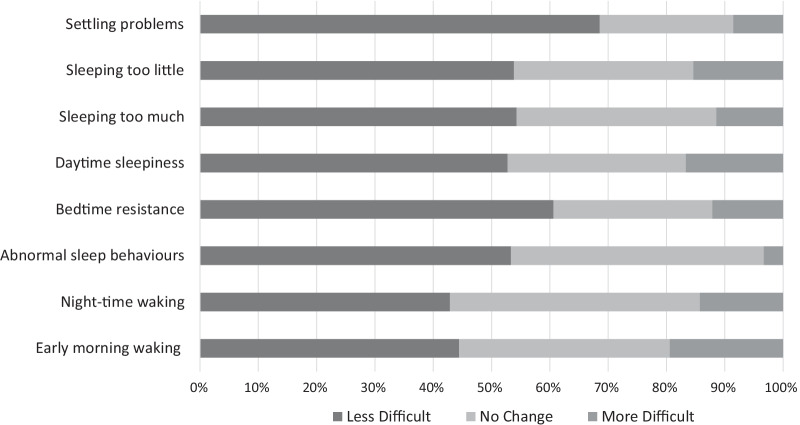
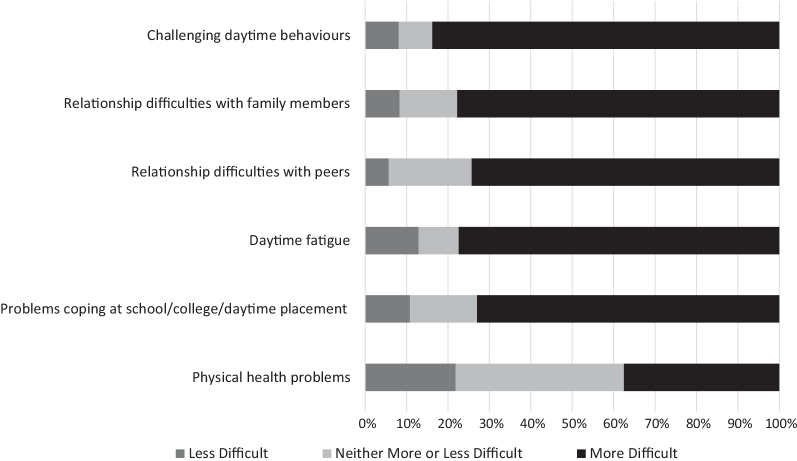
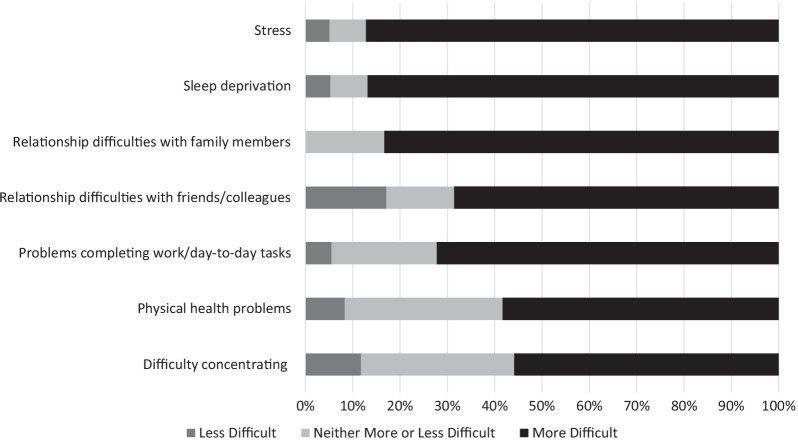
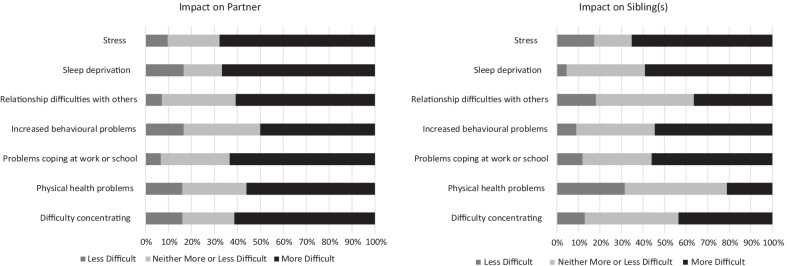
Results: Evidence from the online survey (n = 40) revealed wide-ranging impacts of poor sleep on the person with SMS and the wider family. Only 5% of caregivers reported that the sleep problems had no impact on their child, and 76% reported a moderately or extremely significant impact on themselves. For some individual caregivers, sleep management difficulties improved over time whereas for others no change was reported. Weekly respite emerged as the ideal provision for 49% of caregivers, although only 14% had access to this. The majority of caregivers (54%) received no respite. Thematic analysis of qualitative interviews revealed interactions between aspects of the behavioural phenotype of SMS which may contribute to complex and unusual presentations in relation to sleep management and safety.
Conclusions: Caregivers' priorities for sleep management and support were delineated, with key implications for services in terms of the use of SMS-sensitive strategies and respite provision.
Keywords: Caregivers; Disability; Parents; Qualitative; Safety; Sleep; Smith–Magenis syndrome.
© 2022. The Author(s).
Conflict of interest statement
GA declares that she has no competing interest. SB declares that she has no competing interest. LW declares that she has no competing interest. NO is Chief Executive Officer of the Smith–Magenis Syndrome (SMS) Foundation UK. CW declares that she has no competing interest. CR declares that she is on the scientific advisory board for the Smith–Magenis Syndrome (SMS) Foundation UK. CO declares that he is on the scientific advisory board for the Smith–Magenis Syndrome (SMS) Foundation UK.
Figures
References
-
- De Leersnyder H. Chapter 34—Smith–Magenis syndrome. In: Dulac O, Lassonde M, Sarnat HB, editors. Handbook of clinical neurology. Amsterdam: Elsevier; 2013. pp. 295–296. - PubMed
-
- Girirajan S, Vlangos CN, Szomju BB, Edelman E, Trevors CD, Dupuis L, et al. Genotype-phenotype correlation in Smith–Magenis syndrome: evidence that multiple genes in 17p11.2 contribute to the clinical spectrum. Genet Med. 2006;8:417–427. - PubMed
-
- Vlangos CN, Yim DKC, Elsea SH. Refinement of the Smith–Magenis syndrome critical region to approximately 950kb and assessment of 17p11.2 deletions. Are all deletions created equally? Mol Genet Metab. 2003;79:134–141. - PubMed
-
- Arron K, Oliver C, Moss J, Berg K, Burbidge C. The prevalence and phenomenology of self-injurious and aggressive behaviour in genetic syndromes. J Intellect Disabil Res. 2011;55:109–120. - PubMed
Publication types
MeSH terms
Grants and funding
LinkOut - more resources
Full Text Sources
