


Sustainable adsorptive removal of antibiotic residues by chitosan composites: An insight into current developments and future recommendations
- PMID: 35126797
- PMCID: PMC8800501
- DOI: 10.1016/j.arabjc.2022.103743
Sustainable adsorptive removal of antibiotic residues by chitosan composites: An insight into current developments and future recommendations
Abstract
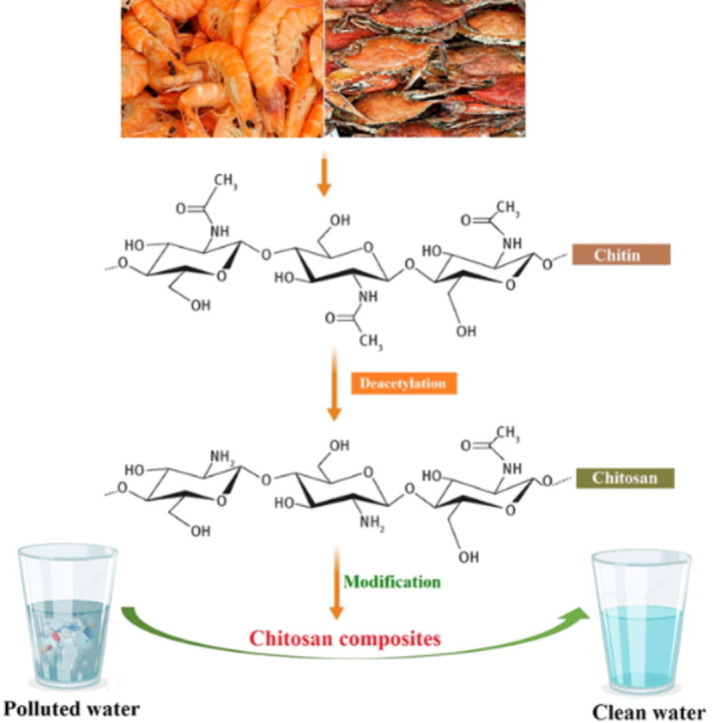
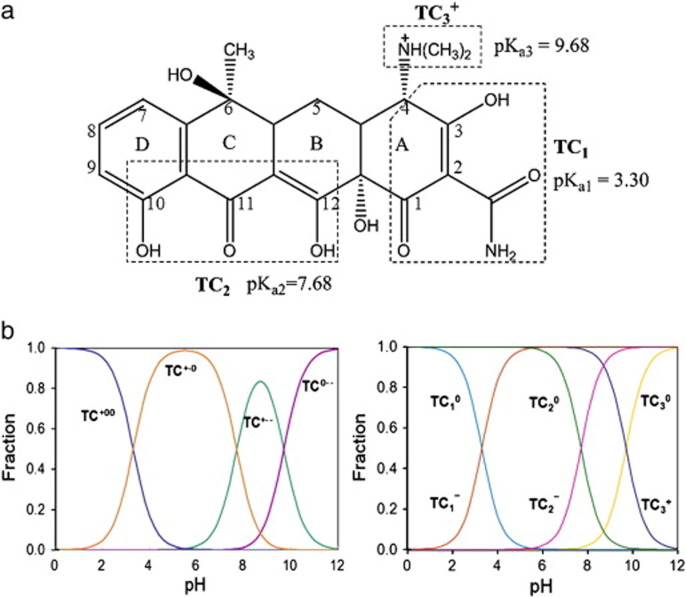
During COVID-19 crisis, water pollution caused by pharmaceutical residuals have enormously aggravated since millions of patients worldwide are consuming tons of drugs daily. Antibiotics are the preponderance pharmaceutical pollutants in water bodies that surely cause a real threat to human life and ecosystems. The excellent characteristics of chitosan such as nontoxicity, easy functionality, biodegradability, availability in nature and the abundant hydroxyl and amine groups onto its backbone make it a promising adsorbent. Herein, we aimed to provide a comprehensive overview of recent published research papers regarding the removal of antibiotics by chitosan composite-based adsorbents. The structure, ionic form, optimum removal pH and λmax of the most common antibiotics including Tetracycline, Ciprofloxacin, Amoxicillin, Levofloxacin, Ceftriaxone, Erythromycin, Norfloxacin, Ofloxacin, Doxycycline, Cefotaxime and Sulfamethoxazole were summarized. The development of chitosan composite-based adsorbents in order to enhance their adsorption capacity, reusability and validity were presented. Moreover, the adsorption mechanisms of these antibiotics were explored to provide more information about adsorbate-adsorbent interactions. Besides the dominant factors on the adsorption process including pH, dosage, coexisting ions, etc. were discussed. Moreover, conclusions and future recommendations are provided to inspire for further researches.
Keywords: Adsorption; Chitosan; Ionic form; Mechanism; Pharmaceutical residue.
© 2022 The Authors.
Conflict of interest statement
The authors declare that they have no known competing financial interests or personal relationships that could have appeared to influence the work reported in this paper.
Figures




References
-
- Abd El-Hack M.E., El-Saadony M.T., Shafi M.E., Zabermawi N.M., Arif M., Batiha G.E., Khafaga A.F., Abd El-Hakim Y.M., Al-Sagheer A.A. Antimicrobial and antioxidant properties of chitosan and its derivatives and their applications: a review. Int. J. Biol. Macromol. 2020;164:2726–2744. - PubMed
-
- Abdelfatah A.M., Fawzy M., El-Khouly M.E., Eltaweil A.S. Efficient adsorptive removal of tetracycline from aqueous solution using phytosynthesized nano-zero valent iron. J. Saudi Chem. Soc. 2021;25:101365.
-
- Acuna G., Johnston J., Young L., Martin W. In-vitro studies with ceftazidime against aerobic Gram-negative bacilli and Bacteroides fragilis group. J. Antimicrob. Chemother. 1981;8:83–89. - PubMed
-
- Afzal M.Z., Sun X.-F., Liu J., Song C., Wang S.-G., Javed A. Enhancement of ciprofloxacin sorption on chitosan/biochar hydrogel beads. Sci. Total Environ. 2018;639:560–569. - PubMed
-
- Afzal M.Z., Yue R., Sun X.-F., Song C., Wang S.-G. Enhanced removal of ciprofloxacin using humic acid modified hydrogel beads. J. Colloid Interface Sci. 2019;543:76–83. - PubMed
Publication types
LinkOut - more resources
Full Text Sources