Review
. 2022 Feb 2;8(2):e657.
doi: 10.1212/NXG.0000000000000657. eCollection 2022 Apr.

Therapy Trial Design in Vanishing White Matter: An Expert Consortium Opinion

Affiliations
Review

Therapy Trial Design in Vanishing White Matter: An Expert Consortium Opinion

Marjo S van der Knaap et al. Neurol Genet. .

Abstract

Vanishing white matter (VWM) is a leukodystrophy caused by recessive variants in the genes EIF2B1-EIF2B5. It is characterized by chronic neurologic deterioration with superimposed stress-provoked episodes of rapid decline. Disease onset spans from the antenatal period through senescence. Age at onset predicts disease evolution for patients with early onset, whereas disease evolution is unpredictable for later onset; patients with infantile and early childhood onset consistently have severe disease with rapid neurologic decline and often early death, whereas patients with later onset have highly variable disease. VWM is rare, but likely underdiagnosed, particularly in adults. Apart from measures to prevent stressors that could provoke acute deteriorations, only symptomatic care is currently offered. With increased insight into VWM disease mechanisms, opportunities for treatment have emerged. EIF2B1-EIF2B5 encode the 5-subunit eukaryotic initiation factor 2B complex, which is essential for translation of mRNAs into proteins and is a principal regulator of the integrated stress response (ISR). ISR deregulation is central to VWM pathology. Targeting components of the ISR has proven beneficial in mutant VWM mouse models, and several drugs are now in clinical development. However, clinical trials in VWM pose considerable challenges: low numbers of known patients with VWM, unpredictable disease course for patients with onset after early childhood, absence of intermediate biomarkers, and novel first-in-human molecular targets. Given these challenges and considering the critical need to offer therapies, we have formulated recommendations for enhanced diagnosis, drug trial setup, and patient selection, based on our expert evaluation of molecular, laboratory, and clinical data.


Figures

Figure 1
Figure 1. Disease Progression in Relation to Age at Onset
Kaplan-Meier plots for survival (A), walking with or without support (B), and cognition (C) in relation to disease duration, per the age at onset group. In all plots, censored patients (alive at last follow-up, still ambulant, or absence of cognitive decline) are indicated by crosses. Modified from Figure 3, Hamilton et al., Ann Neurol 2018, with permission.
Figure 2
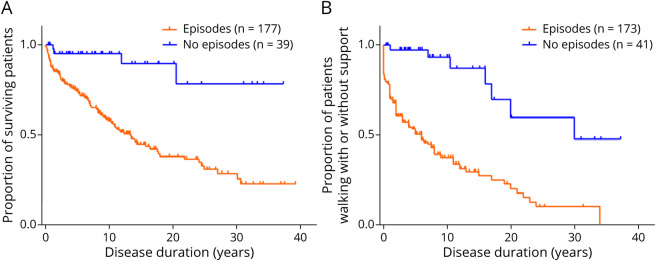
Figure 2. Effect of Stress-Provoked Episodes
Survival (A) and walking with or without support (B) in relation to disease duration, grouped by disease course with and without episodic deterioration. In all plots, censored patients (alive at last follow-up or still ambulant) are indicated by crosses. Modified from Figure 3, Hamilton et al., Ann Neurol 2018, with permission.
Figure 3
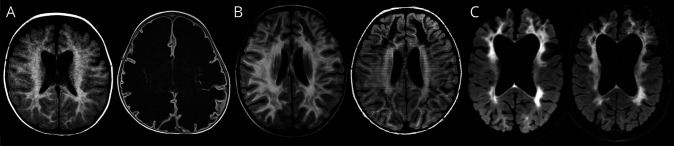
Figure 3. MRI in Vanishing White Matter
FLAIR images in a patient at clinical presentation at 7 months and follow-up at 24 months (A) show that initially, the cerebral white matter is abnormal but not rarefied, whereas at 24 months, all cerebral white matter has vanished, but still looks swollen. FLAIR images in a patient at clinical presentation at 4½ years and follow-up at 6 years (B) show abnormal cerebral white matter that is increasingly rarefied and cystic. Note the radiating stripes representing better preserved tissue strands. FLAIR images in a patient at clinical presentation at 48 years and follow-up at 55 years (C) show that the cerebral white matter is abnormal, but the directly subcortical white matter is spared. There are minimal signs of rarefaction, and there is some cerebral atrophy. At follow-up, the atrophy has progressed.
Figure 4
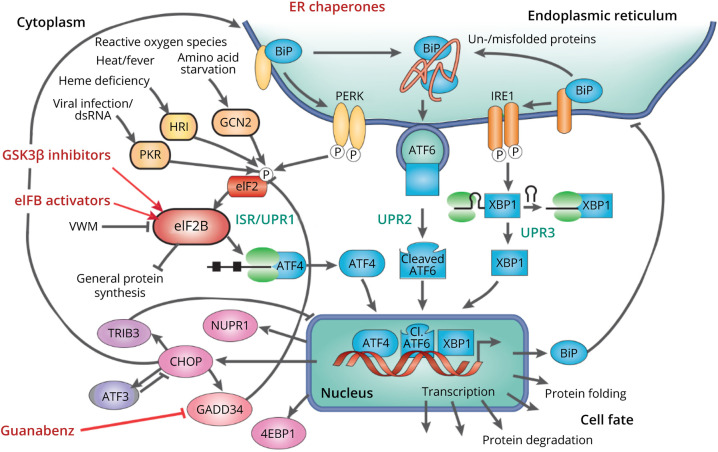
Figure 4. Integrated Stress Response, Drug Targets, and Drugs
The ISR is activated by 4 kinases (PKR, HRI, GCN2, and PERK), each a sensor for a particular stress type. ER stress activates the unfolded protein response (UPR), which has 3 arms, mediated by PERK, ATF6, and IRE1. The PERK pathway is shared by the ISR and UPR. Activated kinases phosphorylate eIF2α, which binds and inhibits eIF2B. Pathogenic variants in EIF2B1-EIF2B5 also decrease eIF2B activity. Decreased eIF2B activity lowers overall mRNA translation and activates the activating transcription factor 4 transcription response, which has major effects on cell fates as cell death, recovery, survival, proliferation, differentiation, and maturation. GADD34 dephosphorylates eIF2α, thereby restoring eIF2B activity. C/EBP homologous protein sensitizes the ER for stress. eIF2B activators stabilize and activate eIF2B directly. Glycogen synthase kinase 3β inhibitors decrease eIF2B phosphorylation, thereby increasing its activity. Guanabenz inhibits GADD34, thereby modulating eIF2α phosphorylation and thus eIF2B activity. ER chaperones decrease ER stress. Modified from box 1, links.lww.com/NXG/A512, Scheper et al., Nat Rev 2007, with permission. eIF2B = eukaryotic initiation factor 2B; ER = endoplasmic reticulum; GADD34 = growth arrest and DNA damage protein 34; ISR = integrated stress response; UPR = unfolded protein response.
Figure 5
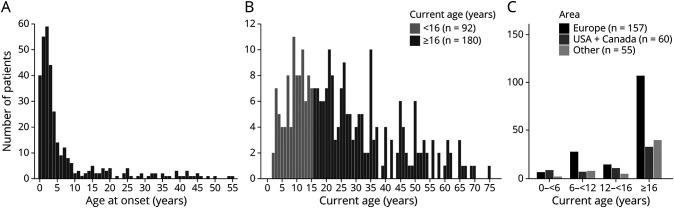
Figure 5. Numbers of Patients With Vanishing White Matter
(A) Histogram representing the number of patients per age at onset (years) for 291 patients with VWM. Modified from Figure 1, Hamilton et al., Ann Neurol 2018, with permission. (B) Histogram representing the number of patients per current age (years) for 272 living patients with VWM known to the consortium (236 living patients in the international VWM registry and 36 living patients outside the registry followed by consortium members). (C) Histogram representing the number of patients per age group and region of residency for 272 living patients with VWM known to the consortium, showing that most living patients are ≥16 years and diagnosed in Europe. VWM = vanishing white matter.

References

    1. Hanefeld F, Holzbach U, Kruse B, Wilichowski E, Christen HJ, Frahm J. Diffuse white matter disease in three children: an encephalopathy with unique features on magnetic resonance imaging and proton magnetic resonance spectroscopy. Neuropediatrics. 1993;24(5):244-248. - PubMed
    1. Schiffmann R, Moller JR, Trapp BD, et al. Childhood ataxia with diffuse central nervous system hypomyelination. Ann Neurol. 1994;35(3):331-340. - PubMed
    1. van der Knaap MS, Barth PG, Gabreëls FJ, et al. A new leukoencephalopathy with vanishing white matter. Neurology. 1997;48(4):845-855. - PubMed
    1. Hamilton EMC, van der Lei HDW, Vermeulen G, et al. Natural history of vanishing white matter. Ann Neurol. 2018;84(2):274-288. - PMC - PubMed
    1. Leegwater PA, Vermeulen G, Könst AA, et al. Subunits of the translation initiation factor eIF2B are mutant in leukoencephalopathy with vanishing white matter. Nat Genet. 2001;29(4):383-388. - PubMed