


Chlamydia inhibits progesterone receptor mRNA expression in SHT-290 cells
- PMID: 35128439
- PMCID: PMC8812455
- DOI: 10.1530/RAF-20-0069
Chlamydia inhibits progesterone receptor mRNA expression in SHT-290 cells
Abstract
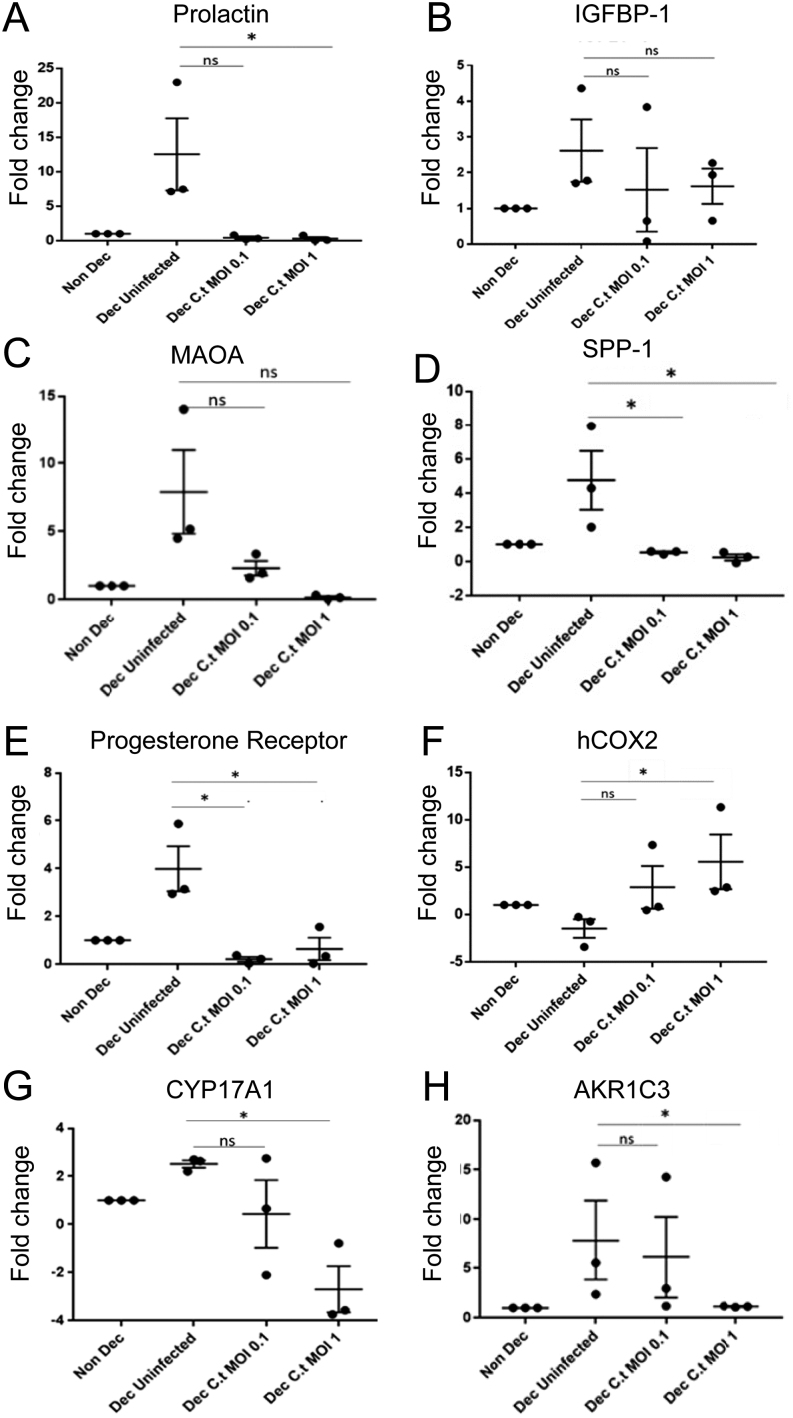
Chlamydia trachomatis is the most commonly diagnosed sexually transmitted infection in the UK, with over 200,000 positive diagnoses annually. The infection is thought to cause reproductive complications including problems in conceiving a pregnancy through to miscarriage and early or stillbirth. One potential reason Chlamydia may impact upon pregnancy is through disrupting the embryo implantation at the earliest stages of pregnancy is by altering the ability of specific cells that line the uterus called stromal cells to respond to the hormone progesterone, the hormone responsible for preparing the uterus for pregnancy. The results of this study showed that Chlamydial infection of these uterus lining stromal cells decreased the levels of specific progesterone sensitive markers which are associated with early embryo implantation, suggesting a loss of responsiveness to progesterone treatment. These changes were accompanied by a decrease in the levels of RNA for the progesterone receptor which is responsible for progesterone activity, suggesting that this is a potential mechanism through which Chlamydia could directly inhibit the effects of progesterone on uterine cells.
Keywords: Chlamydia; decidualisation; progesterone; stromal cell.
© 2021 The authors.
Conflict of interest statement
Nick Wheelhouse is an Associate Editor of Reproduction and Fertility. Nick Wheelhouse was not involved in the review or editorial process for this paper, on which he is listed as an author.
Figures
References
-
- Giakoumelou S, Wheelhouse N, Brown J, Wade J, Simitsidellis I, Gibson D, Saunders PTK, Horner P, Entrican G, Howie SEMet al. 2017. Chlamydia trachomatis infection of human endometrial stromal cells induces defective decidualisation and chemokine release. Scientific Reports 7 2001. (10.1038/s41598-017-02223-z) - DOI - PMC - PubMed
-
- Marshall E, Lowrey J, Macpherson S, Maybin JA, Collins F, Critchley HO, Saunders PT.2011. In silico analysis identifies a novel role for androgens in the regulation of human endometrial apoptosis. Journal of Clinical Endocrinology and Metabolism 96 E1746–E1755. (10.1210/jc.2011-0272) - DOI - PMC - PubMed
-
- Tang W, Mao J, Li KT, Walker JS, Chou R, Fu R, Chen W, Darville T, Klausner J, Tucker JD.2020. Pregnancy and fertility-related adverse outcomes associated with Chlamydia trachomatis infection: a global systematic review and meta-analysis. Sexually Transmitted Infections 96 322–329. (10.1136/sextrans-2019-053999) - DOI - PMC - PubMed
MeSH terms
Substances
LinkOut - more resources
Full Text Sources
Medical
Research Materials
