


Pulsed Electric Field-Assisted Extraction of Aroma and Bioactive Compounds From Aromatic Plants and Food By-Products
- PMID: 35155517
- PMCID: PMC8829011
- DOI: 10.3389/fnut.2021.792203
Pulsed Electric Field-Assisted Extraction of Aroma and Bioactive Compounds From Aromatic Plants and Food By-Products
Abstract
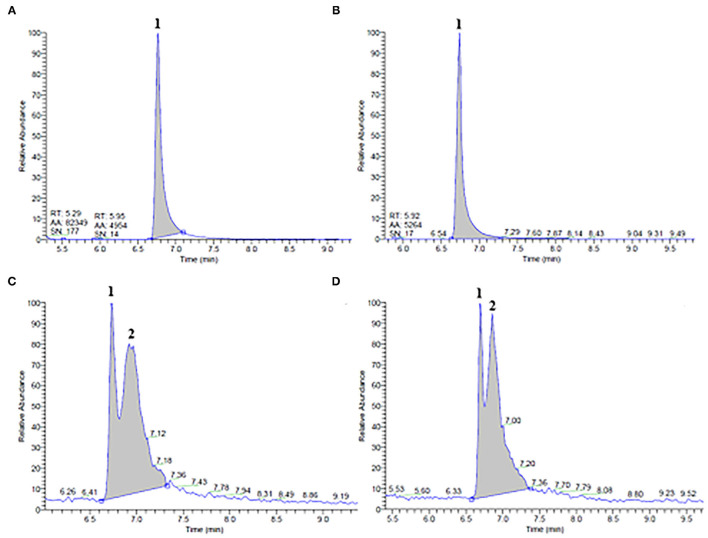
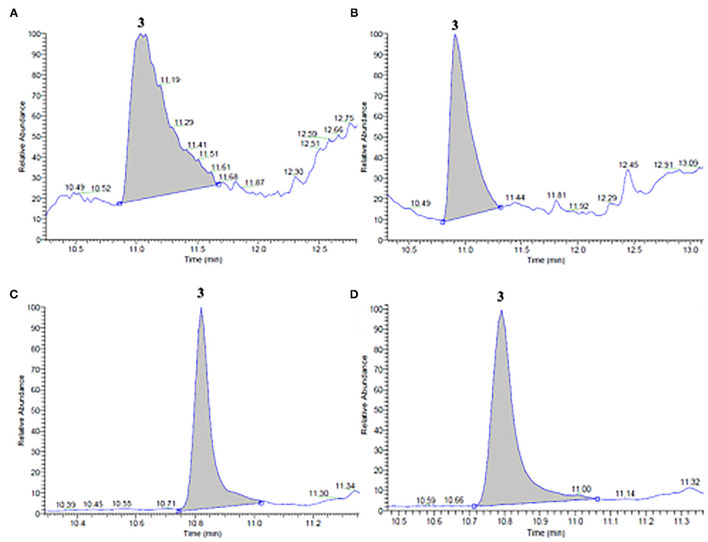
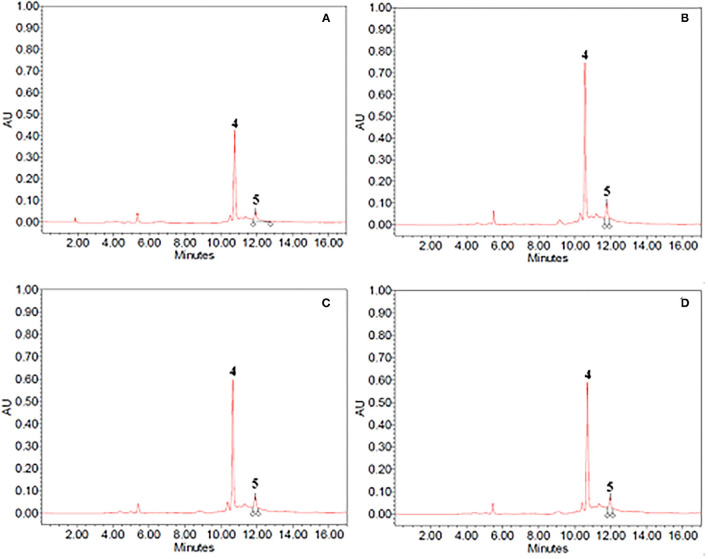
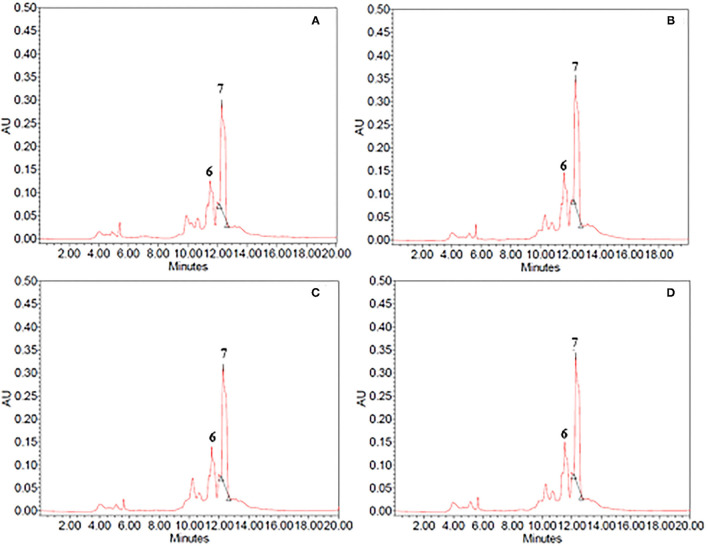
In this work, the effect of pulsed electric field (PEF) pre-treatment on the extractability in green solvents (i. e., ethanol-water mixture and propylene glycol) of target aroma and bioactive compounds, such as vanillin from vanilla pods, theobromine and caffeine from cocoa bean shells, linalool from vermouth mixture, and limonene from orange peels, was investigated. The effectiveness of PEF as a cell disintegration technique in a wide range of field strength (1-5 kV/cm) and energy input (1-40 kJ/kg) was confirmed using impedance measurements, and results were used to define the optimal PEF conditions for the pre-treatment of each plant tissue before the subsequent solid-liquid extraction process. The extracted compounds from untreated and PEF-treated samples were analyzed via GC-MS and HPLC-PDA analysis. Results revealed that the maximum cell disintegration index was detected for cocoa bean shells and vanilla pods (Z p = 0.82), followed by vermouth mixture (Z p = 0.77), and orange peels (Z p = 0.55). As a result, PEF pre-treatment significantly enhanced the extraction yield of the target compounds in both solvents, but especially in ethanolic extracts of vanillin (+14%), theobromine (+25%), caffeine (+34%), linalool (+114%), and limonene (+33%), as compared with untreated samples. Moreover, GC-MS and HPLC-PDA analyses revealed no evidence of degradation of individual compounds due to PEF application. The results obtained in this work suggest that the application of PEF treatment before solid-liquid extraction with green solvents could represent a sustainable approach for the recovery of clean labels and natural compounds from aromatic plants and food by-products.
Keywords: aroma compounds; bioactive compounds; extraction; green solvents; pulsed electric fields (PEF).
Copyright © 2022 Carpentieri, Režek Jambrak, Ferrari and Pataro.
Conflict of interest statement
The authors declare that the research was conducted in the absence of any commercial or financial relationships that could be construed as a potential conflict of interest.
Figures
References
-
- Innova Market Insights (2021). Available online at: https://www.innovamarketinsights.com/ (accessed October 01, 2021).
-
- Data Intelo Market Research (2021). Available online at: https://dataintelo.com/report/global-plant-extract-sales-market/ (accessed October 01, 2021).
LinkOut - more resources
Full Text Sources
Research Materials
Miscellaneous
