


Revolution or Evolution? Technical Requirements and Considerations towards 6G Mobile Communications
- PMID: 35161509
- PMCID: PMC8839279
- DOI: 10.3390/s22030762
Revolution or Evolution? Technical Requirements and Considerations towards 6G Mobile Communications
Abstract
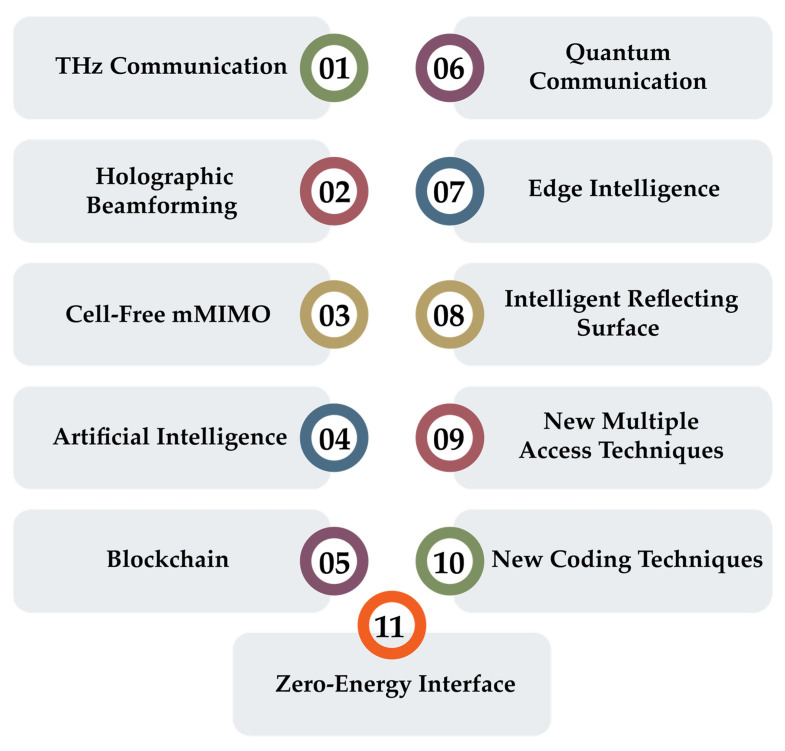
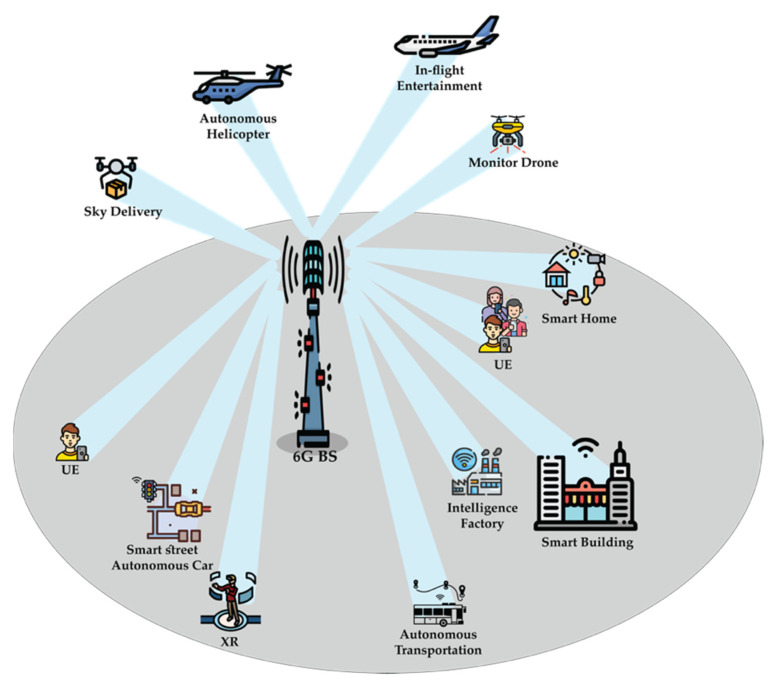
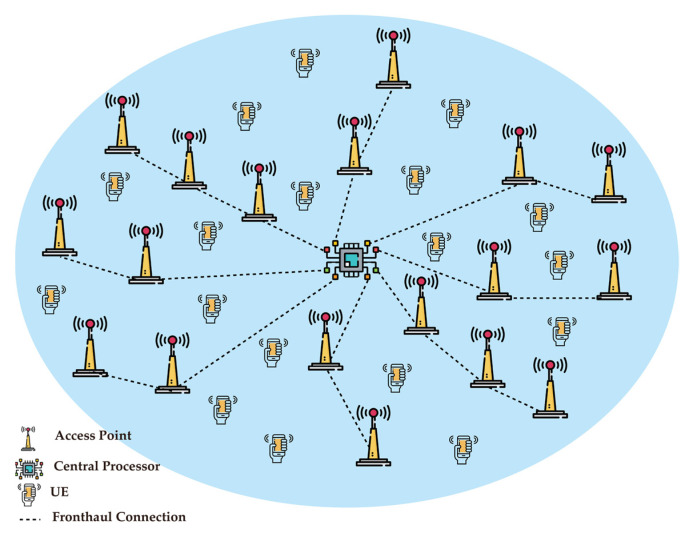
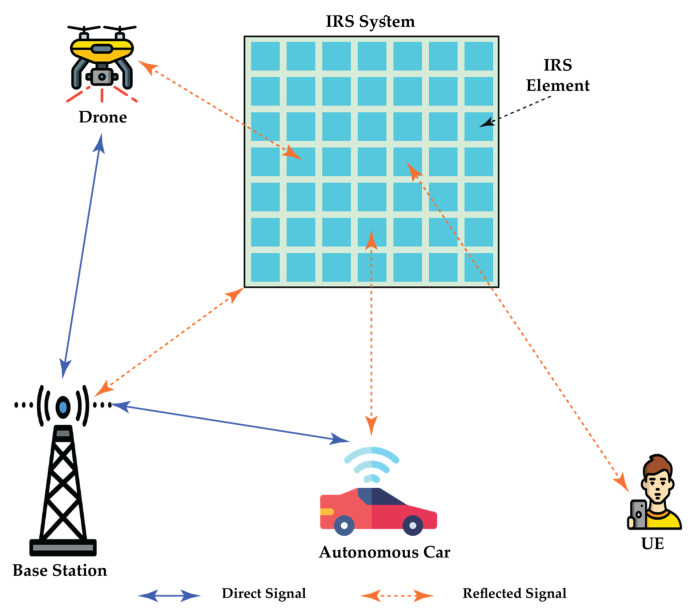
Ever since the introduction of fifth generation (5G) mobile communications, the mobile telecommunications industry has been debating whether 5G is an "evolution" or "revolution" from the previous legacy mobile networks, but now that 5G has been commercially available for the past few years, the research direction has recently shifted towards the upcoming generation of mobile communication system, known as the sixth generation (6G), which is expected to drastically provide significant and evolutionary, if not revolutionary, improvements in mobile networks. The promise of extremely high data rates (in terabits), artificial intelligence (AI), ultra-low latency, near-zero/low energy, and immense connected devices is expected to enhance the connectivity, sustainability, and trustworthiness and provide some new services, such as truly immersive "extended reality" (XR), high-fidelity mobile hologram, and a new generation of entertainment. Sixth generation and its vision are still under research and open for developers and researchers to establish and develop their directions to realize future 6G technology, which is expected to be ready as early as 2028. This paper reviews 6G mobile technology, including its vision, requirements, enabling technologies, and challenges. Meanwhile, a total of 11 communication technologies, including terahertz (THz) communication, visible light communication (VLC), multiple access, coding, cell-free massive multiple-input multiple-output (CF-mMIMO) zero-energy interface, intelligent reflecting surface (IRS), and infusion of AI/machine learning (ML) in wireless transmission techniques, are presented. Moreover, this paper compares 5G and 6G in terms of services, key technologies, and enabling communications techniques. Finally, it discusses the crucial future directions and technology developments in 6G.
Keywords: 6G; VLC; beyond 5G; future networks; next-generation mobile; terahertz; wireless transmissions.
Conflict of interest statement
The authors declare no conflict of interest.
Figures
References
-
- Shayea I., Azmi M.H., Rahman T.A., Ergen M., Han C.T., Arsad A. Spectrum Gap Analysis with Practical Solutions for Future Mobile Data Traffic Growth in Malaysia. IEEE Access. 2019;7:24910–24933. doi: 10.1109/ACCESS.2018.2890302. - DOI
-
- David K., Berndt H. 6G vision and requirements: Is there any need for beyond 5G? IEEE Veh. Technol. Mag. 2018;13:72–80. doi: 10.1109/MVT.2018.2848498. - DOI
-
- Yang P., Xiao Y., Xiao M., Li S. 6G wireless communications: Vision and potential techniques. IEEE Netw. 2019;33:70–75. doi: 10.1109/MNET.2019.1800418. - DOI
-
- Benn H. Hyper Connectivity with 6G; TelecomTV, 2020. [(accessed on 12 December 2021)]. Available online: https://www.telecomtv.com/content/what-next-for-wireless-infrastructure-...
-
- Andrews J.G., Buzzi S., Choi W., Hanly S.V., Lozano A., Soong A.C., Zhang J.C. What will 5G be? IEEE J. Sel. Areas Commun. 2014;32:1065–1082. doi: 10.1109/JSAC.2014.2328098. - DOI
Publication types
MeSH terms
LinkOut - more resources
Full Text Sources
Miscellaneous
