


Social exclusion, thwarted belongingness, and perceived burdensomeness: construct validity and psychometric properties of the Interpersonal Needs Questionnaire among patients with sexually transmitted infections in Shanghai, China
- PMID: 35164883
- PMCID: PMC8842558
- DOI: 10.1186/s40359-022-00726-7
Social exclusion, thwarted belongingness, and perceived burdensomeness: construct validity and psychometric properties of the Interpersonal Needs Questionnaire among patients with sexually transmitted infections in Shanghai, China
Abstract
Background: Sexually transmitted infections (STIs) are a serious public health problem worldwide. Patients with STIs have a high rate of psychosocial problems and may perceive unmet interpersonal needs, which is considered a proximal and sufficient cause of suicidal thoughts and behaviors. The present study examined the construct validity and psychometric properties of the 15-item Interpersonal Needs Questionnaire among patients with STIs in Shanghai, China.
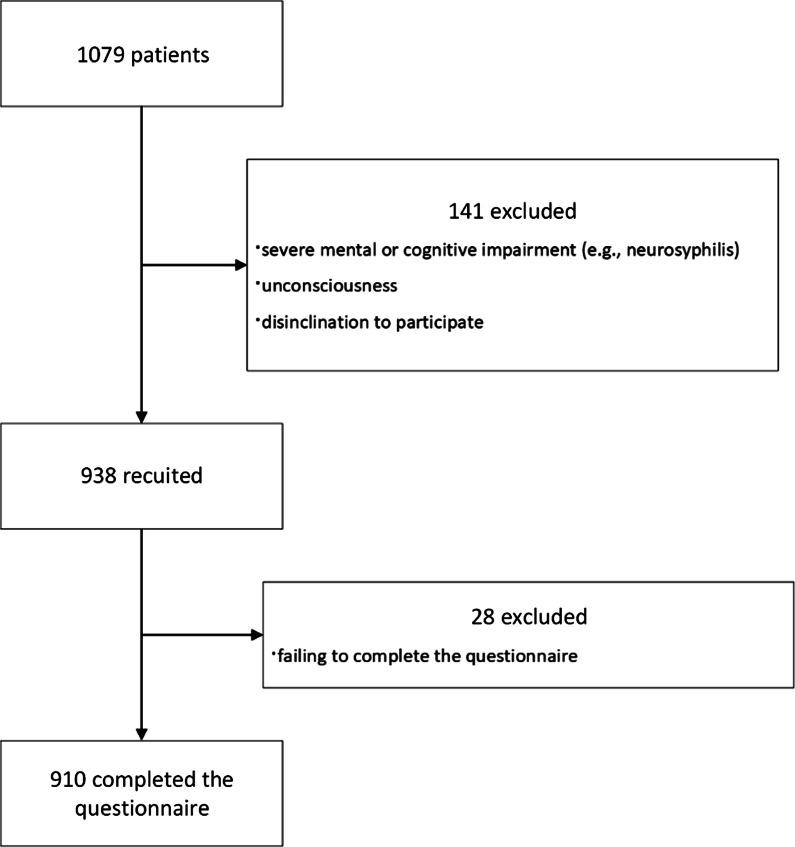
Methods: We recruited 910 patients with STIs (438 males and 472 females; mean age = 38.72, standard deviation [SD] = 13.034) from the Shanghai Skin Disease Hospital using accidental sampling. Baseline descriptive statistics were calculated using R 4.0.0, and a latent variable model was developed using Mplus 7.4.
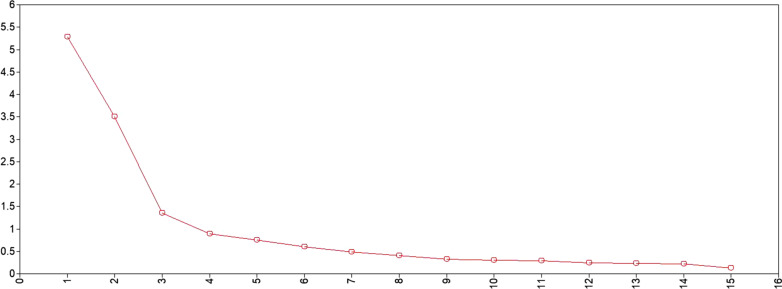
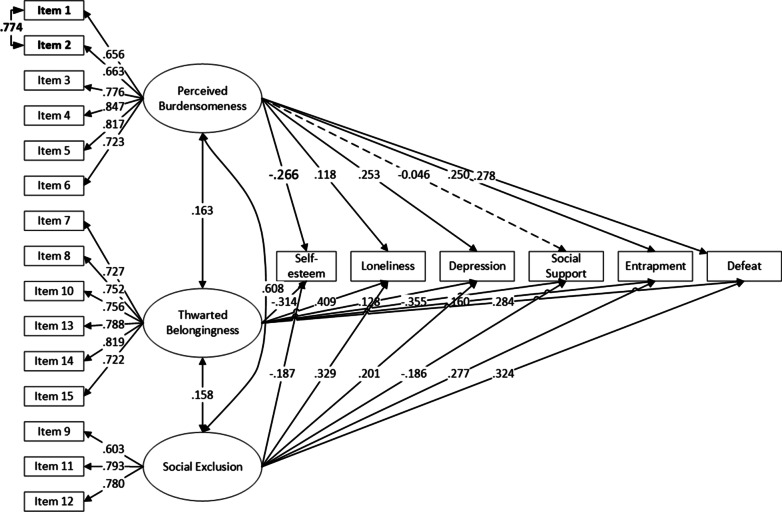
Results: The construct validity results supported a latent variable measurement model with three distinct but related constructs (thwarted belongingness, perceived burdensomeness, and social exclusion) (p < 0.001, χ2/df = 2.475, root mean square error of approximation = 0.057, comparative fit index = 0.931, Tucker-Lewis index = 0.916, standardized root mean residual = 0.044). The Cronbach's α and McDonald's ω values were 0.849 and 0.767 for the total scale, 0.888 and 0.889 for perceived burdensomeness, 0.764 and 0.777 for social exclusion, and 0.892 and 0.893 for thwarted belongingness. Interpersonal needs were significantly associated with low self-esteem (r = 0.539), loneliness (r = 0.573), depression (r = 0.338), entrapment (r = 0.420), defeat (r = 0.579), and low perceived social support (r = 0.424).
Conclusions: This was the first study to highlight social exclusion as a distinct but related dimension of interpersonal needs. This finding indicates that patients with STIs perceive high social exclusion. Therefore, health providers should consider the psychological status of these patients and implement strategies to support their integration into society.
Keywords: Interpersonal Needs Questionnaire; Interpersonal need; Perceived burdensomeness; Sexually transmitted infections; Social exclusion; Thwarted belongingness.
© 2022. The Author(s).
Conflict of interest statement
The authors declare they have no competing interests.
Figures
References
-
- Chen X. Historical perspective on prevention and control of sexually transmitted diseases in the past 70 years in China: progress and achievement. Int J Epidemiol Infect Dis. 2019;46(4):259–263.
-
- Mann LM, Llata E, Flagg EW, Hong J, Asbel L, Carlos-Henderson J, Kerani RP, Kohn R, Pathela P, Schumacher C, et al. Trends in the prevalence of anogenital warts among patients at sexually transmitted disease clinics-sexually transmitted disease surveillance network, United States, 2010–2016. J Infect Dis. 2019;219(9):1389–1397. - PMC - PubMed
-
- William L. Yarber AVP: adolescents and sexually transmitted diseases. J Sch Health. 1992;62(7):331–338. - PubMed
-
- Yin F, Feng Z, Li X. Spatial analysis of primary and secondary syphilis incidence in China, 2004–2010. Int J STD AIDS. 2012;23(12):870–875. - PubMed
MeSH terms
Grants and funding
LinkOut - more resources
Full Text Sources
Medical
Miscellaneous
