


Antibiotic resistance, biofilm production ability and genetic diversity of carbapenem-resistant Pseudomonas aeruginosa strains isolated from nosocomial infections in southwestern Iran
- PMID: 35169997
- PMCID: PMC8853202
- DOI: 10.1007/s11033-022-07225-3
Antibiotic resistance, biofilm production ability and genetic diversity of carbapenem-resistant Pseudomonas aeruginosa strains isolated from nosocomial infections in southwestern Iran
Abstract
Background: This study was aimed to evaluate the antibiotic resistance, biofilm formation, and genetic diversity of carbapenem-resistant Pseudomonas aeruginosa (CRPA) strains isolated from four types of nosocomial infections (NIs) including urinary tract infection (UTI), ventilator-associated pneumonia (VAP), surgical site infection (SSI), and bloodstream infection (BSI).
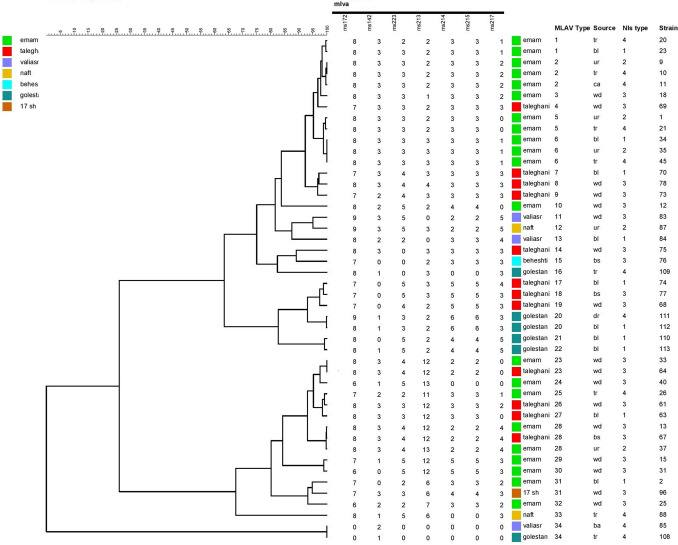
Methods and results: In total, 115 isolates of NIs-causing P. aeruginosa were collected from NIs. Antibiotic susceptibility testing (AST) was performed using disk diffusion method and minimum inhibitory concentrations. Biofilm formation was tested on 96-well polystyrene microtiter plates (MTP). CRPA isolates were genotyped using multiple-locus variable number of tandem repeat analysis (MLVA). The most resistance and susceptibility rates were observed to amikacin (70.6%) and colistin (96.1%), respectively. Colistin and meropenem were the most active antimicrobial agents in VAP, SSI, and BSI. While, colistin and cefepime were the most active in UTIs. In total, 52.2% (n = 60/115) of P. aeruginosa isolates were carbapenem resistant, of which 95.0%, 55.0%, and 5.0% were multidrug-resistant, extensively drug-resistant, and pandrug-resistant, respectively. There was a significant association between resistance to carbapenem and resistance to other antibiotics except for piperacillin/tazobactam. The biofilm production of CRPA isolates was 95.0%, of which 23.3% were strong biofilm producers. Based on MLVA, there were 34 different types of CRPA isolates classified into three main clusters and 5 sub clusters.
Conclusion: The association of CRPA with other antibiotic resistance, the high rates of biofilm production, and the high genetic diversity of the isolates may be a warning of the need for a careful surveillance program.
Keywords: Antibiotic resistance; Biofilm; MLVA; Nosocomial infections; Pseudomonas aeruginosa.
© 2022. The Author(s), under exclusive licence to Springer Nature B.V.
Conflict of interest statement
The authors have no conflict of interest.
Figures

References
-
- Labovská S. Pseudomonas aeruginosa as a cause of nosocomial infections. Pseudomonas aeruginosa-biofilm formation, infections and treatments IntechOpen. 2021 doi: 10.5772/intechopen.9590. - DOI
-
- Mohammadi M, Vaisi Raiegan A, Jalali R, Ghobadi A, Salari N, Barati H. The prevalence of nosocomial infections in Iranian hospitals. J Babol Uni Med Sci. 2019;21:39–45.
MeSH terms
Substances
Grants and funding
LinkOut - more resources
Full Text Sources
