


Combination therapy with artemether and enalapril improves type 1 diabetic nephropathy through enhancing antioxidant defense
- PMID: 35173839
- PMCID: PMC8829612
Combination therapy with artemether and enalapril improves type 1 diabetic nephropathy through enhancing antioxidant defense
Abstract
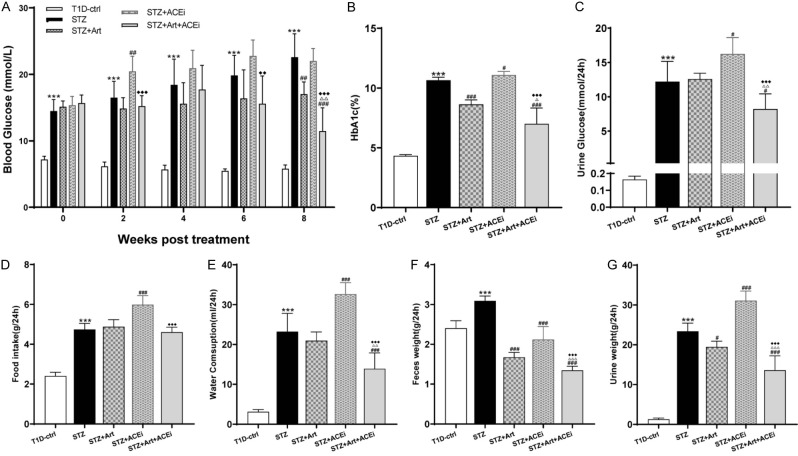
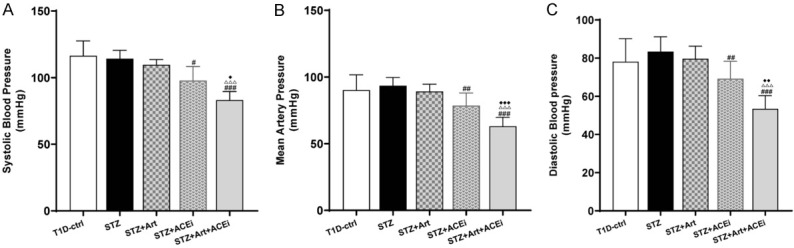
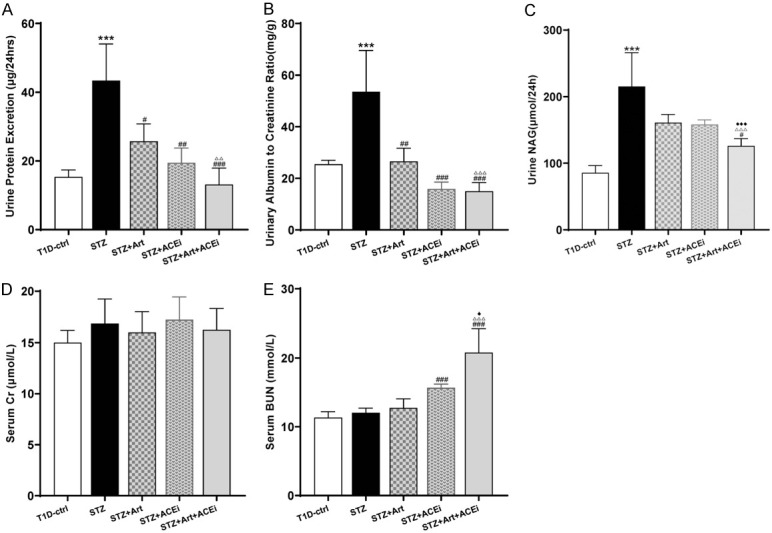
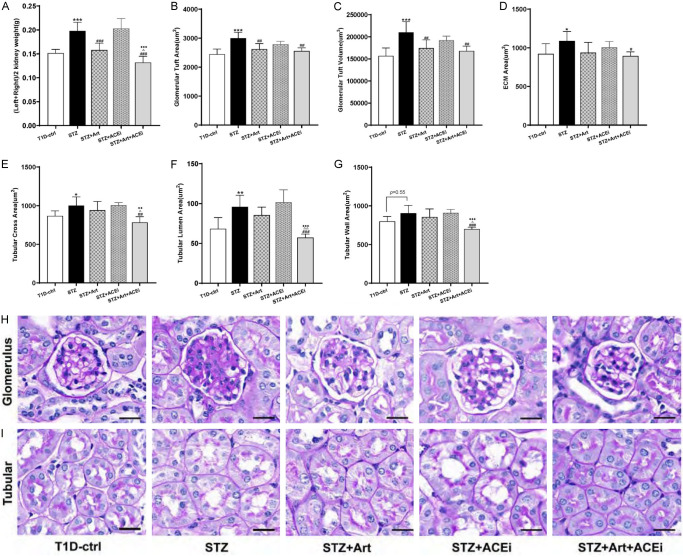
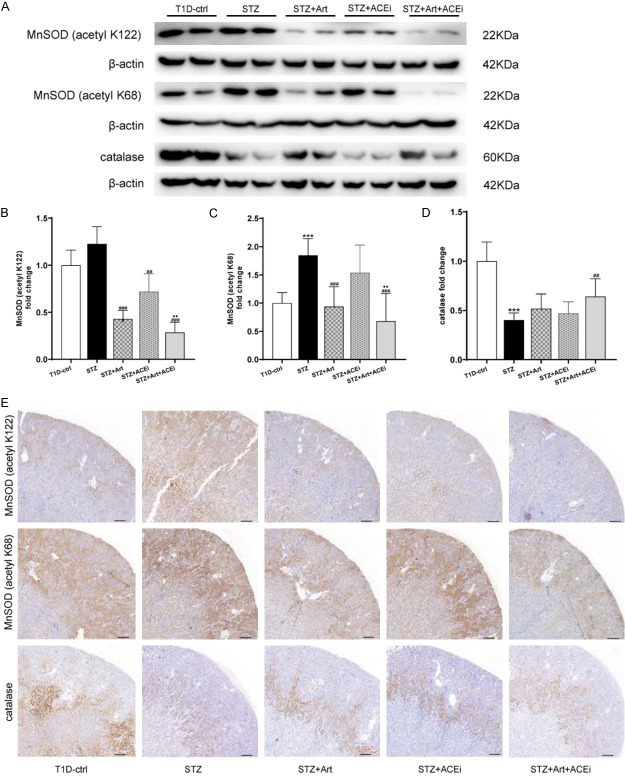
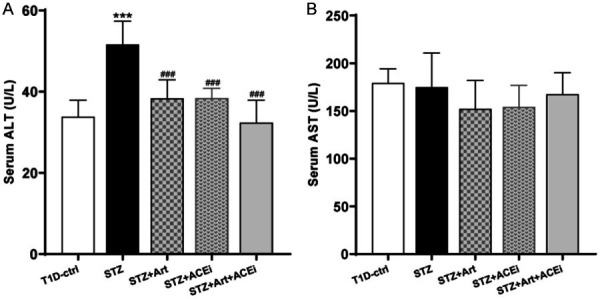
Previous studies have demonstrated that both artemether and enalapril are effective in treating diabetic nephropathy (DN). However, the effects and underlying mechanisms of their combination in treating DN remain unknown. The experimental DN model was induced by injecting streptozotocin (STZ) into male C57BL/6J mice. Mice were randomly allocated to the Type 1 diabetes control (T1D-ctrl), STZ, STZ + artemether (STZ + Art), STZ + enalapril (STZ + ACEi), or STZ + artemether + enalapril (STZ + Art + ACEi) group. The interventions lasted for 8 weeks. At the end of the experiment, related urine and serum biochemical values, such as urinary albumin excretion (UAE) and fasting blood glucose (FBG), were measured. In addition, blood pressure (BP) and kidney morphologic changes were also evaluated. The expression of oxidative stress related molecules, such as catalase, acetylated SOD2 (k68) and acetylated SOD2 (k122) in the kidney were measured. Results: combination therapy showed more pronounced effects in reducing UAE, FBG, and BP than any single drug. Typical diabetic kidney injuries, such as heavier kidney weight, and glomerular and tubular hypertrophy, were also further alleviated by combination therapy. Combination therapy also up-regulated the expression of catalase and down-regulated the expression of acetylated SOD2 (k68) and acetylated SOD2 (k122). Combination therapy with artemether and enalapril exhibited renoprotective effects in STZ-induced T1D mice superior to a single drug. The mechanism might be associated with their synergistic effects in enhancing antioxidant defense.
Keywords: ACEi; Diabetic nephropathy; artemether; combination; enalapril.
AJTR Copyright © 2022.
Conflict of interest statement
None.
Figures
References
-
- Saeedi P, Petersohn I, Salpea P, Malanda B, Karuranga S, Unwin N, Colagiuri S, Guariguata L, Motala AA, Ogurtsova K, Shaw JE, Bright D, Williams R IDF Diabetes Atlas Committee. Global and regional diabetes prevalence estimates for 2019 and projections for 2030 and 2045: results from the International Diabetes Federation Diabetes Atlas, 9th edition. Diabetes Res Clin Pract. 2019;157:107843. - PubMed
-
- Macisaac RJ, Ekinci EI, Jerums G. Markers of and risk factors for the development and progression of diabetic kidney disease. Am J Kidney Dis. 2014;63(Suppl 2):S39–62. - PubMed
-
- Tuttle KR, Bakris GL, Bilous RW, Chiang JL, de Boer IH, Goldstein-Fuchs J, Hirsch IB, Kalantar-Zadeh K, Narva AS, Navaneethan SD, Neumiller JJ, Patel UD, Ratner RE, Whaley-Connell AT, Molitch ME. Diabetic kidney disease: a report from an ADA consensus conference. Diabetes Care. 2014;37:2864–2883. - PMC - PubMed
-
- Forbes JM, Coughlan MT, Cooper ME. Oxidative stress as a major culprit in kidney disease in diabetes. Diabetes. 2008;57:1446–1454. - PubMed
-
- Kandhare AD, Mukherjee A, Bodhankar SL. Antioxidant for treatment of diabetic nephropathy: a systematic review and meta-analysis. Chem Biol Interact. 2017;278:212–221. - PubMed
LinkOut - more resources
Full Text Sources
Molecular Biology Databases