


Reported transfusion-related acute lung injury associated with solvent/detergent plasma - A case series
- PMID: 35174882
- PMCID: PMC9306621
- DOI: 10.1111/trf.16822
Reported transfusion-related acute lung injury associated with solvent/detergent plasma - A case series
Abstract
Background: Antibody-mediated transfusion-related acute lung injury (TRALI) is caused by donor HLA or HNA antibodies in plasma-containing products. In the Netherlands 55,000 units of solvent/detergent plasma (SDP), a pooled plasma product, are transfused yearly. It's produced by combining plasma from hundreds of donors, diluting harmful antibodies. Due to a lack of reported cases following implementation, some have labeled SDP as "TRALI safe".
Study design and methods: Pulmonary transfusion reactions involving SDP reported to the Dutch national hemovigilance network in 2016-2019 were reviewed. Reporting hospitals were contacted for additional information, cases with TRALI and imputability definite, probable, or possible were included and informed consent was sought.
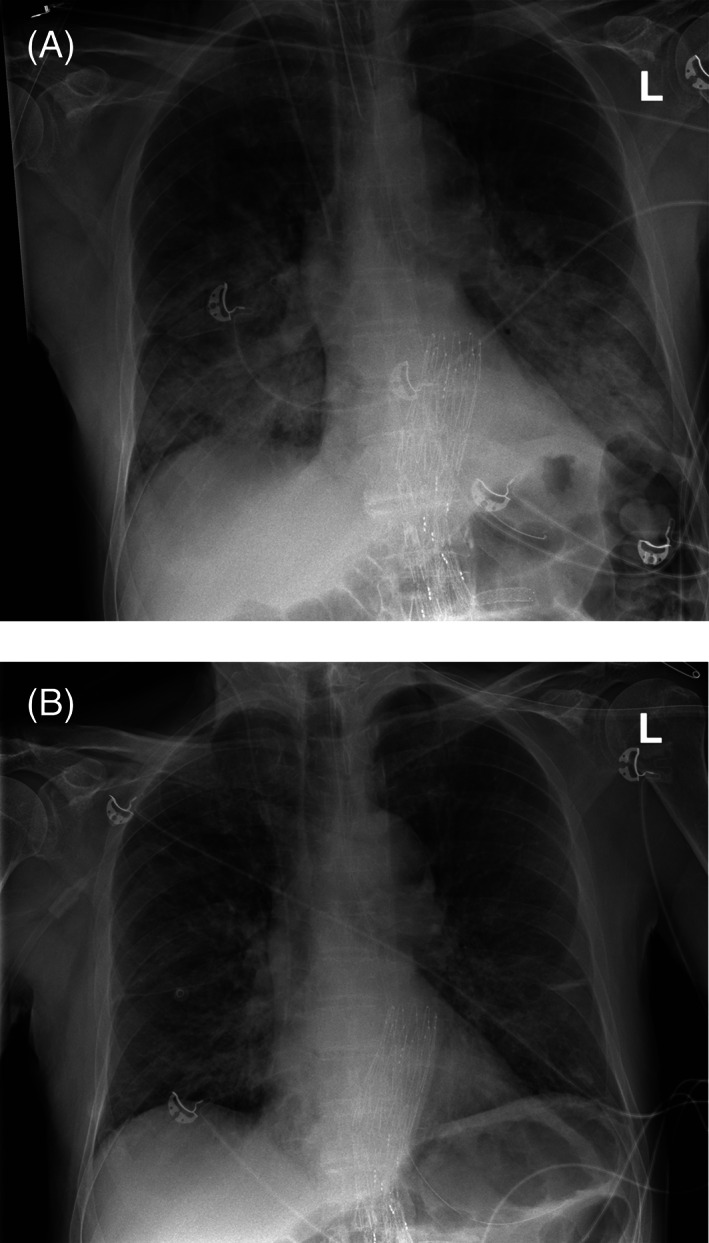
Results: A total of three TRALI and nine TACO cases were reported involving SDP. The imputability of one TRALI case was revised from possible to unlikely and excluded; in one case no informed consent was obtained. We present a case description of TRALI following SDP transfusion in a 69-year-old male, 3 days following endovascular aortic aneurysm repair. The patient received one unit of SDP to correct a heparin-induced coagulopathy, prior to removal of a spinal catheter post-operatively. Within five hours he developed hypoxemic respiratory failure requiring intubation, hypotension, bilateral chest infiltrates, and leucopenia. The patient made a full recovery.
Conclusion: This case of TRALI, following transfusion of a single unit of SDP to a patient without ARDS risk factors, demonstrates that TRALI can occur with this product. Clinicians should remain vigilant and continue to report suspected cases, to help further understanding of SDP-associated TRALI.
Keywords: SDP; TRALI; plasma; solvent/detergent.
© 2022 The Authors. Transfusion published by Wiley Periodicals LLC on behalf of AABB.
Conflict of interest statement
The authors declare that they have no competing interests.
Figures
References
-
- Vlaar AP, Juffermans NP. Transfusion‐related acute lung injury: a clinical review. Lancet. 2013;382:984–94. - PubMed
-
- Vlaar AP, Binnekade JM, Prins D, Stein D, Hofstra JJ, Schultz MJ, et al. Risk factors and outcome of transfusion‐related acute lung injury in the critically ill: a nested case‐control study. Crit Care Med. 2010;38:771–8. - PubMed
-
- Eder AF, Herron RM, Strupp A, et al. Effective reduction of transfusion‐related acute lung injury risk with male‐predominant plasma strategy in the American Red Cross (2006‐2008). Transfusion. 2010;50:1732–42. - PubMed
-
- Schmickl CN, Mastrobuoni S, Filippidis FT, Shah S, Radic J, Murad MH, et al. Male‐predominant plasma transfusion strategy for preventing transfusion‐related acute lung injury: a systematic review. Crit Care Med. 2015;43(1):205–25. - PubMed
-
- Sachs UJH, Kauschat D, Bein G. White blood cell‐reactive antibodies are undetectable in solvent/detergent plasma. Transfusion. 2005;45(10):1628–31. - PubMed
Publication types
MeSH terms
Substances
LinkOut - more resources
Full Text Sources
Medical
Research Materials
