


The Associations Between Gaming Motivation and Internet Gaming Disorder: Systematic Review and Meta-analysis
- PMID: 35175204
- PMCID: PMC8895288
- DOI: 10.2196/23700
The Associations Between Gaming Motivation and Internet Gaming Disorder: Systematic Review and Meta-analysis
Abstract
Background: There has been a surge in interest in examining internet gaming disorder (IGD) and its associations with gaming motivation. Three broad components of gaming motivation have been proposed: achievement, immersion, and social. Achievement-oriented players are motivated by gaining in-game rewards, immersion-oriented players are motivated by the experience of immersion in the virtual world, and social-oriented players are motivated by the need to socialize with other players through gaming.
Objective: This study aimed to (1) quantitatively synthesize the growing body of literature to systematically examine the discrepancies in the magnitude of associations between various components of gaming motivation and IGD and (2) examine the moderating role of cultural dimension on the association between escapism gaming motivation and IGD.
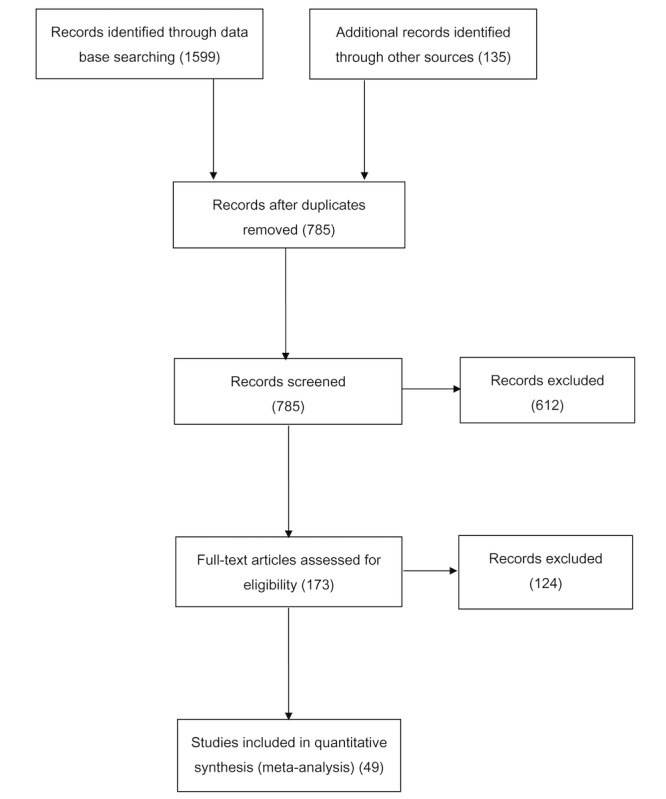
Methods: We conducted a systematic search of multiple databases between 2002 and 2020. Studies were included if they (1) included quantitative data, (2) used measures assessing both gaming motivation and IGD, and (3) contained sufficient information for effect size calculation.
Results: The findings revealed IGD to have a stronger association with achievement motivation (r=0.32) than with immersion (r=0.22) or social motivation (r=0.20), but the strongest such association was found to be with escapism motivation (r=0.40), a subcomponent of immersion motivation. Our cross-cultural comparison further showed a stronger association between escapism motivation and IGD in studies conducted in individualistic (vs collectivistic) regions.
Conclusions: This meta-analysis highlights the importance of acknowledging the discrepancies among different components of gaming motivation with respect to their role in the development of IGD, as well as the potential cultural variations in the strength of such associations.
Keywords: compulsive gaming; cross-cultural comparison, cultural individualism; culture; escapism; gaming disorder; gaming motivation; online gaming; problematic gaming; video gaming.
©Hsin-Yi Wang, Cecilia Cheng. Originally published in JMIR Mental Health (https://mental.jmir.org), 17.02.2022.
Conflict of interest statement
Conflicts of Interest: None declared.
Figures
References
-
- Petry NM, Rehbein F, Gentile DA, Lemmens JS, Rumpf H, Mößle Thomas, Bischof G, Tao R, Fung DSS, Borges G, Auriacombe M, González Ibáñez Angels, Tam P, O'Brien CP. An international consensus for assessing internet gaming disorder using the new DSM-5 approach. Addiction. 2014 Sep 23;109(9):1399–406. doi: 10.1111/add.12457. - DOI - PubMed
-
- Wang H, Cheng C. New perspectives on the prevalence and associated factors of gaming disorder in Hong Kong community adults: A generational approach. Comput Human Behav. 2021 Jan;114:106574. doi: 10.1016/j.chb.2020.106574. - DOI
Publication types
LinkOut - more resources
Full Text Sources
