


Paracetamol (acetaminophen) use in infants and children was never shown to be safe for neurodevelopment: a systematic review with citation tracking
- PMID: 35175416
- PMCID: PMC9056471
- DOI: 10.1007/s00431-022-04407-w
Paracetamol (acetaminophen) use in infants and children was never shown to be safe for neurodevelopment: a systematic review with citation tracking
Abstract
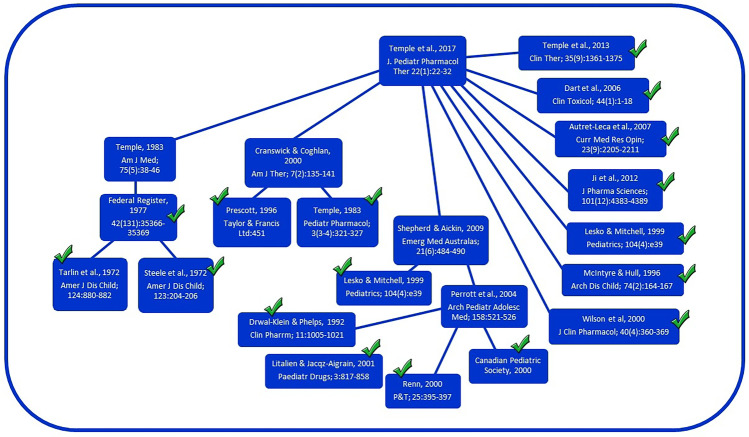
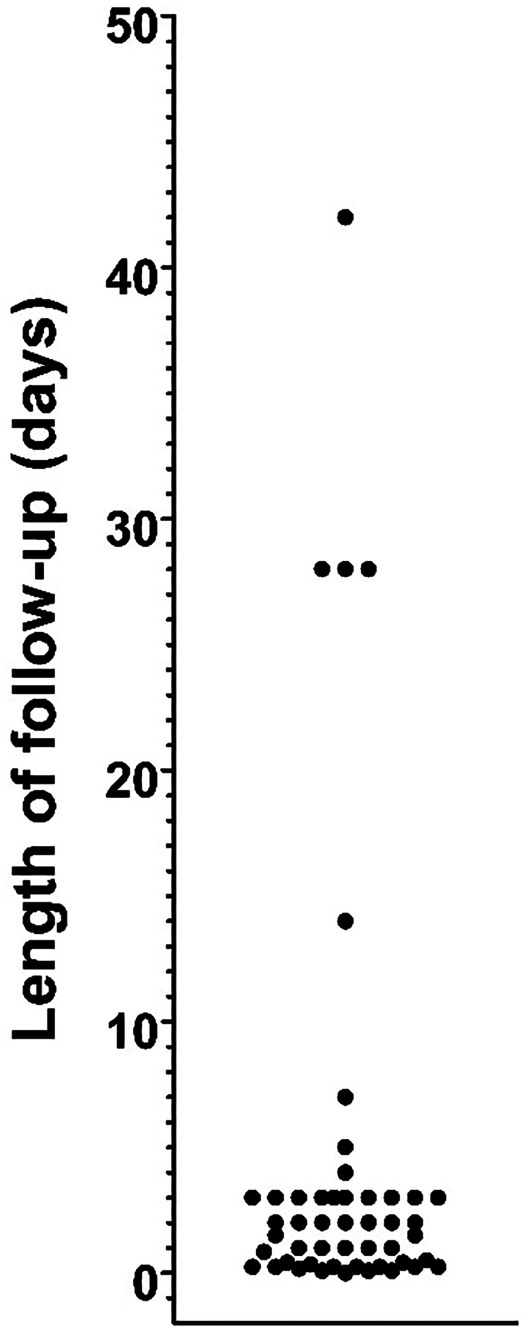
Although widely believed by pediatricians and parents to be safe for use in infants and children when used as directed, increasing evidence indicates that early life exposure to paracetamol (acetaminophen) may cause long-term neurodevelopmental problems. Furthermore, recent studies in animal models demonstrate that cognitive development is exquisitely sensitive to paracetamol exposure during early development. In this study, evidence for the claim that paracetamol is safe was evaluated using a systematic literature search. Publications on PubMed between 1974 and 2017 that contained the keywords "infant" and either "paracetamol" or "acetaminophen" were considered. Of those initial 3096 papers, 218 were identified that made claims that paracetamol was safe for use with infants or children. From these 218, a total of 103 papers were identified as sources of authority for the safety claim. Conclusion: A total of 52 papers contained actual experiments designed to test safety, and had a median follow-up time of 48 h. None monitored neurodevelopment. Furthermore, no trial considered total exposure to drug since birth, eliminating the possibility that the effects of drug exposure on long-term neurodevelopment could be accurately assessed. On the other hand, abundant and sufficient evidence was found to conclude that paracetamol does not induce acute liver damage in babies or children when used as directed. What is Known: • Paracetamol (acetaminophen) is widely thought by pediatricians and parents to be safe when used as directed in the pediatric population, and is the most widely used drug in that population, with more than 90% of children exposed to the drug in some reports. • Paracetamol is known to cause liver damage in adults under conditions of oxidative stress or when used in excess, but increasing evidence from studies in humans and in laboratory animals indicates that the target organ for paracetamol toxicity during early development is the brain, not the liver. What is New: • This study finds hundreds of published reports in the medical literature asserting that paracetamol is safe when used as directed, providing a foundation for the widespread belief that the drug is safe. • This study shows that paracetamol was proven to be safe by approximately 50 short-term studies demonstrating the drug's safety for the pediatric liver, but the drug was never shown to be safe for neurodevelopment. Paracetamol is widely believed to be safe for infants and children when used as directed, despite mounting evidence in humans and in laboratory animals indicating that the drug is not safe for neurodevelopment. An exhaustive search of published work cited for safe use of paracetamol in the pediatric population revealed 52 experimental studies pointing toward safety, but the median follow-up time was only 48 h, and neurodevelopment was never assessed.
Keywords: Autism; Behavior; Child; Infant; Neurodevelopment.
© 2022. The Author(s).
Conflict of interest statement
The authors declare no competing interests.
Figures
References
-
- Betz MG, Grunfeld AF. ‘Fever phobia’ in the emergency department: a survey of children’s caregivers. Eur J Emerg Med. 2006;13(3):129–133. - PubMed
Publication types
MeSH terms
Substances
LinkOut - more resources
Full Text Sources
Medical
