


Task-specific fear influences abnormal trunk motor coordination in workers with chronic low back pain: a relative phase angle analysis of object-lifting
- PMID: 35180874
- PMCID: PMC8857807
- DOI: 10.1186/s12891-022-05118-x
Task-specific fear influences abnormal trunk motor coordination in workers with chronic low back pain: a relative phase angle analysis of object-lifting
Abstract
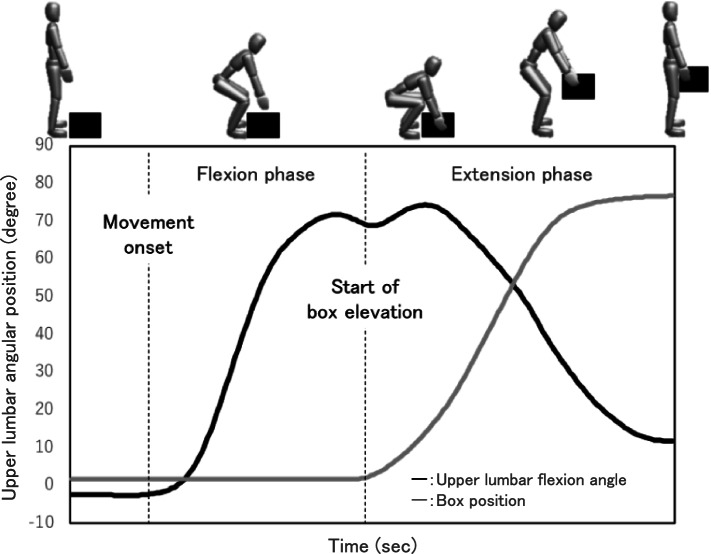
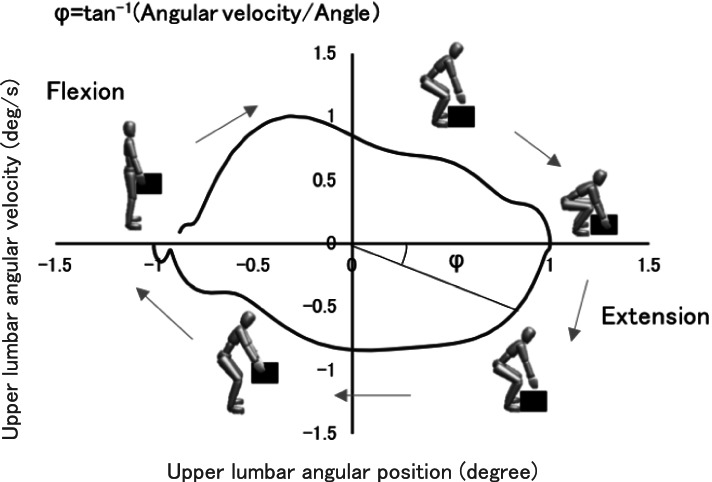
Background: Pain-related fear influences impaired trunk movement (e.g., limited movement of range and velocity), but it is unclear how fear relates to trunk motor coordination (e.g., a more "in-phase" upper-lower trunk motion pattern). We conducted the present study to: (1) identify the motor coordination pattern of the in-phase upper-lower lumbar movements during the lifting, and (2) determine how pain-related fear is related to the trunk coordination pattern in workers with chronic low back pain (CLBP).
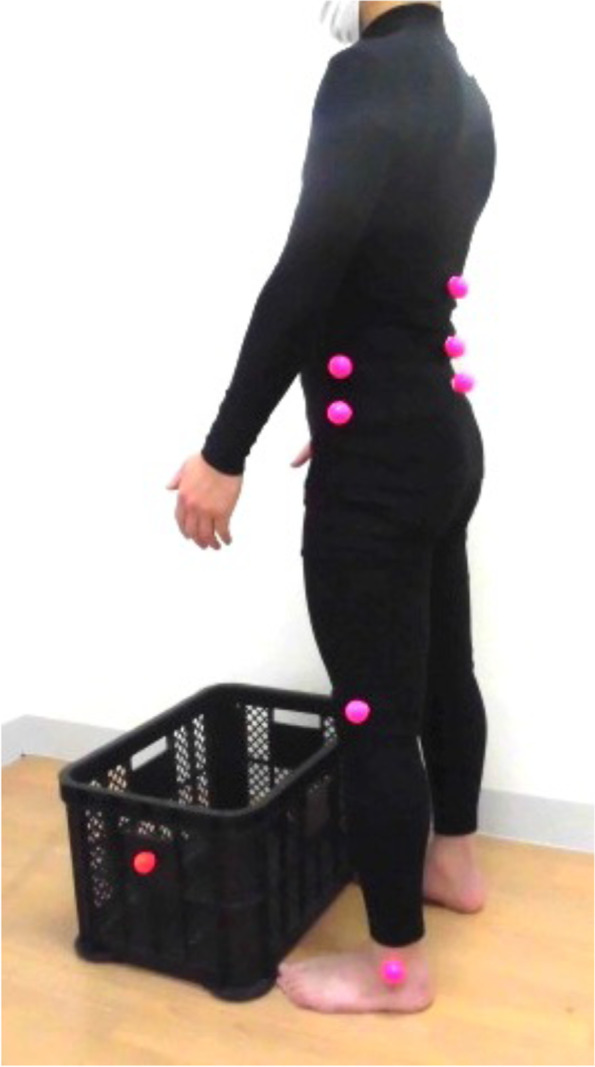
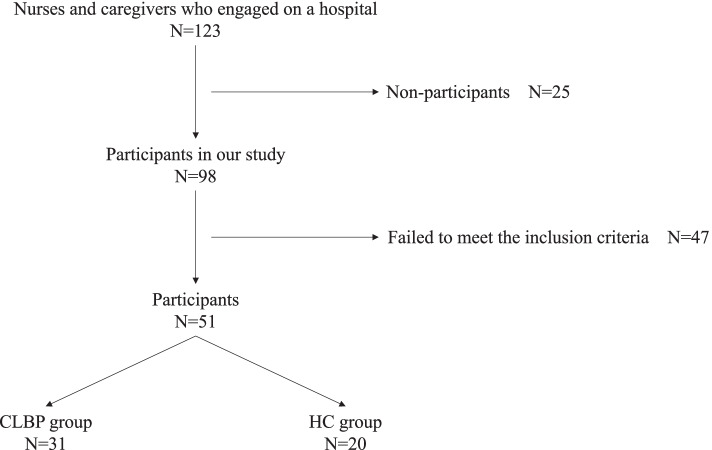
Methods: We examined 31 male workers with CLBP (CLBP group) and 20 healthy controls with no history of CLBP (HC group). The movement task was lifting a box, the weight of which was 10, 30%, or 50% of the subject's body weight. We used a 3D motion capture system to calculate the mean absolute relative phase angle (MARP) angle as an index of coordination and the mean deviation phase (DP) as an index of variability. We used a numerical rating scale to assess the subjects' task-specific fear.
Results: The MARP angle during trunk extension movement in the 50% condition was significantly decreased in the CLBP group compared to the HCs; i.e., the upper lumbar movement was more in-phase with the lower lumbar movement. The hierarchical multiple regression analysis results demonstrated that a decreased MARP angle was associated with high task-specific fear.
Conclusions: A more 'in-phase' upper-lower lumbar movement pattern was predicted by task-specific fear evoked when performing a work-related activity. Our findings suggest that an intervention for task-specific fear may be necessary to improve an individual's impaired trunk motor coordination.
Keywords: A relative phase angle analysis; Deviation phase; Kinematic; Lifting; Low back pain; Mean absolute relative phase; Work-related activity.
© 2022. The Author(s).
Conflict of interest statement
The authors declare that they have no competing interests.
Figures
References
-
- Feldman JB. The prevention of occupational low back pain disability: evidence-based reviews point in a new direction. J Surg Orthop Adv. 2004;13:1–14. - PubMed
-
- Thiese MS, Hegmann KT, Wood EM, Garg A, Moore JS, Kapellusch JM, et al. Low-back pain ratings for lifetime, 1-month period, and point prevalences in a large occupational population. Hum Factors. 2014;56:86–97. - PubMed
-
- Cedraschi C, Luthy C, Allaz AF, Herrmann FR, Ludwig C. Low back pain and health-related quality of life in community-dwelling older adults. Eur Spine J. 2016;25:2822–2832. - PubMed
-
- Dagenais S, Caro J, Haldeman S. A systematic review of low back pain cost of illness studies in the United States and internationally. Spine J. 2008;8:8–20. - PubMed
MeSH terms
LinkOut - more resources
Full Text Sources
