Review
. 2022 Apr;8(4):303-315.
doi: 10.1016/j.trecan.2022.01.013. Epub 2022 Feb 18.

The spectrum of sex differences in cancer

Affiliations
Review

The spectrum of sex differences in cancer

Joshua B Rubin. Trends Cancer. 2022 Apr.

Abstract

Sex differences in cellular and systems biology have been evolutionarily selected to optimize reproductive success in all species with little (sperm) and big (ova) gamete producers. They are evident from the time of fertilization and accrue throughout development through genetic, epigenetic, and circulating sex hormone-dependent mechanisms. Among other effects, they significantly impact on chromatin organization, metabolism, cell cycle regulation, immunity, longevity, and cancer risk and survival. Sex differences in cancer should be expected and accounted for in basic, translational, and clinical oncology research.

Keywords: DNA repair; X chromosome; cancer; immunity; sex differences; tumor suppressor.


Figures

Figure 1:
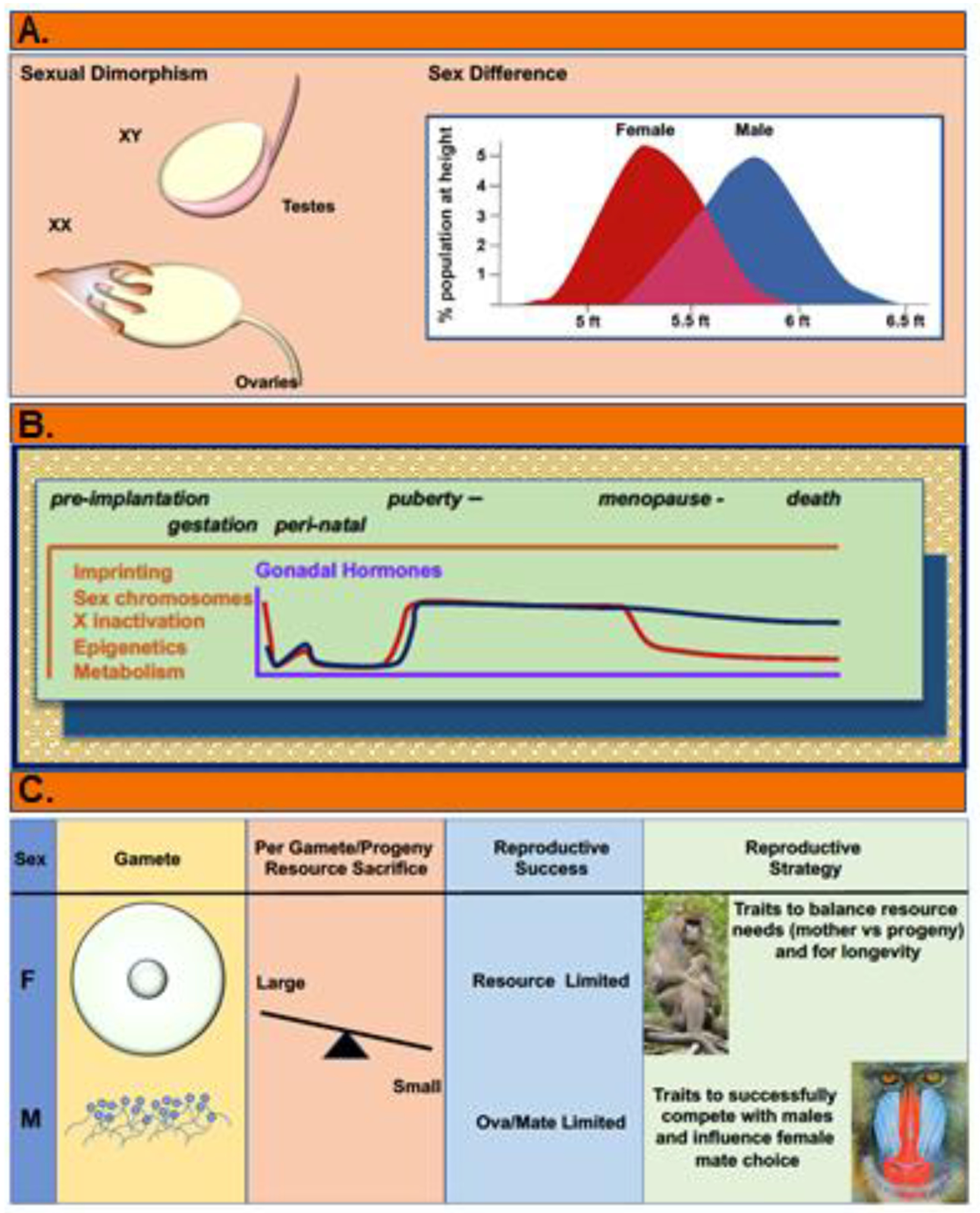
Figure 1:. The Nature of Sex Differences.
(A) Sexual dimorphism refers to dichotomous differences such as ovaries versus testes. Most differences between males and females are not dichotomous. Rather they are more akin to sex differences in height in which the extremes of human heights are distinctly female vs male but the bulk of the population have heights between these poles, and substantially overlap. This is the nature of sex differences in cancer. Thus, we should expect that sex differences in cancer will lie along a spectrum and that optimal personalized cancer treatment will sex-adapted, not sex-specific. (B) Sex differences accrue and change in magnitude across the lifespan as a consequence of genetic and gonadal hormone influences on epigenetics, gene expression and metabolism at the cellular and systems levels. Key to cancer risks and response to treatment are the resultant differences in growth regulation and metabolism that are extant from the time of fertilization at the cellular level, and the systems level differences in metabolism, immunity, mutational burden and aging. (C) Sexual selection is the evolutionary process by which sex specific reproductive biology have been optimized. The fulcrum for sexual selection across species involves the abundance of big (ova) and little (sperm) gametes, and the per progeny resource sacrifice made by the gamete producers. Per progeny resource sacrifice is a parameter that is measured from the resources required for gamete production, for gestation of fetuses and nurturing of newborns, as well as differing requirements for longevity (tissue maintenance, disease protection). Per progeny resource sacrifice is large and limiting for female reproductive success whereas it is quite small for males and has little impact on their reproductive success. For males, reproductive success is limited by their access to females. These alternate pressures drive the independent selection of female and male traits to optimize their reproductive success.
Figure 2:
Figure 2:
The normal biology of sex differences directly impacts on cancer incidence. Many elements of cancer biology exhibit substantial sex differences. These differences frequently correlate with sex differences in cancer incidence, response to treatment, and survival. Among these are: 1) the basal sex differences in ROS regulation and DNA repair, 2) X chromosome effects on expression of mutant alleles, and regulation of the p53 network, 3) the profound sex differences in immunity, 4) Multiple other mechanisms that affect stem cell biology, tissue maintenance and longevity, cellular and systemic metabolism, particularly those elements that affect drug pharmacokinetics.
Figure 3:
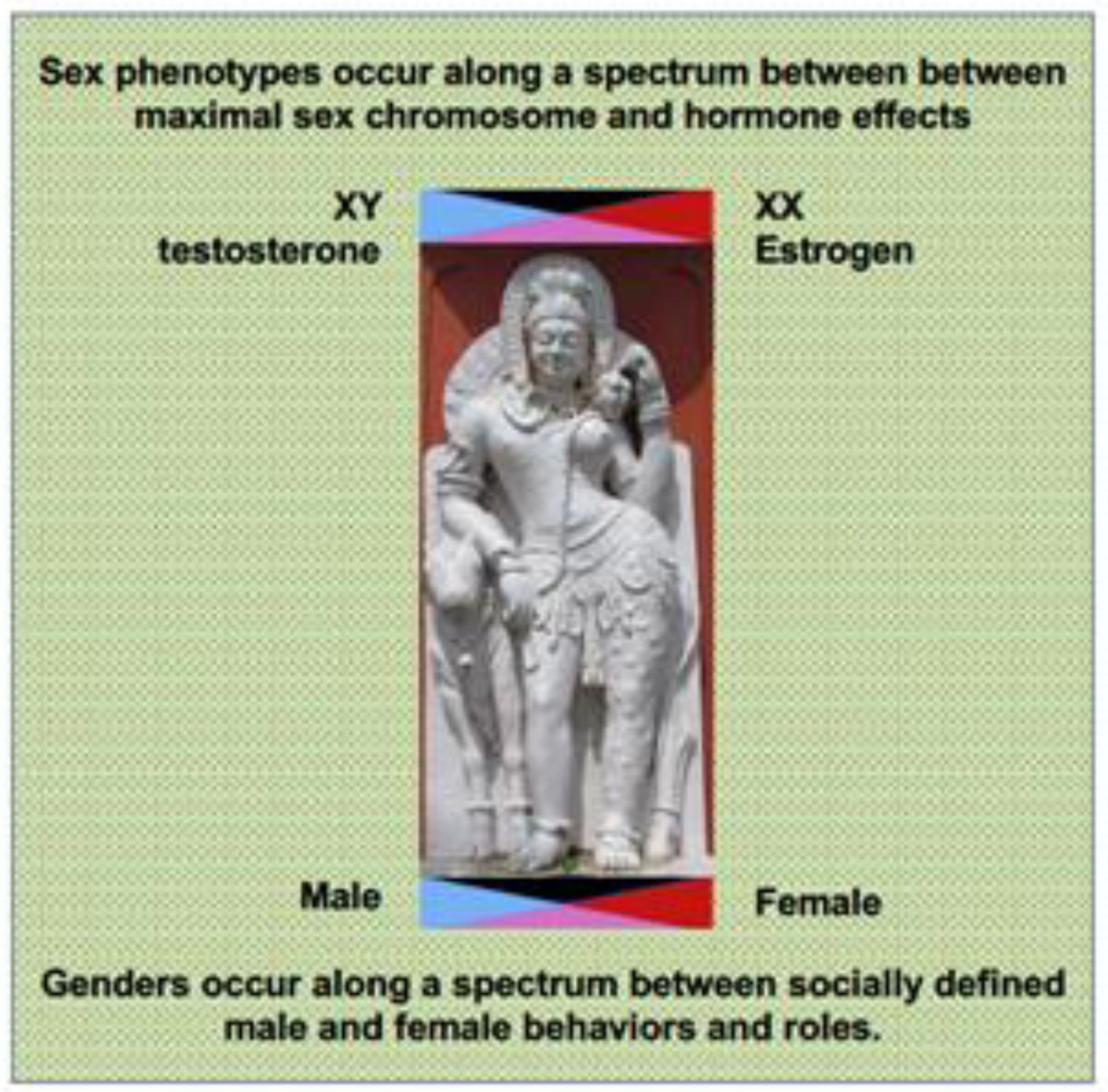
Figure 3:
The spectrum of sex and gender differences affect multiple aspects of normal developmental biology, aging and disease. These differences will need to be completely cataloged and characterized to determine which have significant impact on cancer incidence, treatment response, and survival.

References

    1. Dong M, et al. , Sex Differences in Cancer Incidence and Survival: A Pan-Cancer Analysis. Cancer Epidemiol Biomarkers Prev, 2020. 29(7): p. 1389–1397. - PubMed
    1. Monterroso P, et al. , Racial/ethnic and sex differences in young adult malignant brain tumor incidence by histologic type. Cancer Epidemiol, 2021. 76: p. 102078. - PMC - PubMed
    1. Scelo G, et al. , Variability of Sex Disparities in Cancer Incidence over 30 Years: The Striking Case of Kidney Cancer. Eur Urol Focus, 2018. 4(4): p. 586–590. - PubMed
    1. Sun T, Warrington NM, and Rubin JB, Why does Jack, and not Jill, break his crown? Sex disparity in brain tumors. Biol Sex Differ, 2012. 3: p. 3. - PMC - PubMed
    1. Carey JL, et al. , Drugs and Medical Devices: Adverse Events and the Impact on Women’s Health. Clin Ther, 2017. 39(1): p. 10–22. - PMC - PubMed

Publication types