Review
. 2022 Feb 22;17(1):27.
doi: 10.1186/s13020-022-00571-1.

Tea and tea drinking: China's outstanding contributions to the mankind

Affiliations
Review

Tea and tea drinking: China's outstanding contributions to the mankind

Si-Yuan Pan et al. Chin Med. .

Abstract

Background: Tea trees originated in southwest China 60 million or 70 million years ago. Written records show that Chinese ancestors had begun drinking tea over 3000 years ago. Nowadays, with the aging of populations worldwide and more people suffering from non-communicable diseases or poor health, tea beverages have become an inexpensive and fine complementary and alternative medicine (CAM) therapy. At present, there are 3 billion people who like to drink tea in the world, but few of them actually understand tea, especially on its development process and the spiritual and cultural connotations.

Methods: We searched PubMed, Google Scholar, Web of Science, CNKI, and other relevant platforms with the key word "tea", and reviewed and analyzed tea-related literatures and pictures in the past 40 years about tea's history, culture, customs, experimental studies, and markets.

Results: China is the hometown of tea, tea trees, tea drinking, and tea culture. China has the oldest wild and planted tea trees in the world, fossil of a tea leaf from 35,400,000 years ago, and abundant tea-related literatures and art works. Moreover, tea may be the first Chinese herbal medicine (CHM) used by Chinese people in ancient times. Tea drinking has many benefits to our physical health via its antioxidant, anti-inflammatory, immuno-regulatory, anticancer, cardiovascular-protective, anti-diabetic, and anti-obesity activities. At the moment, COVID-19 is wreaking havoc across the globe and causing severe damages to people's health and lives. Tea has anti-COVID-19 functions via the enhancement of the innate immune response and inhibition of viral growth. Besides, drinking tea can allow people to acquire a peaceful, relaxed, refreshed and cheerful enjoyment, and even longevity. According to the meridian theory of traditional Chinese medicine, different kinds of tea can activate different meridian systems in the human body. At present, black tea (fermented tea) and green tea (non-fermented tea) are the most popular in the world. Black tea accounts for over 90% of all teas sold in western countries. The world's top-grade black teas include Qi Men black in China, Darjeeling and Assam black tea in India, and Uva black tea in Sri Lanka. However, all top ten famous green teas in the world are produced in China, and Xi Hu Long Jing tea is the most famous among all green teas. More than 700 different kinds of components and 27 mineral elements can be found in tea. Tea polyphenols and theaflavin/thearubigins are considered to be the major bioactive components of black tea and green tea, respectively. Overly strong or overheated tea liquid should be avoided when drinking tea.

Conclusions: Today, CAM provides an array of treatment modalities for the health promotion in both developed and developing countries all over the world. Tea drinking, a simple herb-based CAM therapy, has become a popular man-made non-alcoholic beverage widely consumed worldwide, and it can improve the growth of economy as well. Tea can improve our physical and mental health and promote the harmonious development of society through its chemical and cultural elements.

Keywords: COVID-19; Harmonious society; Human health; Tea; Tea beverage; Tea culture.


Conflict of interest statement

The authors declare that they have no competing interests.

Figures
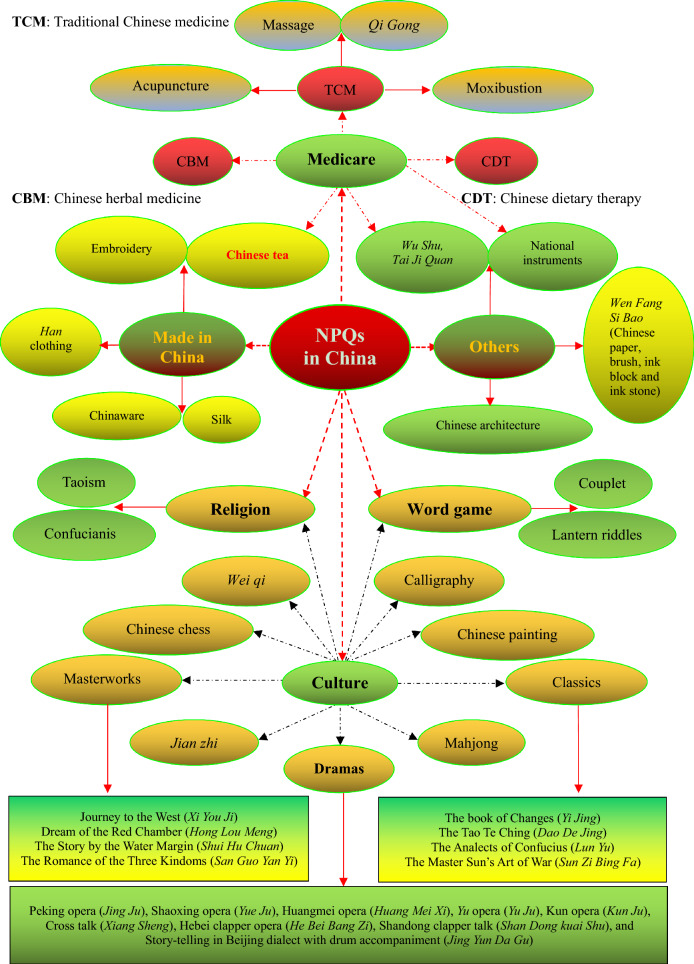
Fig. 1
Fig. 1
The national peculiar quintessences/treasures (NPQs, 国粹) in China
Fig. 2
Fig. 2
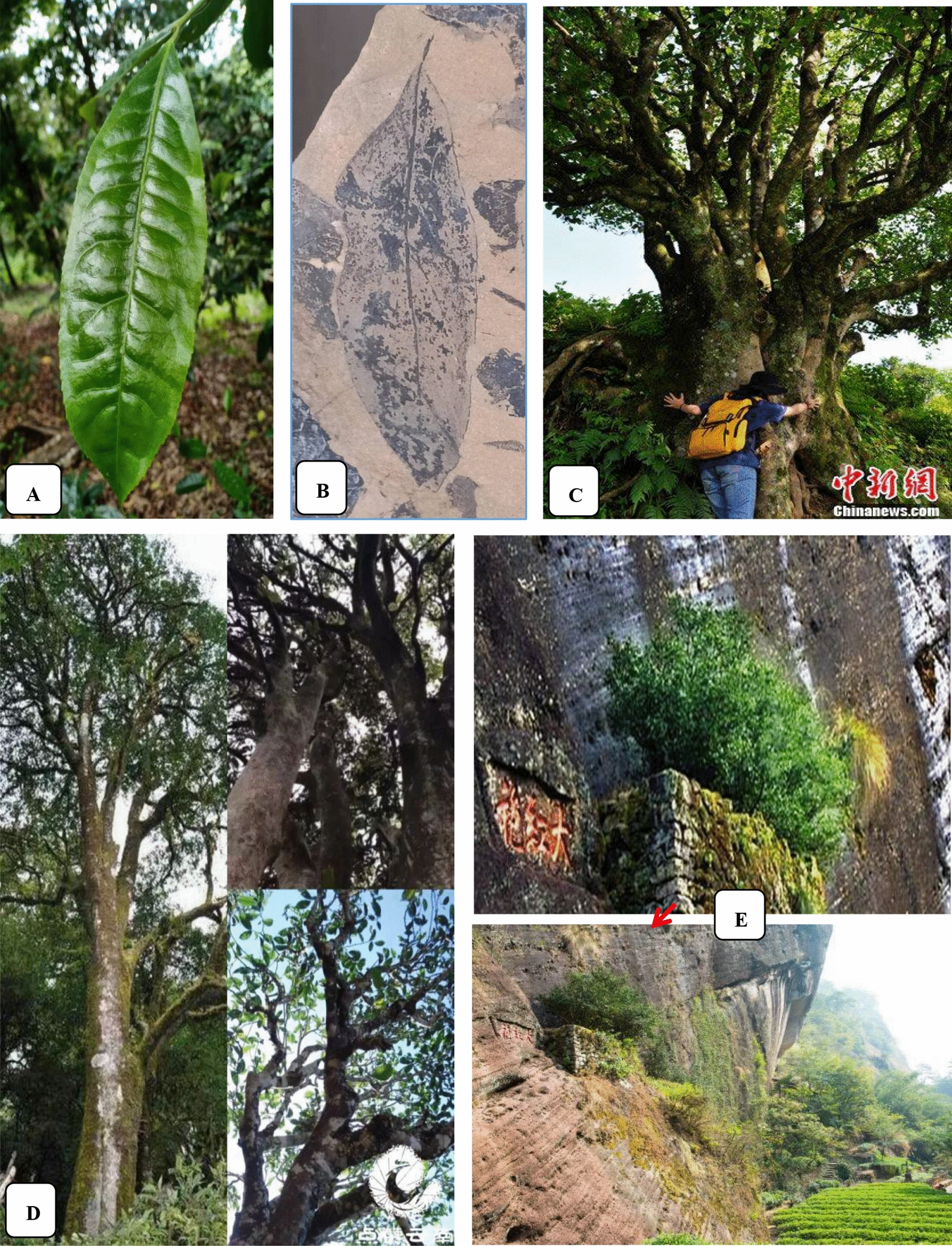
Current tea leaf, fossil of tea leaf, and the oldest tea tree in China. A Current tea leaf; B Fossil of tea leaf in 35,400,000 years ago; C 3200-year-old planted. Data (C, D, E) from http://www.chinanews.com/tp/2012/08-10/4098604_2.shtml#nextpage and http://www.360doc.com/content/15/0506/09/2788370_468401856.shtml
Fig. 3
Fig. 3
Current status of tea industry and tea cultivation in China
Fig. 4
Fig. 4
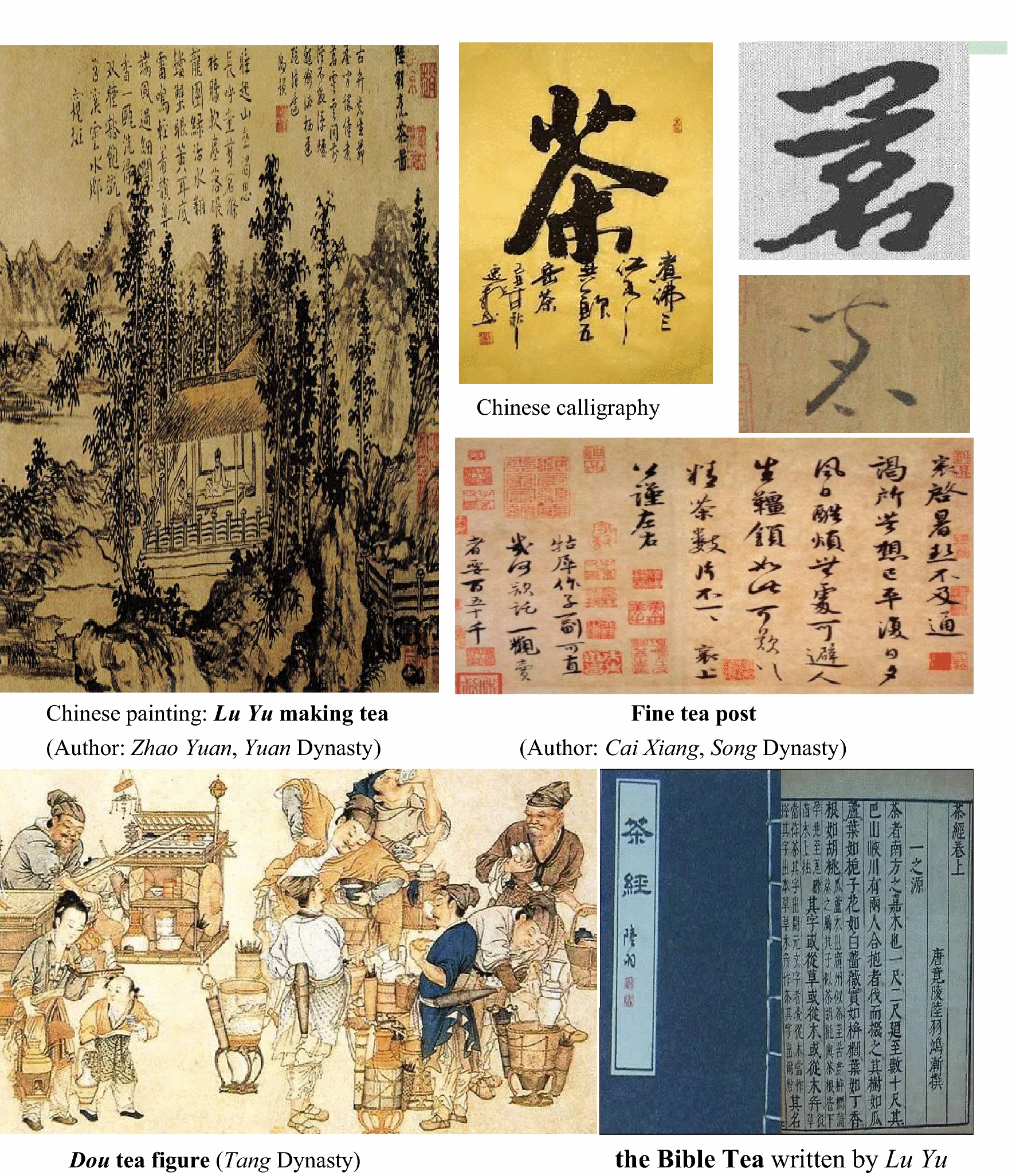
Tea painting and calligraphy in China. Data from https://www.sohu.com/a/296056238_817830, https://baike.so.com/gallery/list?ghid=first&pic_idx=1&eid=5396387&sid=5633577, and https://baike.so.com/gallery/list?ghid=first&pic_idx=1&eid=4525889&sid=4735964
Fig. 5
Fig. 5
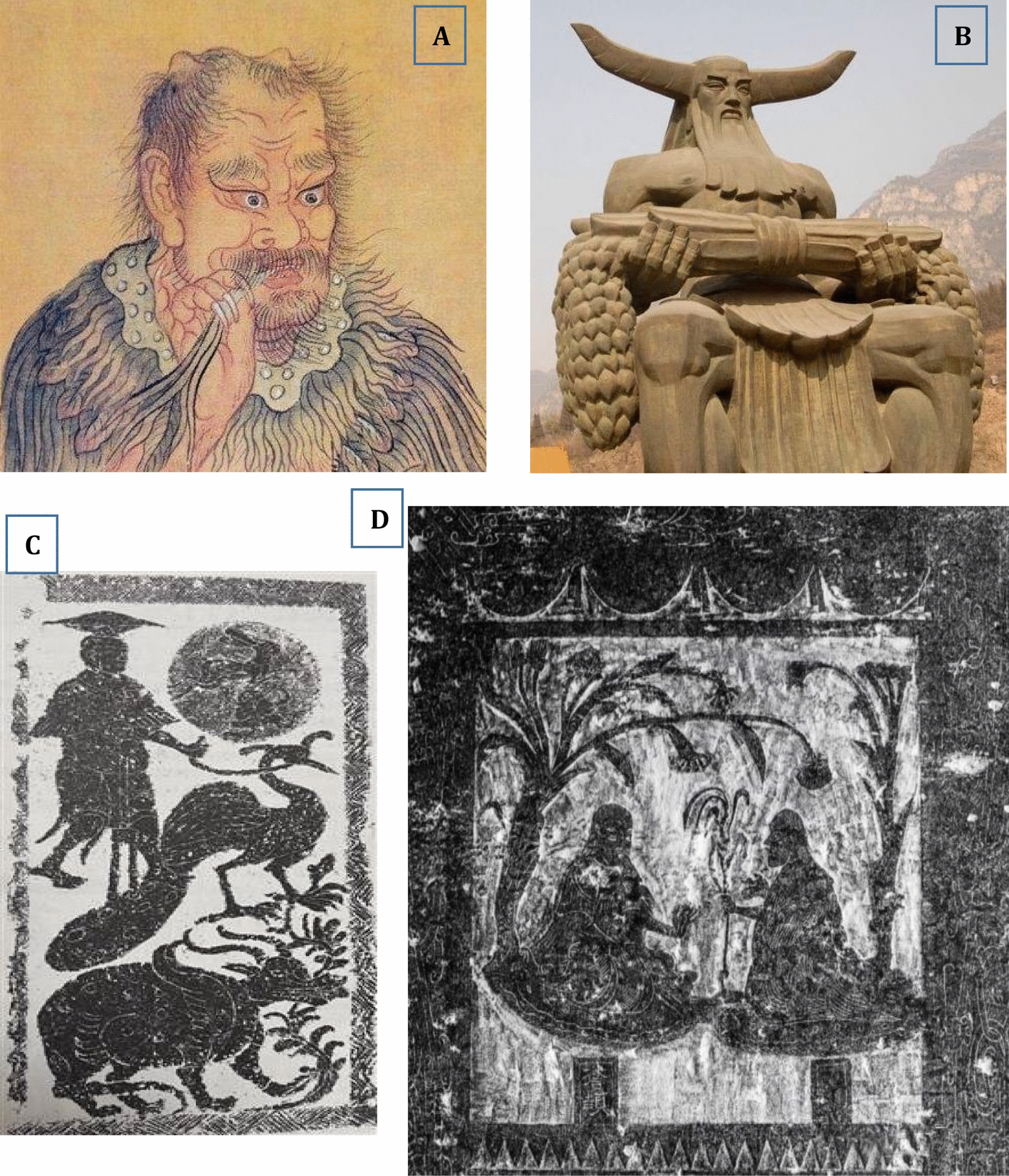
Shen Nong (神农), the inventor of agriculture and medicine in China. Data from https://www.360kuai.com/pc/9a0ea12eadc6c1414?cota=3&kuai_so=1 (A), https://www.photophoto.cn/tupian/shennongdiaosu.html (B), http://www.chinaknowledge.de/History/Myth/personsshennong.html (C), and https://w.dzwww.com/p/4848002.html (D)
Fig. 6
Fig. 6
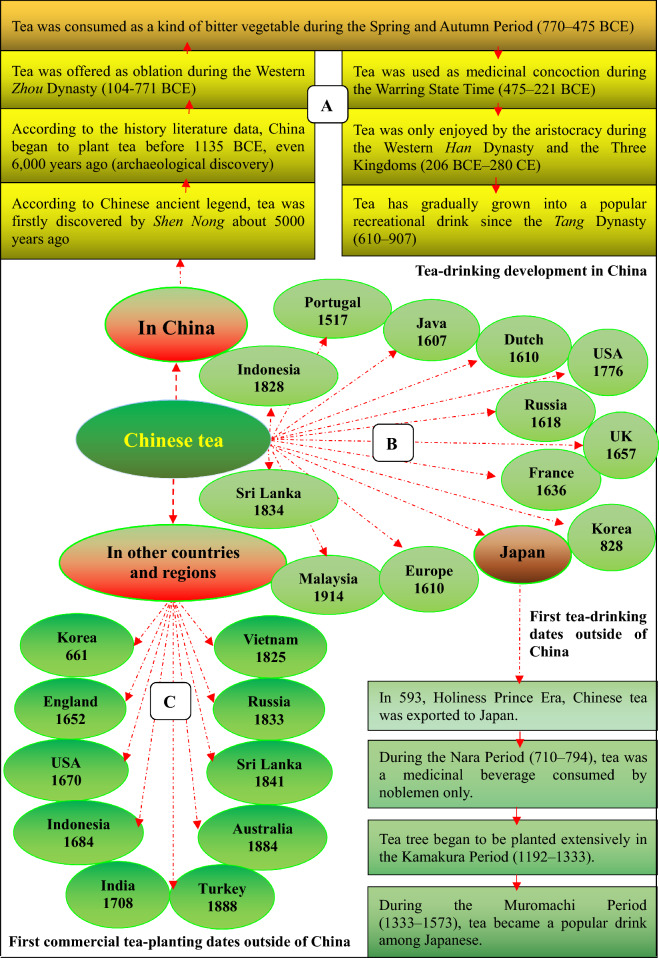
The dissemination of Chinese tea in the world
Fig. 7
Fig. 7
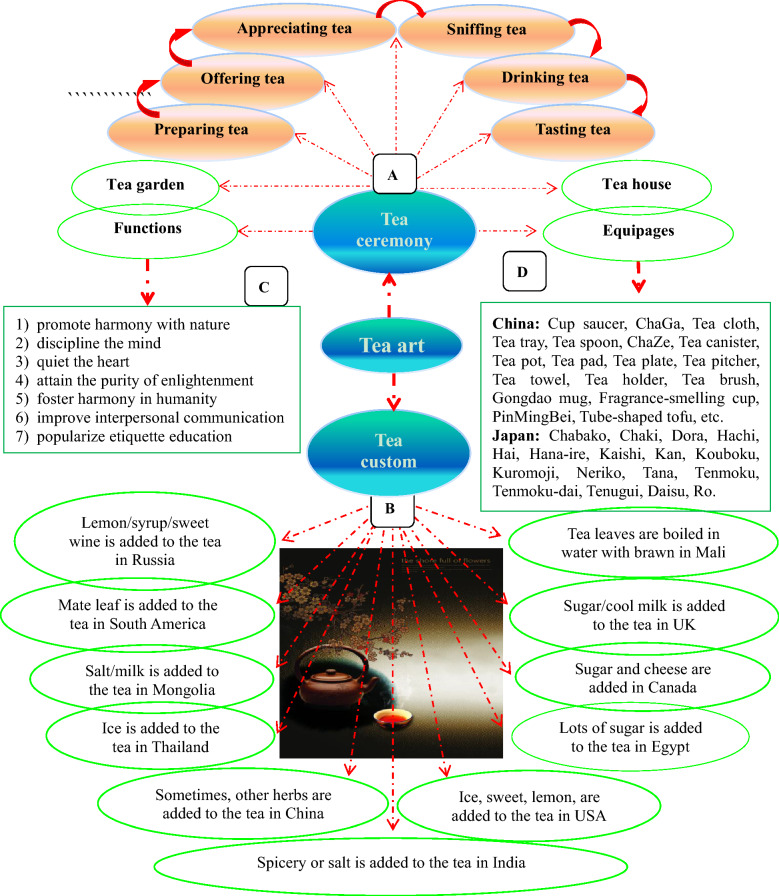
Tea culture/art: tea ceremony (A) and tea custom (B)
Fig. 8
Fig. 8
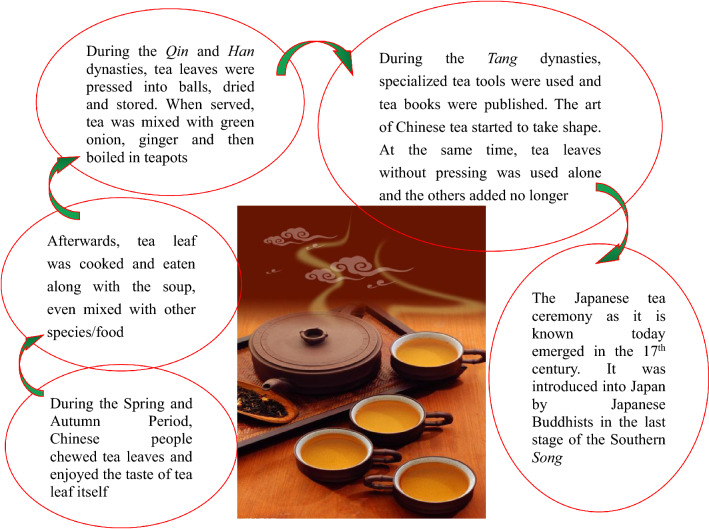
Development of tea custom/ceremony
Fig. 9
Fig. 9
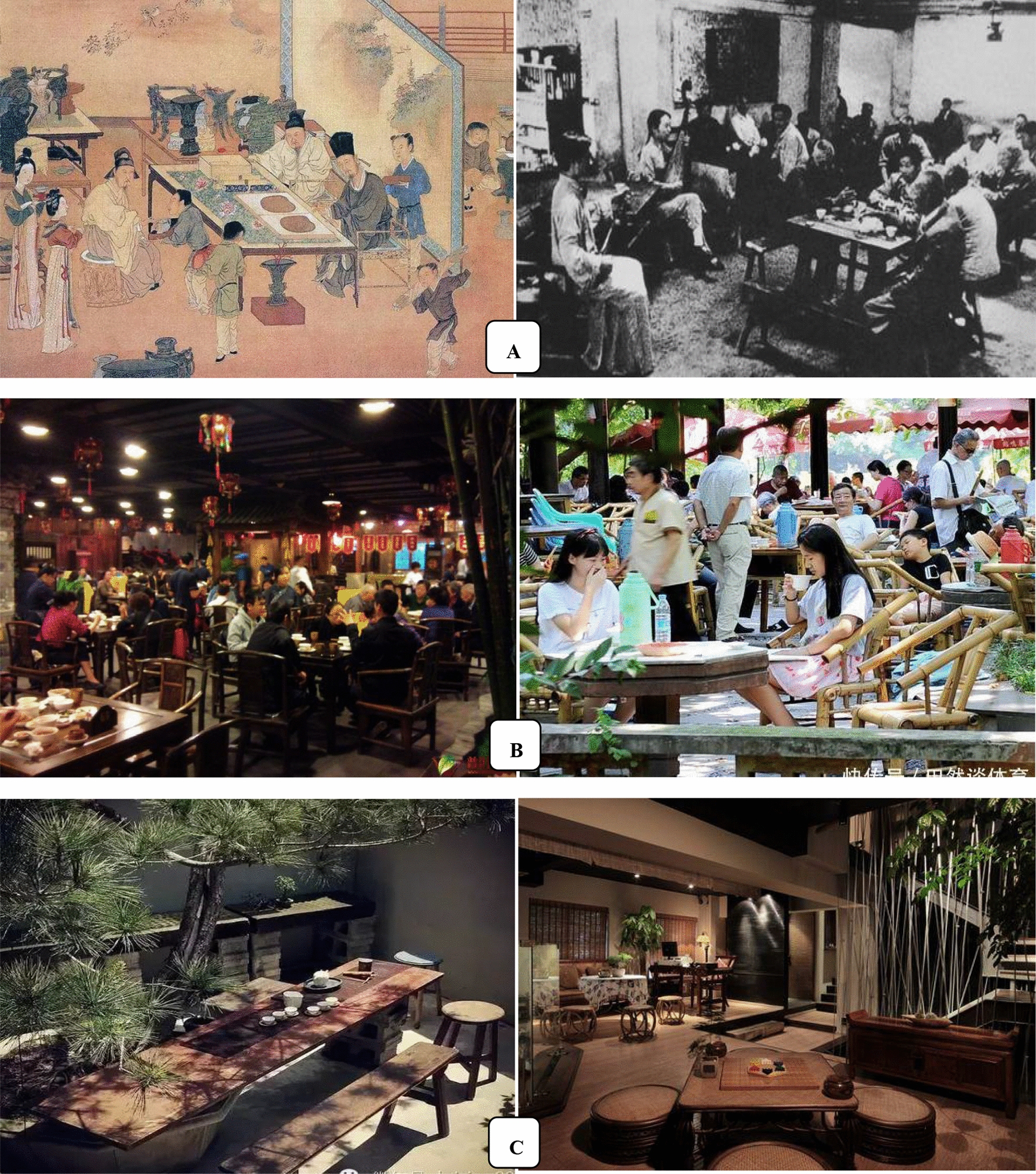
Tea house (茶馆) in China. A Old tea house; B popular tea house nowadays; C high-end tea house nowadays. Data from http://www.360doc.com/content/19/0429/16/6795100_832319897.shtml (A) and https://image.so.com/i?src=360pic_strong&z=1&i=0&cmg=15484592.2804341344203044000.1611559700524.4019&q=%E4%B8%AD%E5%9B%BD%E8%8C%B6%E9%A6%86 (B and C)
Fig. 10
Fig. 10
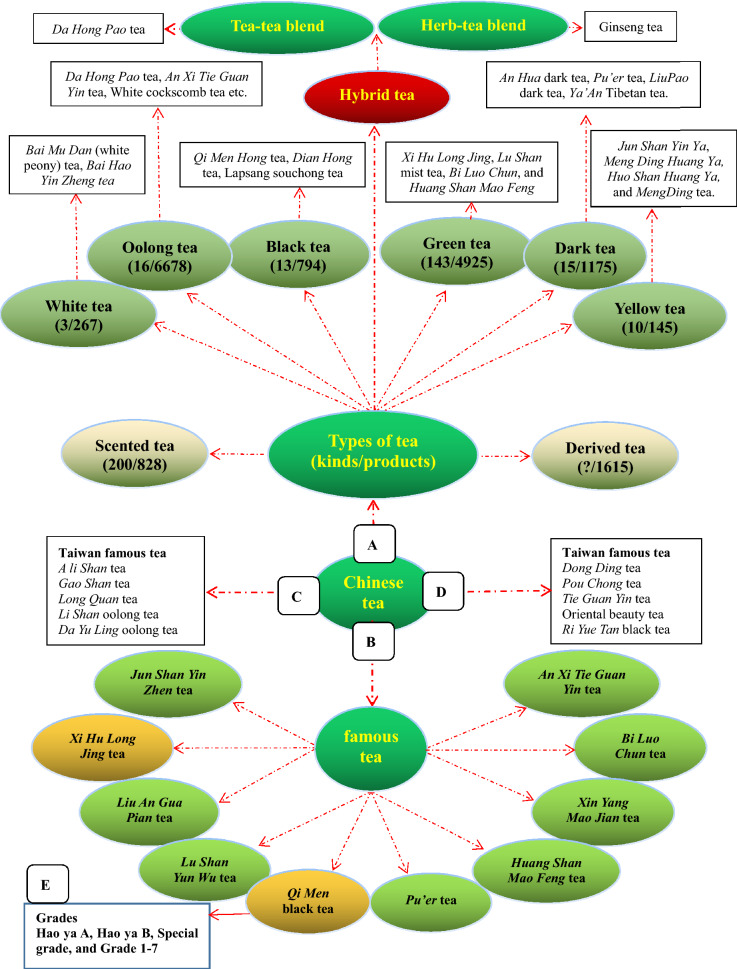
Tea forms (A), famous teas (B, C, D), and Qi Men black tea grade (E)
Fig. 11
Fig. 11
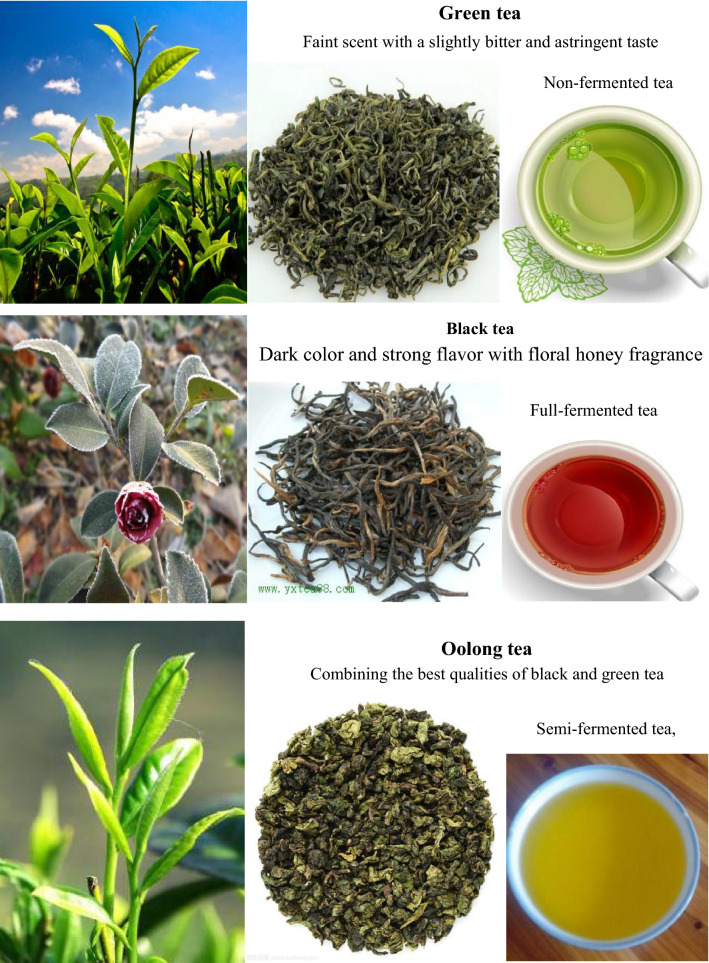
Six major kinds of tea in China. Data from https://image.so.com/i?src=360pic_strong&z=1&i=0&cmg=15484592.1427114627743071700.1627690750402.8748&q=%E4%B8%AD%E5%9B%BD%E7%BB%BF%E8%8C%B6%20%E5%9B%BE%E7%89%87, https://image.so.com/i?q=%E4%B8%AD%E5%9B%BD%E7%BA%A2%E8%8C%B6+%E5%9B%BE%E7%89%87&src=srp, https://image.so.com/i?q=%E4%B8%AD%E5%9B%BD%E4%B9%8C%E9%BE%99%E8%8C%B6+%E5%9B%BE%E7%89%87&src=srp, https://image.so.com/i?q=%E4%B8%AD%E5%9B%BD%E9%BB%91%E8%8C%B6+%E5%9B%BE%E7%89%87&src=srp, https://image.so.com/i?q=%E4%B8%AD%E5%9B%BD%E9%BB%84%E8%8C%B6+%E5%9B%BE%E7%89%87&src=srp, and https://image.so.com/i?q=%E4%B8%AD%E5%9B%BD%E7%99%BD%E8%8C%B6+%E5%9B%BE%E7%89%87&src=srp
Fig. 11
Fig. 11
Six major kinds of tea in China. Data from https://image.so.com/i?src=360pic_strong&z=1&i=0&cmg=15484592.1427114627743071700.1627690750402.8748&q=%E4%B8%AD%E5%9B%BD%E7%BB%BF%E8%8C%B6%20%E5%9B%BE%E7%89%87, https://image.so.com/i?q=%E4%B8%AD%E5%9B%BD%E7%BA%A2%E8%8C%B6+%E5%9B%BE%E7%89%87&src=srp, https://image.so.com/i?q=%E4%B8%AD%E5%9B%BD%E4%B9%8C%E9%BE%99%E8%8C%B6+%E5%9B%BE%E7%89%87&src=srp, https://image.so.com/i?q=%E4%B8%AD%E5%9B%BD%E9%BB%91%E8%8C%B6+%E5%9B%BE%E7%89%87&src=srp, https://image.so.com/i?q=%E4%B8%AD%E5%9B%BD%E9%BB%84%E8%8C%B6+%E5%9B%BE%E7%89%87&src=srp, and https://image.so.com/i?q=%E4%B8%AD%E5%9B%BD%E7%99%BD%E8%8C%B6+%E5%9B%BE%E7%89%87&src=srp
Fig. 12
Fig. 12
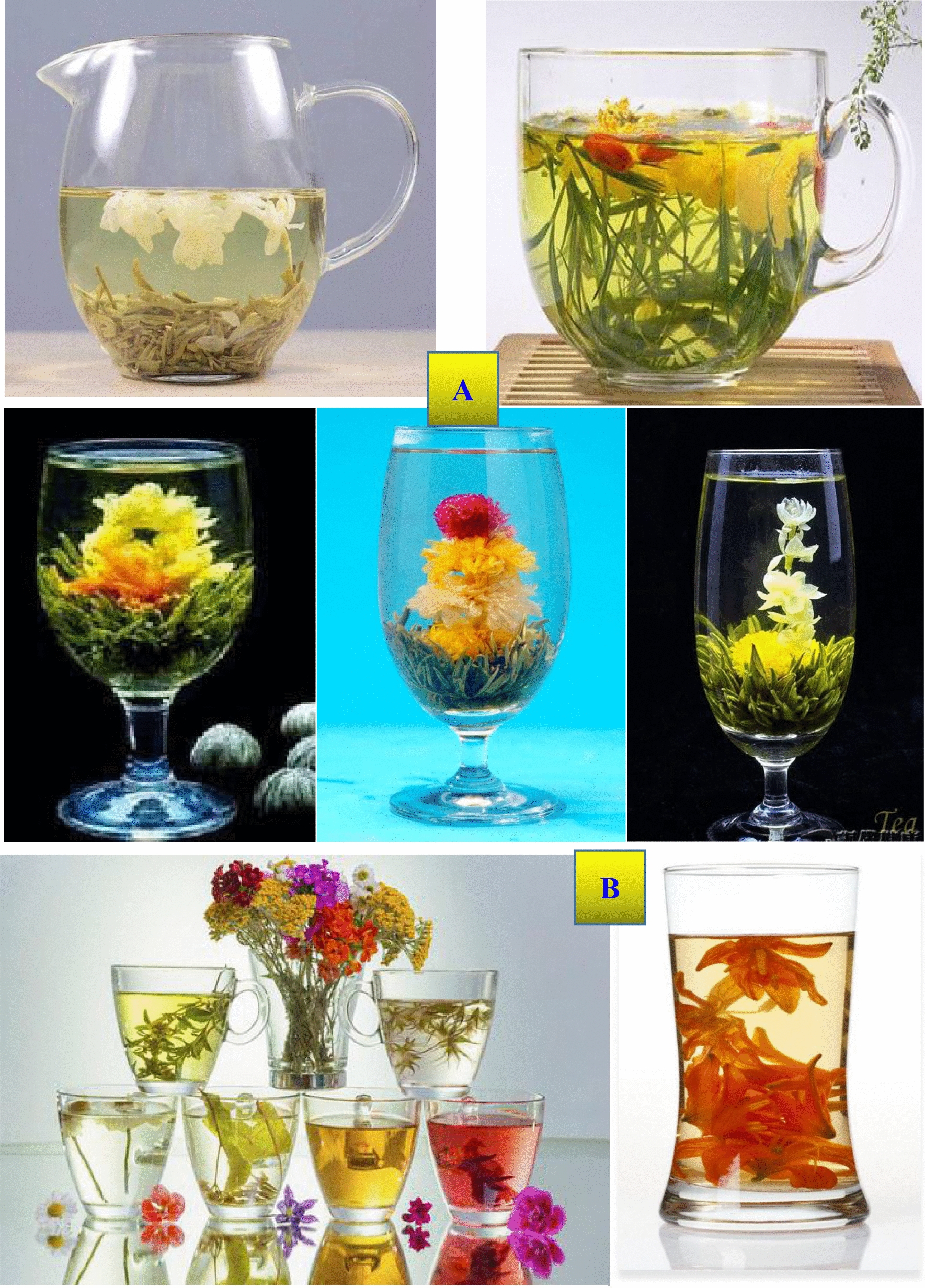
Scented tea with tea leaf (A) and scented tea without tea leaf (B). Data from https://image.so.com/i?src=360pic_strong&z=1&i=0&cmg=15484592.1427114627743071700.1627690750402.8748&q=%E8%8A%B1%E8%8C%B6%E5%9B%BE%E7%89%87%E5%A4%A7%E5%85%A8%E5%A4%A7%E5%9B%BE
Fig. 13
Fig. 13
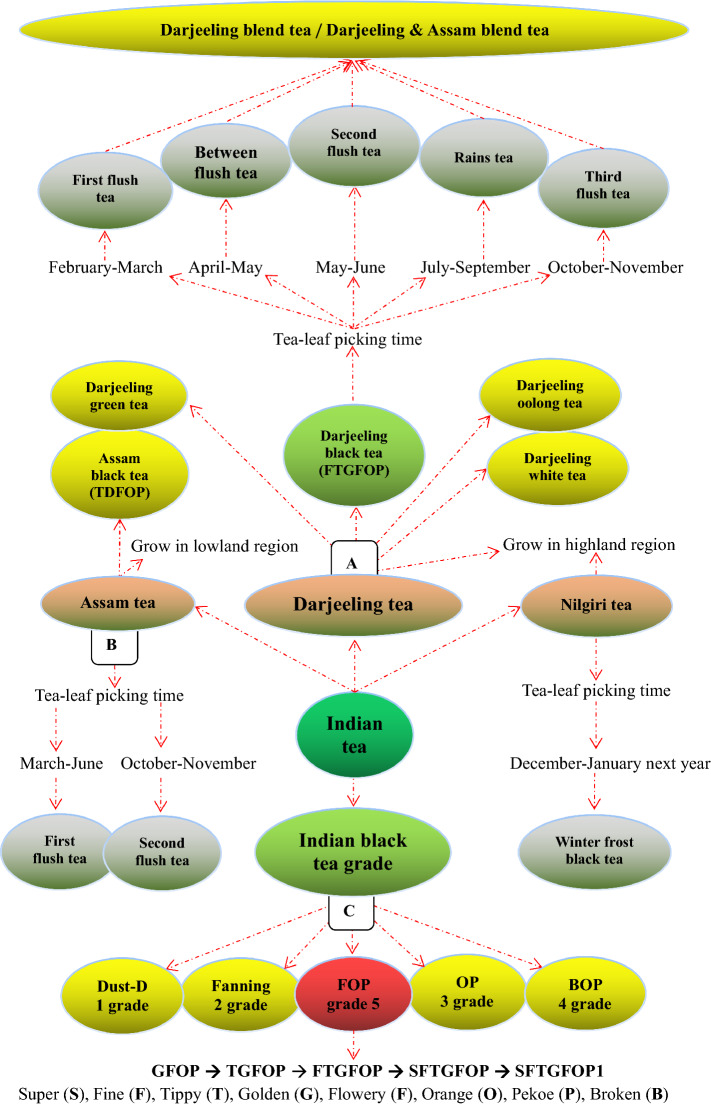
Indian black tea and Indian teas
Fig. 14
Fig. 14
Sri Lanka black tea and Sri Lanka teas
Fig. 15
Fig. 15
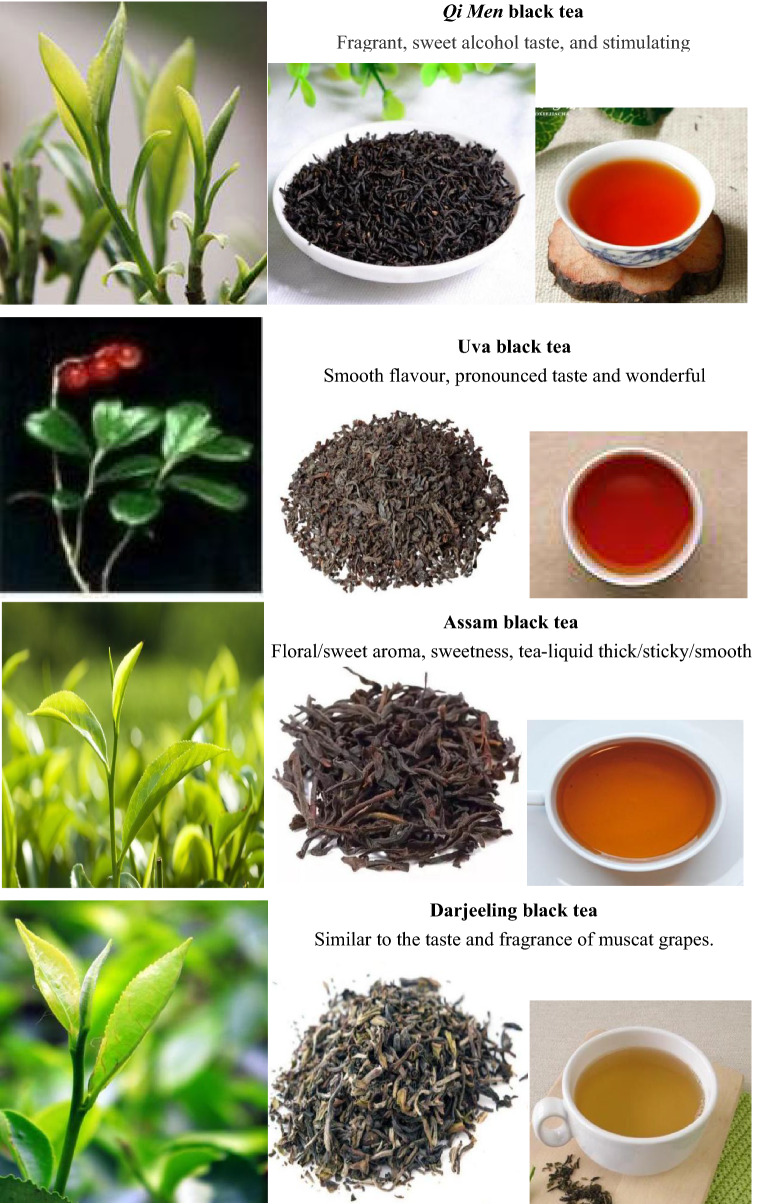
Four most famous black tea in the world. Data from https://image.so.com/i?src=360pic_strong&z=1&i=0&cmg=15484592.1427114627743071700.1627690750402.8748&q=%E7%BA%A2%E8%8C%B6%E5%9B%BE%E7%89%87%E5%A4%A7%E5%85%A8%E5%A4%A7%E5%9B%BE
Fig. 16
Fig. 16
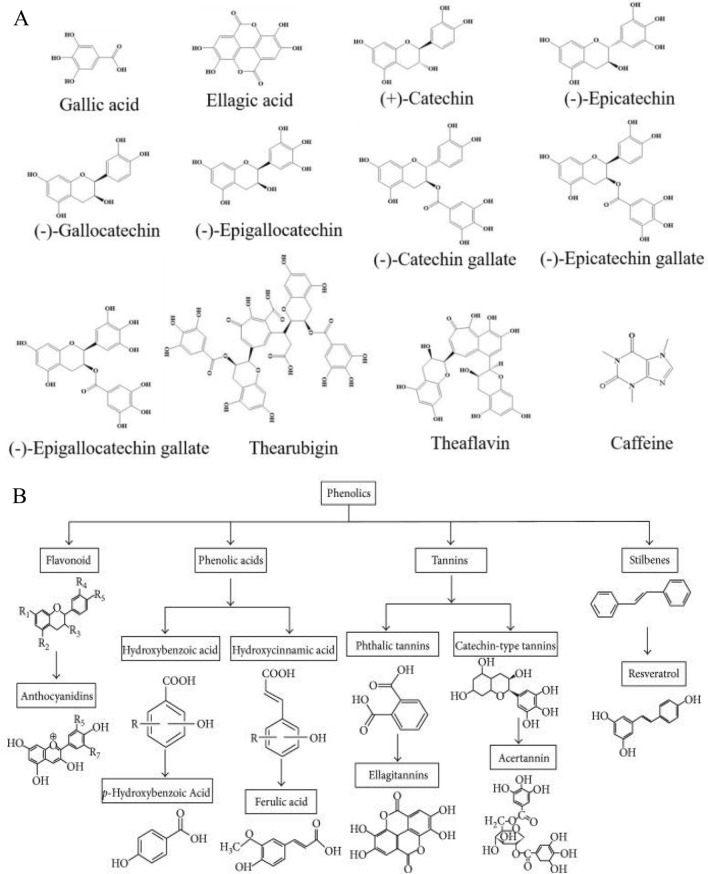
The chemical structures of several bioactive compounds in tea (A) and the classification and chemical structures of polyphenols in plant (B)
Fig. 17
Fig. 17
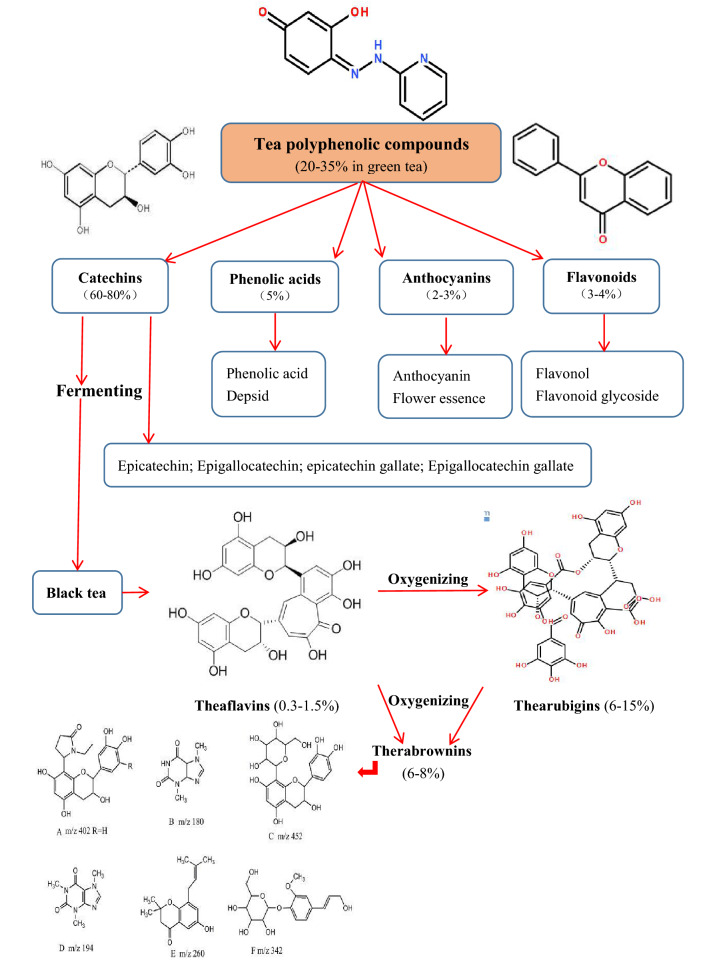
Polyphenol-related compounds in tea

References

    1. Brody H. Tea. Nature. 2019;566(7742):S1. doi: 10.1038/d41586-019-00394-5. - DOI - PubMed
    1. Samanta S. Potential bioactive components and health promotional benefits of tea (Camellia sinensis) J Am Coll Nutr. 2020 doi: 10.1080/07315724.2020.1827082. - DOI - PubMed
    1. Chen ZM, Lin Z. Tea and human health: biomedical functions of tea active components and current issues. J Zhejiang Univ Sci B. 2015;16(2):87–102. - PMC - PubMed
    1. Khan N, Mukhtar H. Tea and health: studies in humans. Curr Pharm Des. 2013;19(34):6141–6147. - PMC - PubMed
    1. Tang GY, Meng X, Gan RY, Zhao CN, Liu Q, Feng YB, et al. Health functions and related molecular mechanisms of tea components: an update review. Int J Mol Sci. 2019;20(24):6196. doi: 10.3390/ijms20246196. - DOI - PMC - PubMed

LinkOut - more resources