


Invasive meningococcal disease in older adults in North America and Europe: is this the time for action? A review of the literature
- PMID: 35197024
- PMCID: PMC8864456
- DOI: 10.1186/s12889-022-12795-9
Invasive meningococcal disease in older adults in North America and Europe: is this the time for action? A review of the literature
Abstract
Background: Neisseria meningitidis is an encapsulated Gram-negative diplococcus that asymptomatically colonises the upper respiratory tract in up to 25% of the population (mainly adolescents and young adults). Invasive meningococcal disease (IMD) caused by Neisseria meningitidis imposes a substantial public health burden,. The case fatality rate (CFR) of IMD remains high. IMD epidemiology varies markedly by region and over time, and there appears to be a shift in the epidemiology towards older adults. The objective of our review was to assess the published data on the epidemiology of IMD in older adults (those aged ≥ 55 years)in North America and Europe. Such information would assist decision-makers at national and international levels in developing future public health programmes for managing IMD.
Methods: A comprehensive literature review was undertaken on 11 August 2020 across three databases: EMBASE, Medline and BIOSIS. Papers were included if they met the following criteria: full paper written in the English language; included patients aged ≥ 56 years; were published between 1/1/2009 11/9/2020 and included patients with either suspected or confirmed IMD or infection with N. meningitidis in North America or Europe. Case studies/reports/series were eligible for inclusion if they included persons in the age range of interest. Animal studies and letters to editors were excluded. In addition, the websites of international and national organisations and societies were also checked for relevant information.
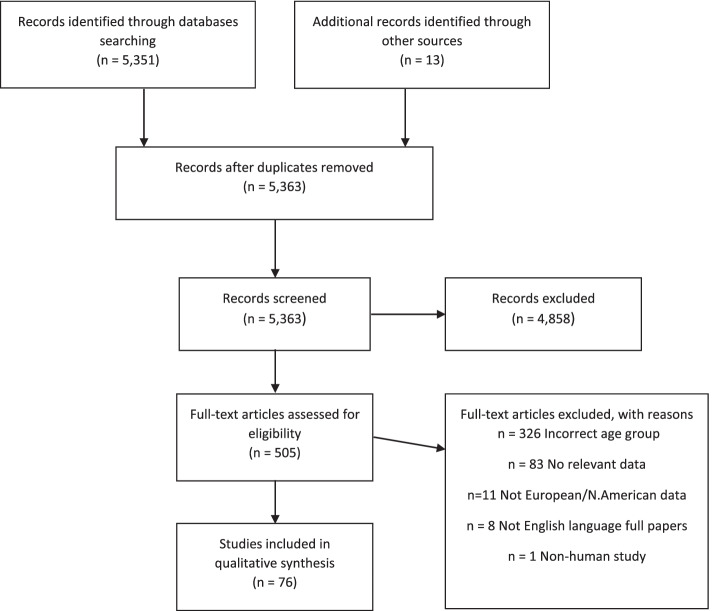
Results: There were 5,364 citations identified in total, of which 76 publications were included in this review. We identified that older adults with IMD were mainly affected by serogroups W and Y, which are generally not the predominant strains in circulation in most countries. Older adults had the highest CFRs, probably linked to underlying comorbidities and more atypical presentations hindering appropriate timely management. In addition, there was some evidence of a shift in the incidence of IMD from younger to older adults.
Conclusions: The use of meningococcal vaccines that include coverage against serogroups W and Y in immunization programs for older adults needs to be evaluated to inform health authorities' decisions of the relative benefits of vaccination and the utility of expanding national immunization programmes to this age group.
Keywords: Atypical Presentation; Clinical Burden; Epidemiology; Invasive Meningococcal Disease; Neisseria meningitidis; Older Adults; Recommendations; Serology.
© 2022. The Author(s).
Conflict of interest statement
PO, FC and IBG are employees of Sanofi Pasteur and may hold shares in the company. SG was an employee of Sanofi Pasteur at the time of this review. KE is an employee of InScience Communications, Springer Healthcare Ltd, Chester, UK, which was contracted by Sanofi Pasteur to undertake the literature searches and provide editorial assistance.
References
-
- Dwilow R, Fanella S. Invasive meningococcal disease in the 21st century—an update for the clinician. Curr Neurol Neurosci Rep. 2015;15(3):2. - PubMed
-
- Strelow VL, Vidal JE. Invasive meningococcal disease. Arq Neuropsiquiatr. 2013;71(9B):653–658. - PubMed
-
- Raja NS, Parasakthi N, Puthucheary SD, Kamarulzaman A. Invasive meningococcal disease in the University of Malaya Medical Centre, Kuala Lumpur. Malaysia. J Postgrad Med. 2006;52(1):23–29. - PubMed
Publication types
MeSH terms
Substances
LinkOut - more resources
Full Text Sources
Medical
Miscellaneous
