


Aducanumab Use in Symptomatic Alzheimer Disease Evidence in Focus [RETIRED]: A Report of the AAN Guidelines Subcommittee
- PMID: 35197360
- PMCID: PMC9012273
- DOI: 10.1212/WNL.0000000000200176
Aducanumab Use in Symptomatic Alzheimer Disease Evidence in Focus [RETIRED]: A Report of the AAN Guidelines Subcommittee
Retraction in
-
Retirement of Guidelines.Neurology. 2025 May 13;104(9):e213572. doi: 10.1212/WNL.0000000000213572. Epub 2025 Apr 14. Neurology. 2025. PMID: 40228190 Free PMC article. No abstract available.
Abstract
Objective: To identify the class of evidence for aducanumab use for the treatment of Alzheimer disease and present clinical considerations regarding use.
Methods: The author panel systematically reviewed available clinical trial data detailing aducanumab use in individuals with early symptomatic Alzheimer disease. Level of evidence statements were assigned in accordance with the American Academy of Neurology's 2017 therapeutic classification of evidence scheme. Safety information, regulatory decisions, and clinical context were also reviewed.
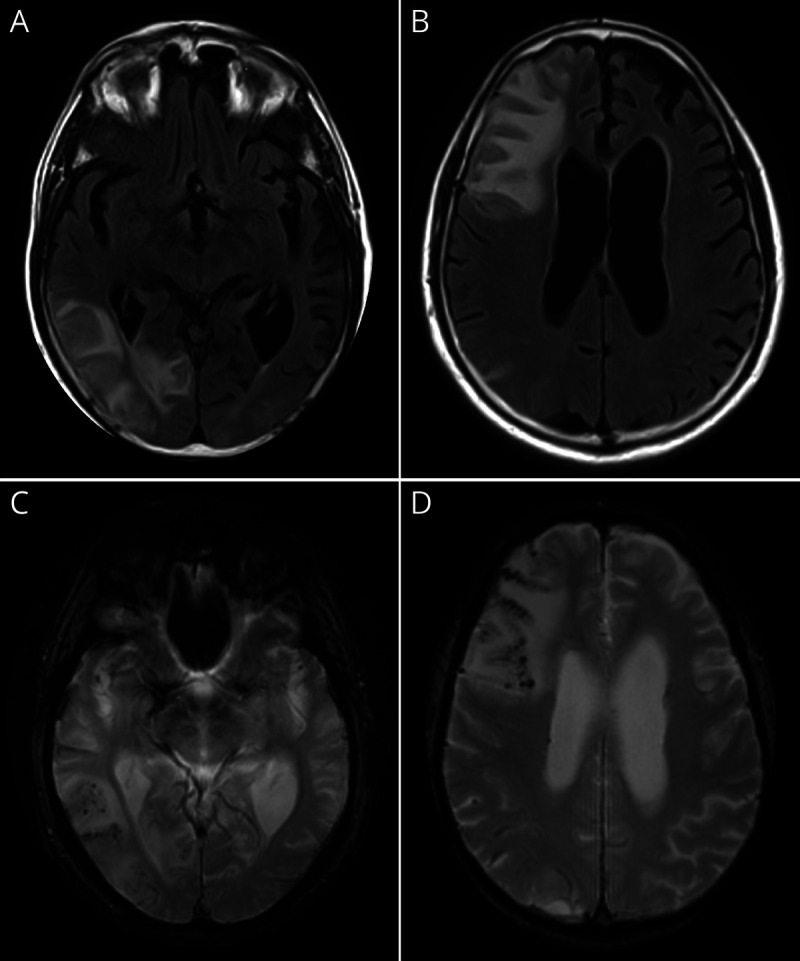
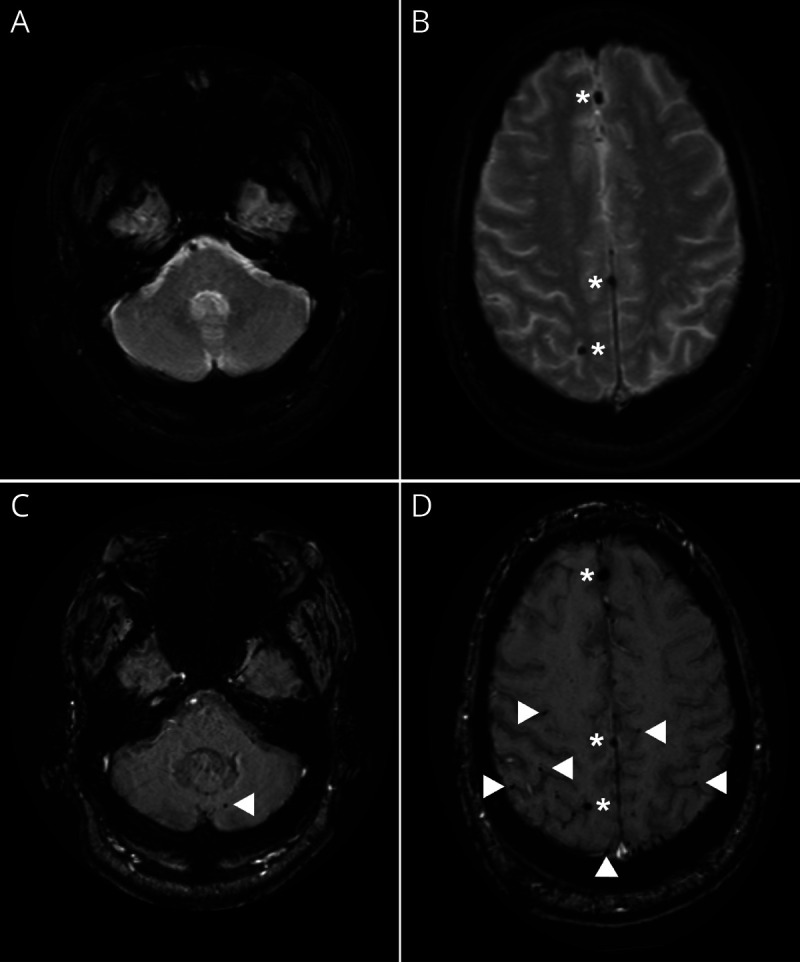
Results: Data were identified from 4 clinical trials, 1 rated Class I and 3 rated Class II. The Class I study showed that single doses of aducanumab up to 30 mg/kg were safe and well tolerated. All 3 Class II studies provided evidence that aducanumab (3-10 mg/kg) decreased amyloid deposition on brain PET at 1 year vs placebo. Efficacy data in the Class II studies varied by dose and outcome, but aducanumab either had no effect on mean change on the Clinical Dementia Rating Sum of Boxes scores or resulted in less worsening (vs placebo) that was of uncertain clinical importance. Adverse amyloid-related imaging abnormalities occurred in approximately 40% of individuals treated with aducanumab vs 10% receiving placebo.
Clinical context: Administration of aducanumab will require expanded clinical infrastructure. Evidence-based guidance is needed to address key questions (e.g., safety in populations not enrolled in phase 3 studies, expected benefits on daily function, treatment duration) and critical issues relating to access to aducanumab (e.g., coverage, costs, burden of monthly infusions) that will inform shared decision making between patients and providers.
© 2022 American Academy of Neurology.
Figures
References
-
- Alzheimer’s Association. 2021 Alzheimer's disease facts and figures. Alzheimers Dement 2021;17:327-406. - PubMed
-
- Alzheimer’s Association. 2020 Alzheimer's disease facts and figures. Alzheimers Dement Epub 2020 10 Mar.
-
- Herrup K. The case for rejecting the amyloid cascade hypothesis. Nat Neurosci 2015;18:794-799. - PubMed
-
- Hardy JA, Higgins GA. Alzheimer's disease: the amyloid cascade hypothesis. Science 1992;256:184-185. - PubMed
Publication types
MeSH terms
Substances
Grants and funding
LinkOut - more resources
Full Text Sources
Medical
