


Khat, a Cultural Chewing Drug: A Toxicokinetic and Toxicodynamic Summary
- PMID: 35202099
- PMCID: PMC8875844
- DOI: 10.3390/toxins14020071
Khat, a Cultural Chewing Drug: A Toxicokinetic and Toxicodynamic Summary
Abstract
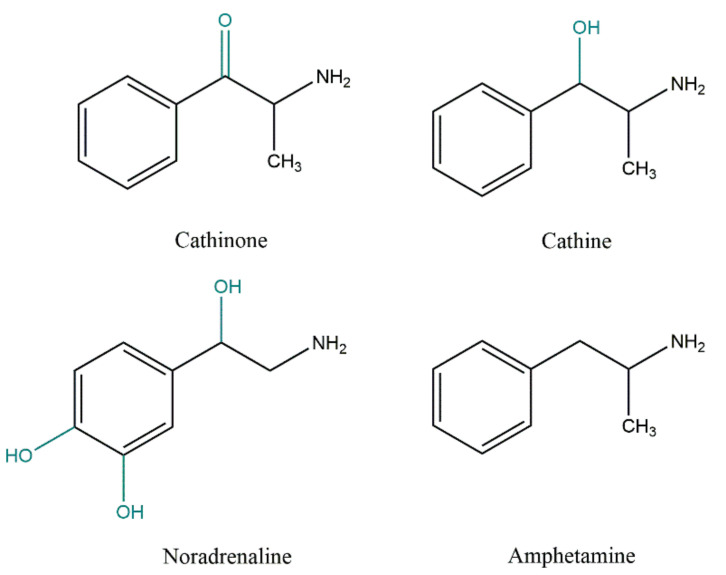
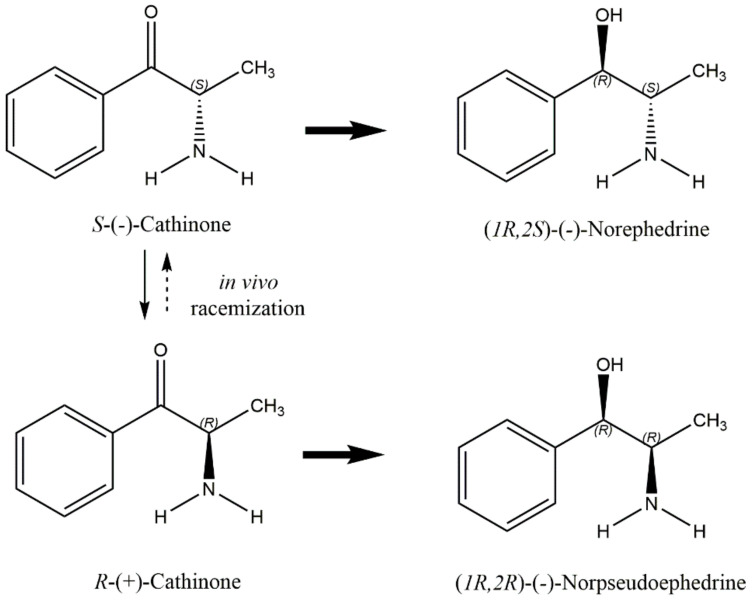
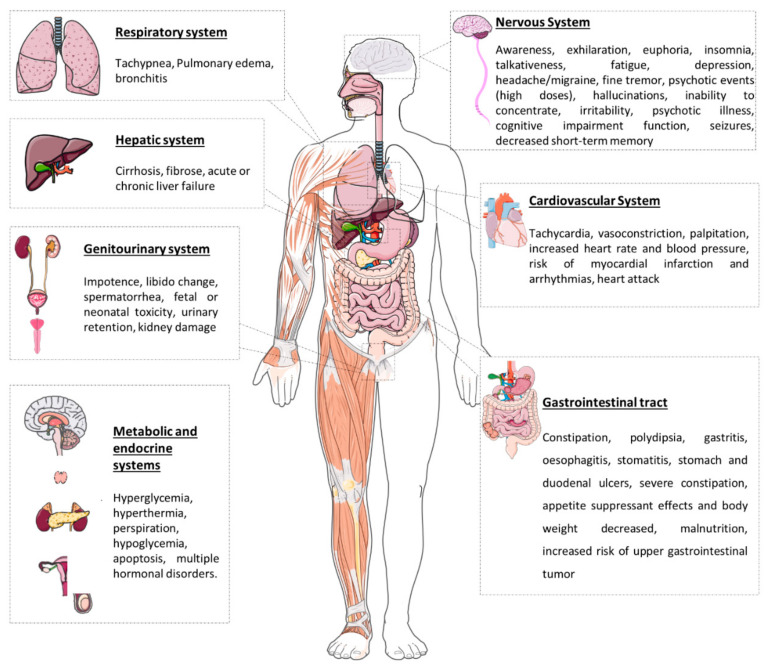
Khat (Catha edulis) is a recreational, chewed herbal drug that has been used as a psychostimulant for centuries in East Africa and the Arabian Peninsula, namely in Somalia, Ethiopia, and Yemen. However, the growing worldwide availability of khat has produced widespread concern. The plant comprises a large number of active substances, among which cathinone, cathine, and norephedrine are the main constituents, which can be included in the group of sympathomimetics of natural origin. In fact, these compounds are amphetamine analogues, and, as such, they have amphetamine-like nervous system stimulant effects. Chewing the leaves gives people a sensation of well-being and increases energy, alertness, and self-confidence. The chronic use of khat is, however, associated with severe cardiac, neurological, psychological, and gastrointestinal complications. The psychological dependence and withdrawal symptoms of khat are the reasons for its prolonged use. The aim of this paper is to review current knowledge on the khat plant with toxicokinetic and toxicodynamic perspectives. Namely, this review paper addresses in vitro, in vivo, and human studies. The models used, as well as the concentrations and doses with the respective biological effects, are discussed. Additionally, the main drug interactions involved with khat are described.
Keywords: amphetamine-like; cathine; cathinone; kinetics; norpseudoephedrine; toxicology.
Conflict of interest statement
The authors declare no conflict of interest.
Figures

References
Publication types
MeSH terms
LinkOut - more resources
Full Text Sources
