


Analysis of the Efficacy of Universal Screening of Coronavirus Disease with Antigen-Detecting Rapid Diagnostic Tests at Point-or-Care Settings and Sharing the Experience of Admission Protocol-A Pilot Study
- PMID: 35207807
- PMCID: PMC8876277
- DOI: 10.3390/jpm12020319
Analysis of the Efficacy of Universal Screening of Coronavirus Disease with Antigen-Detecting Rapid Diagnostic Tests at Point-or-Care Settings and Sharing the Experience of Admission Protocol-A Pilot Study
Abstract
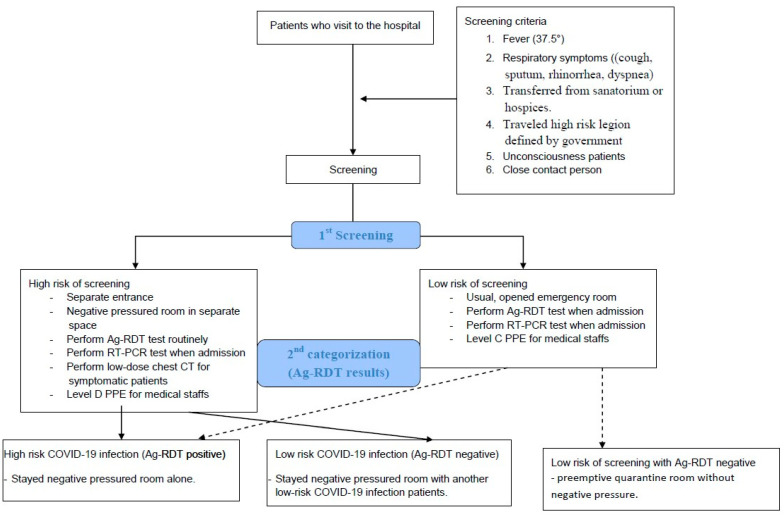
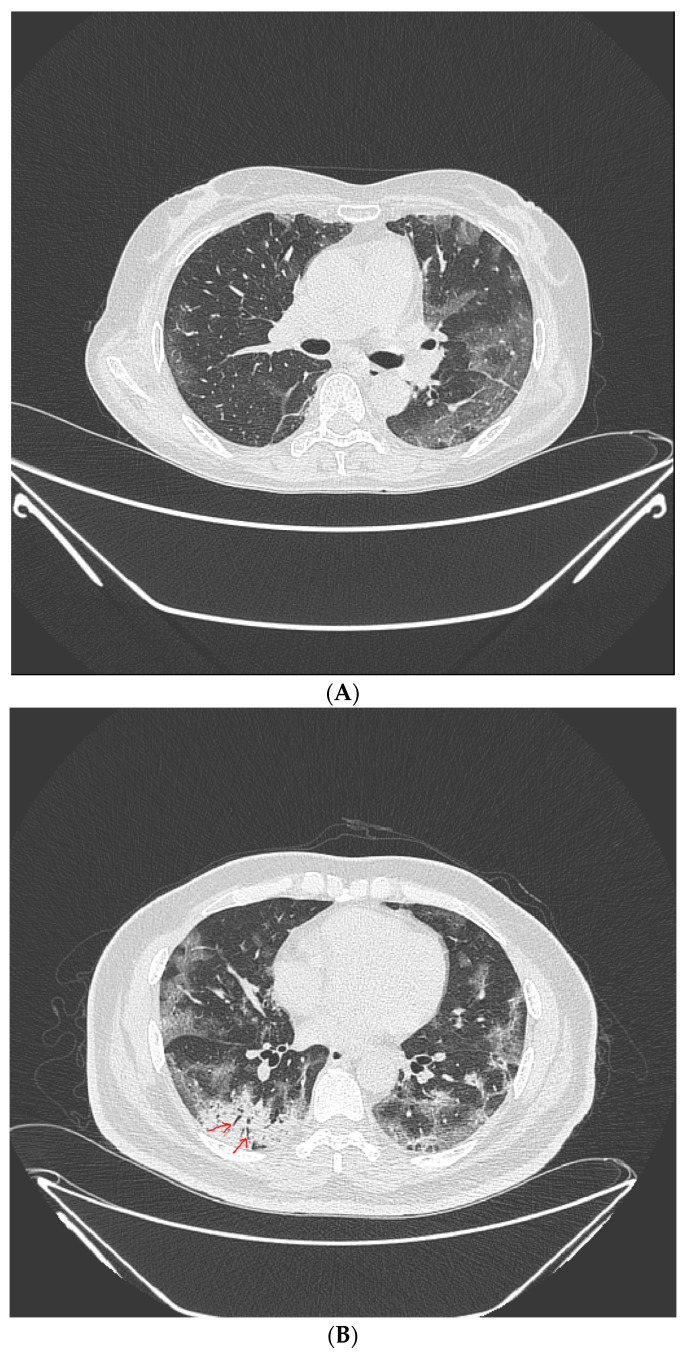
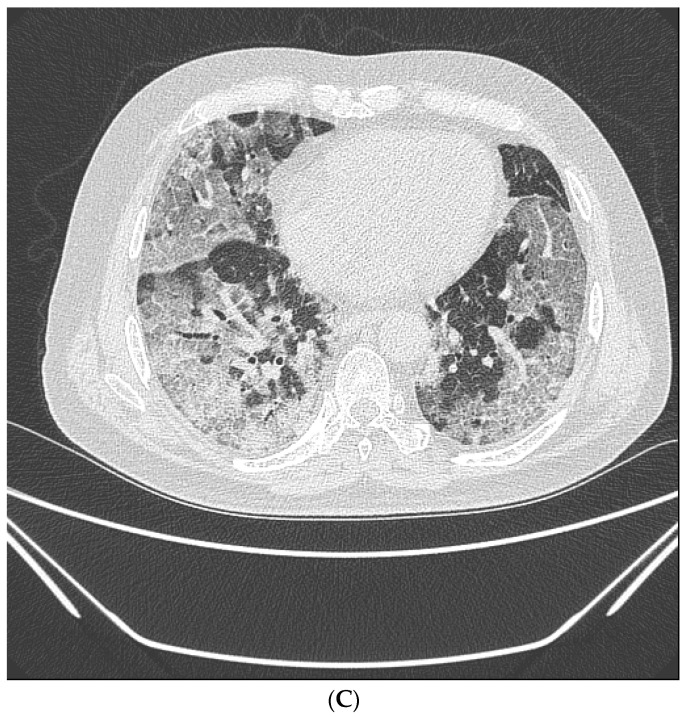
Aims: To introduce the admission protocol of a COVID-19 specialized hospital outlined by the government, including the assessment of reverse transcription polymerase chain reaction (RT-PCR), low dose chest computed tomography (CT) and antigen-detecting rapid diagnostic test (Ag-RDT) for patient screening.
Materials and methods: This was a retrospective cohort study of 646 patients who were admitted between December 2020, and February 2021, during the third wave of COVID-19 in Korea. Ag-RDT and RT-PCR were routinely performed on all patients who required admission, and low-dose chest CT was performed on high-risk patients with associated symptoms. Any patients with high-risk COVID-19 infection according to the Ag-RDT test were quarantined alone in a negative pressured room, and those with low-risk COVID-19 infection remained in the preemptive quarantine room with or without negative pressure. The diagnostic values of the Ag-RDT test and associated cycle threshold (Ct) values of the RT-PCR test were subsequently evaluated.
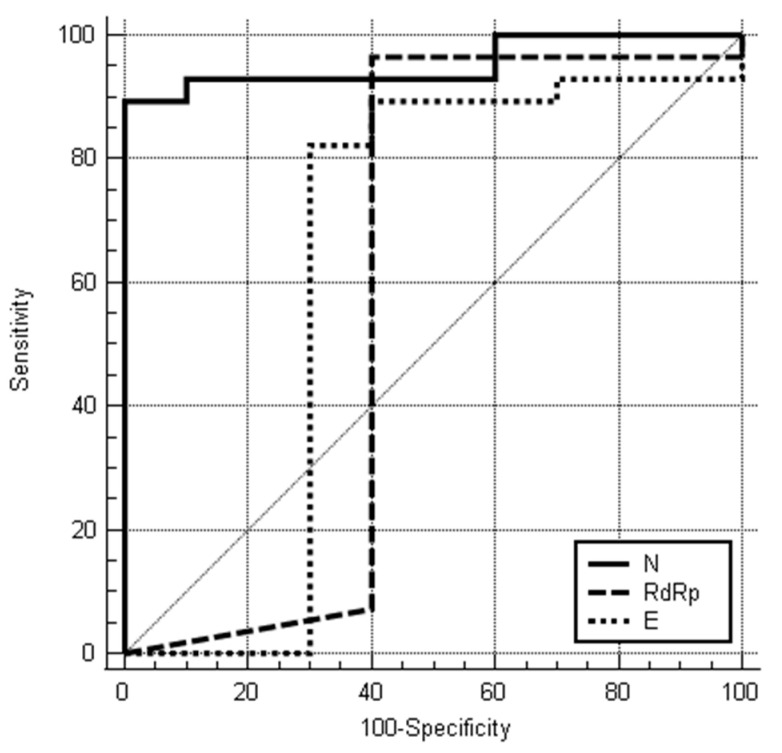
Results: In terms of the diagnostic value, the Ag-RDT for COVID-19 had a sensitivity of 68.3%, specificity of 99.5%, positive predictive value (PPV) of 90.3%, and negative predictive value (NPV) of 97.9%. For the 355 symptomatic patients with low-dose chest CT, the diagnostic values of combined evaluations had a sensitivity of 90.2%, specificity of 99.0%, PPV of 86.1%, and NPV of 99.3%. The cut-off Ct value for positive Ag-RDT was ≤25.67 for the N gene (sensitivity: 89.3%, specificity: 100%), which was regarded as a high viable virus in cell culture. There were no patients or medical staff who had COVID-19 in the hospital.
Conclusion: Appropriate patient care was possible by definitive triage of the area, according to the symptoms and using diagnostic tests. Screening protocols, including the Ag-RDT test and low-dose chest CT, could be helpful in emergency point-of-care settings.
Keywords: COVID-19; SARS-CoV-2; cross infection; infection control.
Conflict of interest statement
The authors declare no competing interest.
Figures
References
-
- Kim J.Y., Choe P.G., Oh Y., Oh K.J., Kim J., Park S.J., Park J.H., Na H.K., Oh M.-D. The First Case of 2019 Novel Coronavirus Pneumonia Imported into Korea from Wuhan, China: Implication for Infection Prevention and Control Measures. J. Korean Med. Sci. 2020;35:e61. doi: 10.3346/jkms.2020.35.e61. - DOI - PMC - PubMed
-
- Ji W., Huh K., Ko K.-P., Im J.-S., Jung J., Kang M., Hong J., Bae G.H., Lee R., Na Y., et al. Effect of Underlying Comorbidities on the Infection and Severity of COVID-19 in Korea: A Nationwide Case-Control Study. J. Korean Med. Sci. 2020;35:e237. doi: 10.3346/jkms.2020.35.e237. - DOI - PMC - PubMed
LinkOut - more resources
Full Text Sources
Miscellaneous
