


Probiotics, Prebiotics, and Phytogenic Substances for Optimizing Gut Health in Poultry
- PMID: 35208851
- PMCID: PMC8877156
- DOI: 10.3390/microorganisms10020395
Probiotics, Prebiotics, and Phytogenic Substances for Optimizing Gut Health in Poultry
Abstract
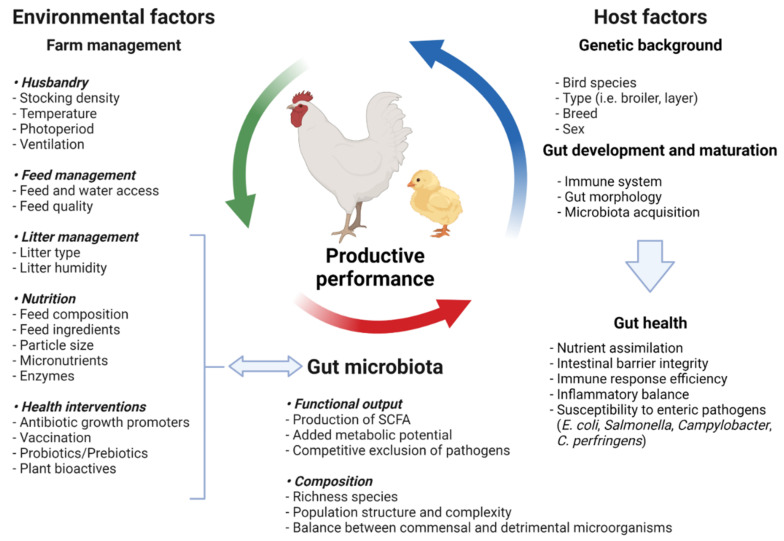
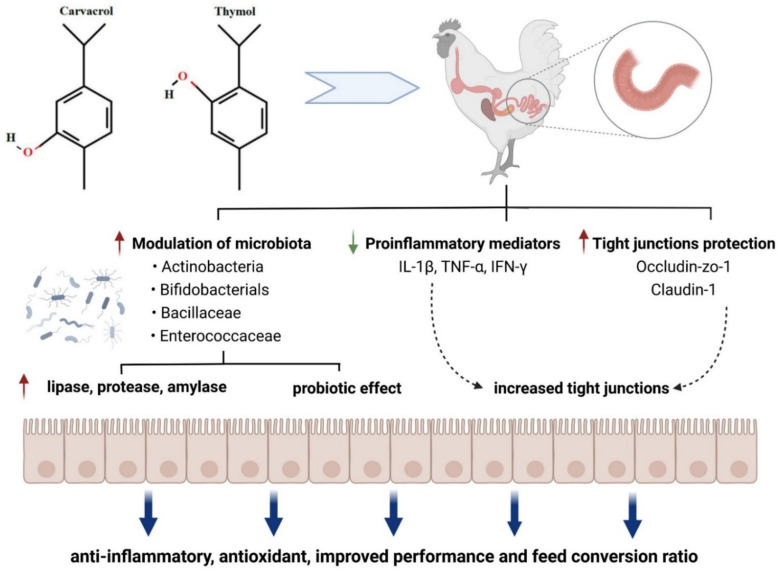
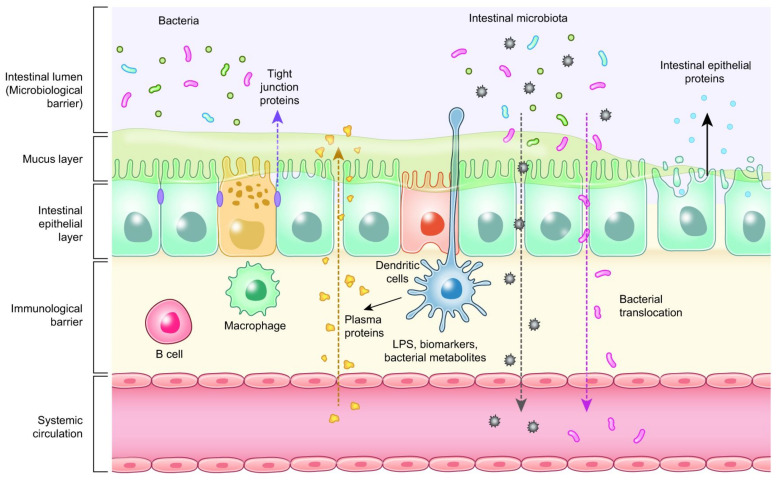
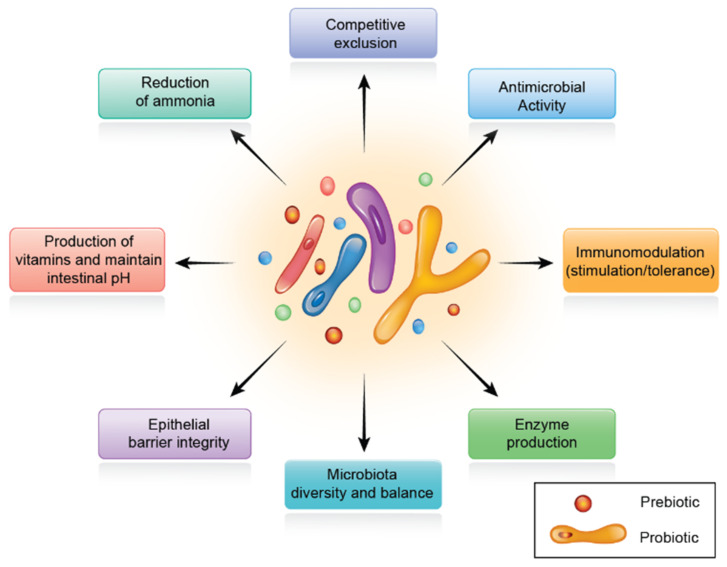
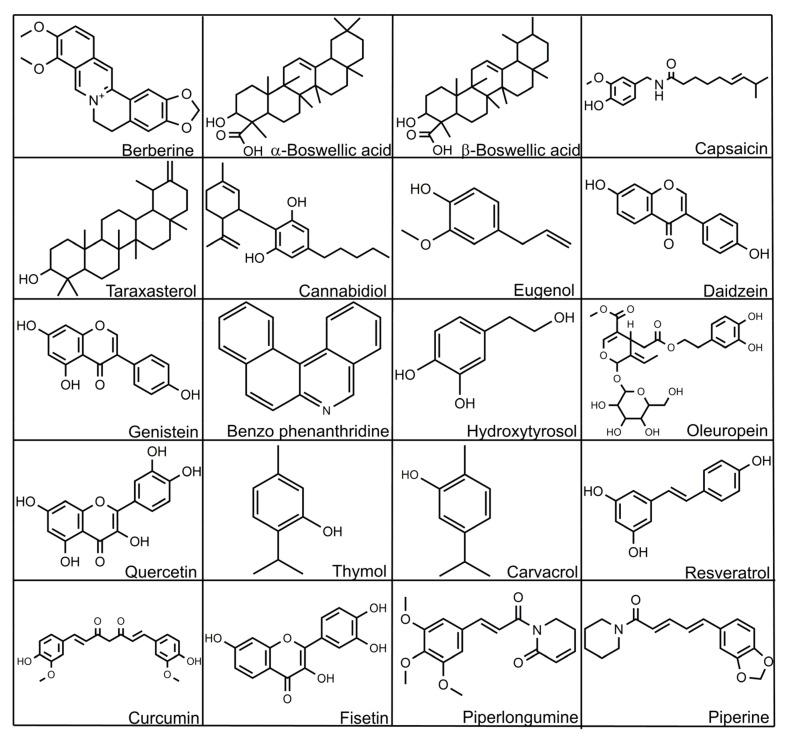
The gut microbiota has been designated as a hidden metabolic 'organ' because of its enormous impact on host metabolism, physiology, nutrition, and immune function. The connection between the intestinal microbiota and their respective host animals is dynamic and, in general, mutually beneficial. This complicated interaction is seen as a determinant of health and disease; thus, intestinal dysbiosis is linked with several metabolic diseases. Therefore, tractable strategies targeting the regulation of intestinal microbiota can control several diseases that are closely related to inflammatory and metabolic disorders. As a result, animal health and performance are improved. One of these strategies is related to dietary supplementation with prebiotics, probiotics, and phytogenic substances. These supplements exert their effects indirectly through manipulation of gut microbiota quality and improvement in intestinal epithelial barrier. Several phytogenic substances, such as berberine, resveratrol, curcumin, carvacrol, thymol, isoflavones and hydrolyzed fibers, have been identified as potential supplements that may also act as welcome means to reduce the usage of antibiotics in feedstock, including poultry farming, through manipulation of the gut microbiome. In addition, these compounds may improve the integrity of tight junctions by controlling tight junction-related proteins and inflammatory signaling pathways in the host animals. In this review, we discuss the role of probiotics, prebiotics, and phytogenic substances in optimizing gut function in poultry.
Keywords: dysbiosis; feed additives; gut microbiota; nutraceuticals; phytogenic substances; poultry; synbiotics; tight junctions.
Conflict of interest statement
The authors declare no conflict of interest.
Figures
References
Publication types
LinkOut - more resources
Full Text Sources
Research Materials
