Targeting of the alphav beta3 integrin complex by CAR-T cells leads to rapid regression of diffuse intrinsic pontine glioma and glioblastoma
- PMID: 35210306
- PMCID: PMC8883284
- DOI: 10.1136/jitc-2021-003816
Targeting of the alphav beta3 integrin complex by CAR-T cells leads to rapid regression of diffuse intrinsic pontine glioma and glioblastoma
Abstract
Background: Diffuse intrinsic pontine glioma (DIPG) and glioblastoma (GBM) are two highly aggressive and generally incurable gliomas with little therapeutic advancements made in the past several decades. Despite immense initial success of chimeric antigen receptor (CAR) T cells for the treatment of leukemia and lymphoma, significant headway into the application of CAR-T cells against solid tumors, including gliomas, is still forthcoming. The integrin complex alphav beta3 (αvβ3) is present on multiple and diverse solid tumor types and tumor vasculature with limited expression throughout most normal tissues, qualifying it as an appealing target for CAR-T cell-mediated immunotherapy.
Methods: Patient-derived DIPG and GBM cell lines were evaluated by flow cytometry for surface expression of αvβ3. Second-generation CAR-T cells expressing an anti-αvβ3 single-chain variable fragment were generated by retroviral transduction containing either a CD28 or 4-1BB costimulatory domain and CD3zeta. CAR-T cells were evaluated by flow cytometry for CAR expression, memory phenotype distribution, and inhibitory receptor profile. DIPG and GBM cell lines were orthotopically implanted into NSG mice via stereotactic injection and monitored with bioluminescent imaging to evaluate αvβ3 CAR-T cell-mediated antitumor responses.
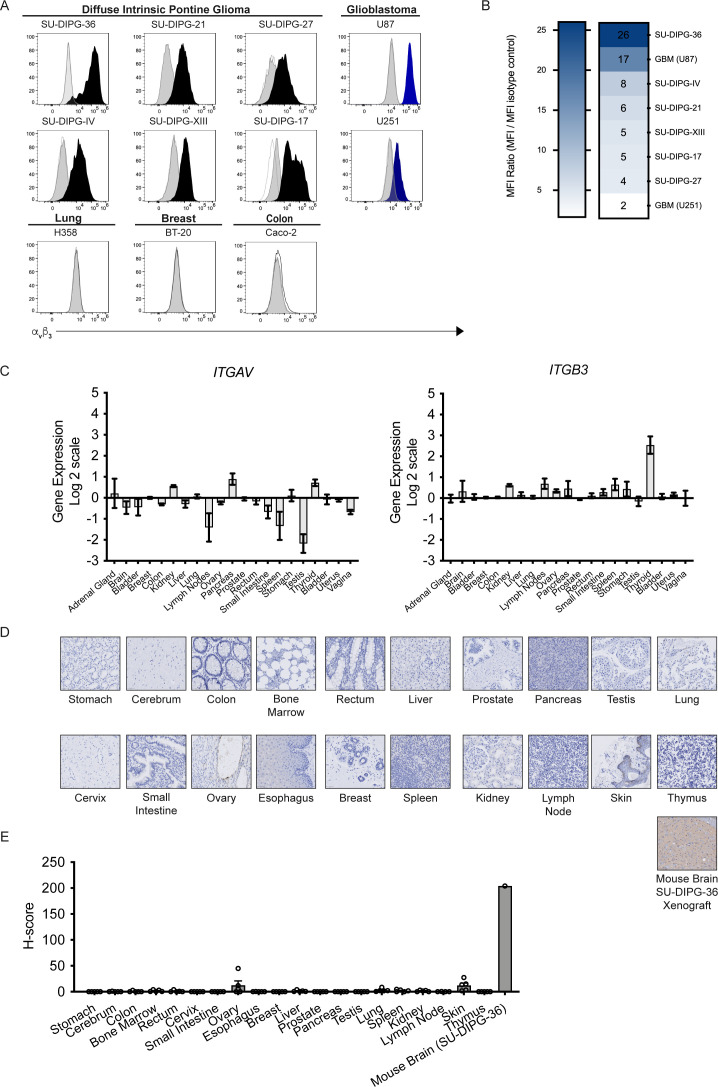
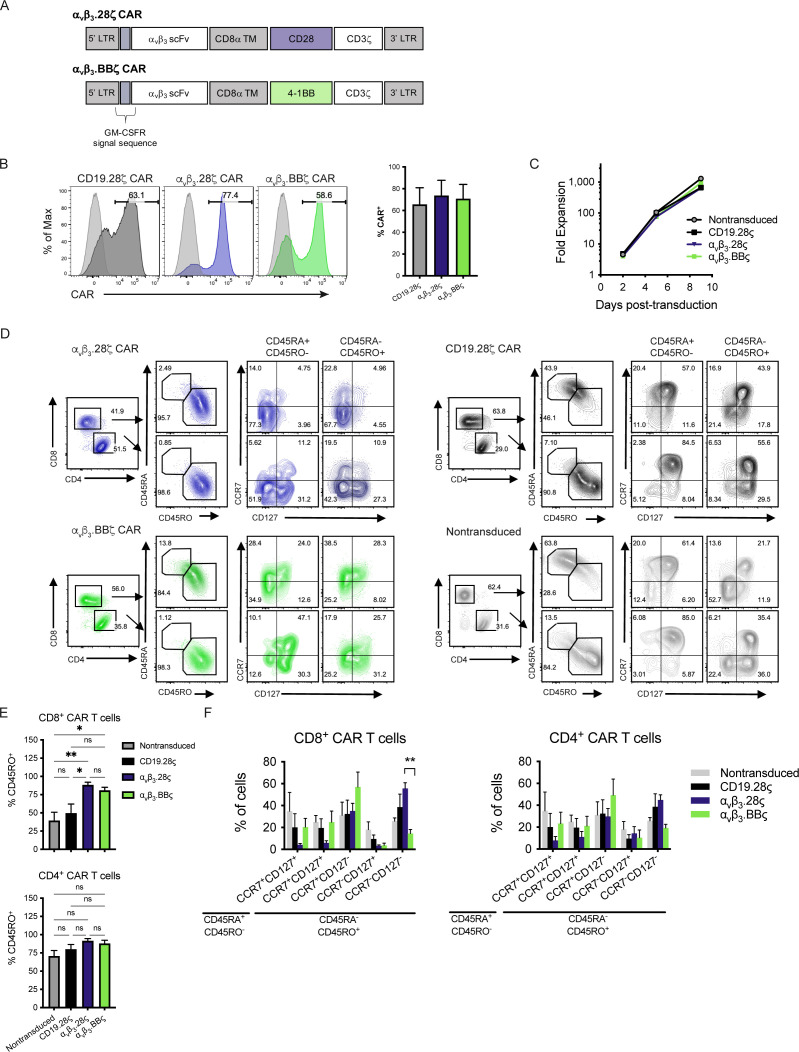
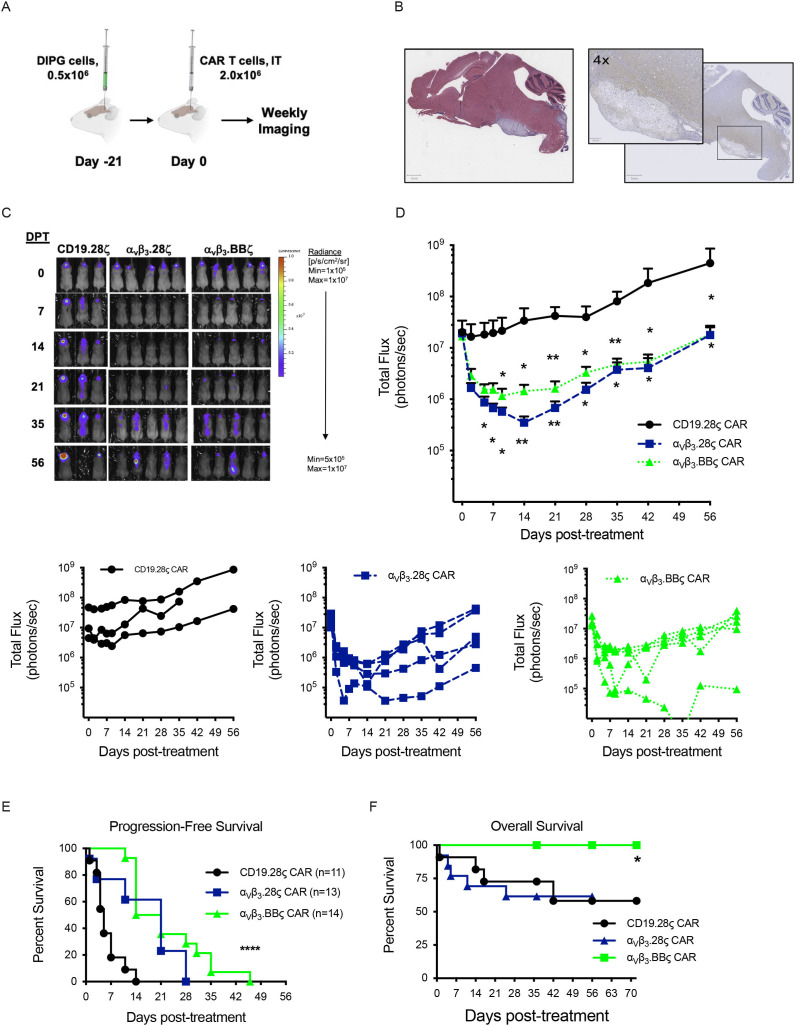
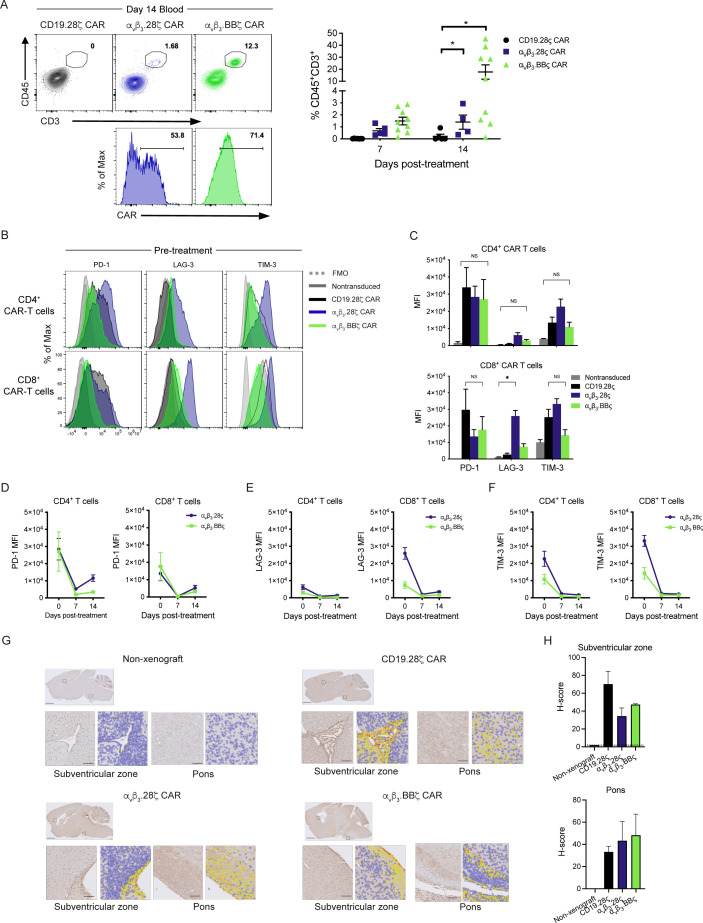
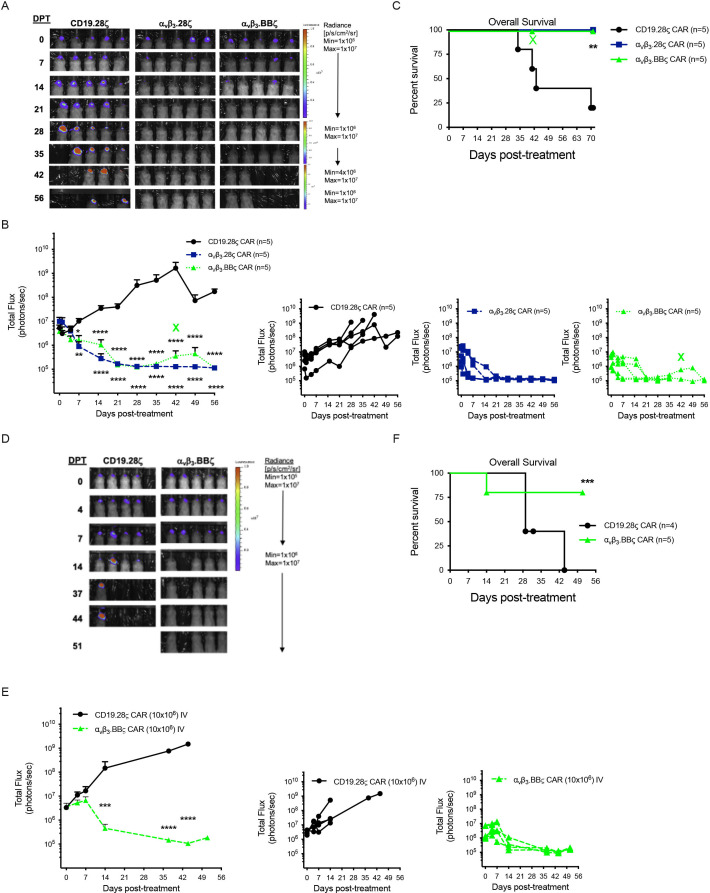
Results: We found that patient-derived DIPG cells and GBM cell lines express high levels of surface αvβ3 by flow cytometry, while αvβ3 is minimally expressed on normal tissues by RNA sequencing and protein microarray. The manufactured CAR-T cells consisted of a substantial frequency of favorable early memory cells and a low inhibitory receptor profile. αvβ3 CAR-T cells demonstrated efficient, antigen-specific tumor cell killing in both cytotoxicity assays and in in vivo models of orthotopically and stereotactically implanted DIPG and GBM tumors into relevant locations in the brain of NSG mice. Tumor responses were rapid and robust with systemic CAR-T cell proliferation and long-lived persistence associated with long-term survival. Following tumor clearance, TCF-1+αvβ3 CAR-T cells were detectable, underscoring their ability to persist and undergo self-renewal.
Conclusions: These results highlight the potential of αvβ3 CAR-T cells for immunotherapeutic treatment of aggressive brain tumors with reduced risk of on-target, off-tumor mediated toxicity due to the restricted nature of αvβ3 expression in normal tissues.
Keywords: T-lymphocytes; chimeric antigen; immunologic memory; immunotherapy; pediatrics; receptors.
© Author(s) (or their employer(s)) 2022. Re-use permitted under CC BY-NC. No commercial re-use. See rights and permissions. Published by BMJ.
Conflict of interest statement
Competing interests: DWL serves as a consultant to Juno Therapeutics/BMS, Harpoon Therapeutics, and Amgen, and his institution receives clinical trial funding from Kite Pharma/Gilead. His spouse is an employee of Karyopharm Therapeutics. DAC and DWL have a patent application pending based on the results presented in this study. All other authors declare that they have no competing interests.
Figures


References
-
- Celgene, ABECMA (idecabtagene vicleucel) [Package Insert] 2021.
Publication types
MeSH terms
Substances
LinkOut - more resources
Full Text Sources
Other Literature Sources
Research Materials
Miscellaneous