


Current Perspectives on the Unique Roles of Exosomes in Drug Resistance of Hepatocellular Carcinoma
- PMID: 35211428
- PMCID: PMC8863332
- DOI: 10.2147/JHC.S351038
Current Perspectives on the Unique Roles of Exosomes in Drug Resistance of Hepatocellular Carcinoma
Abstract
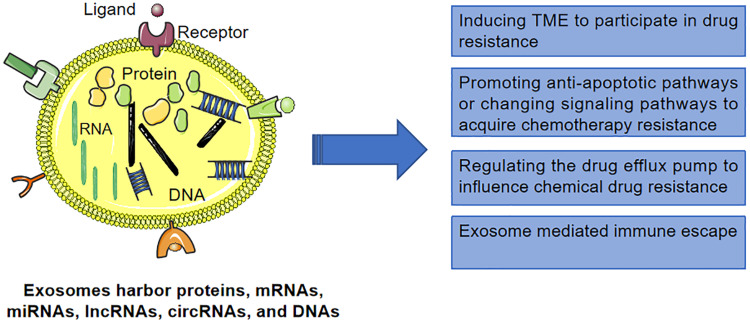
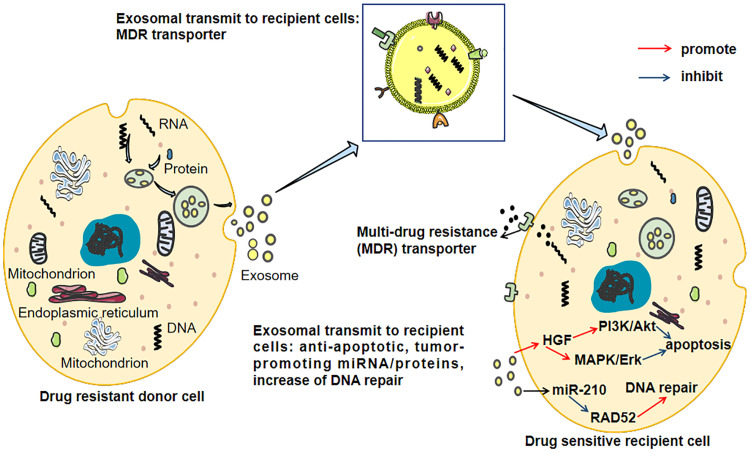
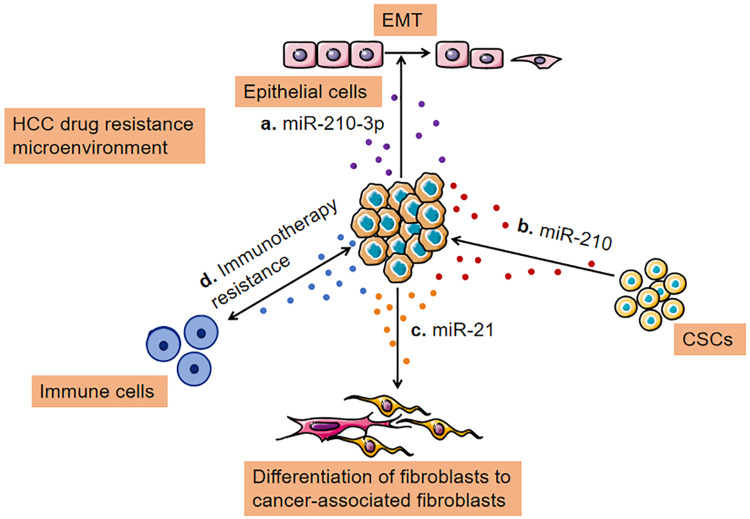
As a common malignant tumor worldwide, the prognosis of hepatocellular carcinoma (HCC) remains unsatisfactory, even though treatment methods have improved. Despite the developments in traditional chemotherapy and emerging targeted immunotherapy, the problem of recurrence and metastasis of HCC and adverse effects on survival and prognosis are still serious. Drug resistance is a daunting challenge that impedes HCC treatment. Exosomes, a class of extracellular vesicles ranging in size from 30 to 100 nm, have been the focus of recent studies. Exosomes can activate various signaling pathways and regulate the tumor microenvironment with their cargo, which includes functional lipids, proteins, and nucleic acids. Thus, they change the phenotype of recipient cells via exosome-mediated communication. Exosomes secreted by tumors or stromal cells can also transfer drug-resistant traits to other tumor cells. However, their effects on drug resistance in HCC are not completely understood. In this review, we summarize and discuss the underlying relationship between exosomes and drug resistance in HCC. In addition, we also show that exosomes may act as candidate biomarkers for predicting and monitoring drug responses and as potential targets or vectors to reverse the drug resistance of HCC.
Keywords: exosome; hepatocellular carcinoma; targeted therapy; tumor microenvironment.
© 2022 Xue et al.
Conflict of interest statement
The authors report no conflicts of interest in this work.
Figures
References
Publication types
LinkOut - more resources
Full Text Sources
Research Materials
