


Oligonucleotide Therapeutics: From Discovery and Development to Patentability
- PMID: 35213992
- PMCID: PMC8876811
- DOI: 10.3390/pharmaceutics14020260
Oligonucleotide Therapeutics: From Discovery and Development to Patentability
Abstract
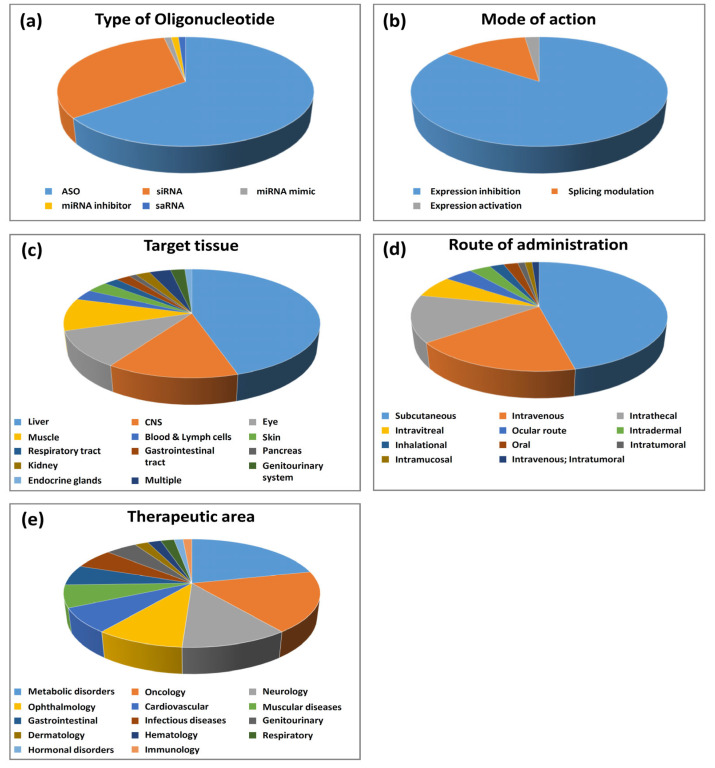
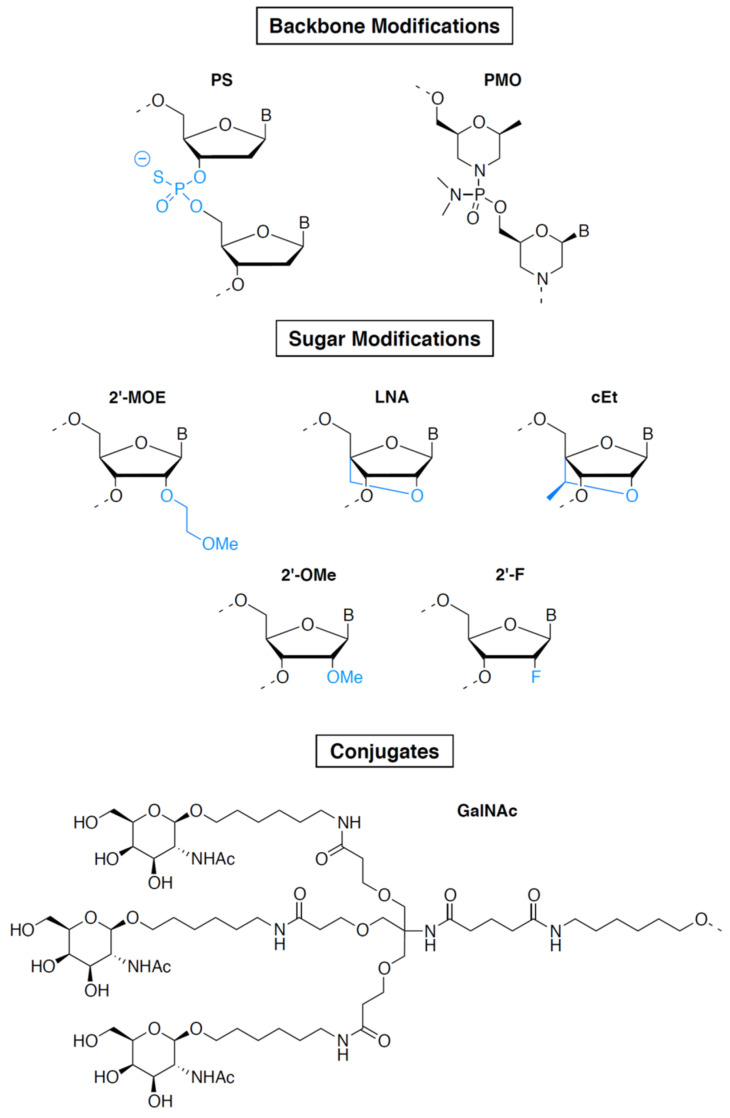
Following the first proof of concept of using small nucleic acids to modulate gene expression, a long period of maturation led, at the end of the last century, to the first marketing authorization of an oligonucleotide-based therapy. Since then, 12 more compounds have hit the market and many more are in late clinical development. Many companies were founded to exploit their therapeutic potential and Big Pharma was quickly convinced that oligonucleotides could represent credible alternatives to protein-targeting products. Many technologies have been developed to improve oligonucleotide pharmacokinetics and pharmacodynamics. Initially targeting rare diseases and niche markets, oligonucleotides are now able to benefit large patient populations. However, there is still room for oligonucleotide improvement and further breakthroughs are likely to emerge in the coming years. In this review we provide an overview of therapeutic oligonucleotides. We present in particular the different types of oligonucleotides and their modes of action, the tissues they target and the routes by which they are administered to patients, and the therapeutic areas in which they are used. In addition, we present the different ways of patenting oligonucleotides. We finally discuss future challenges and opportunities for this drug-discovery platform.
Keywords: antisense; exon skipping; intellectual property; microRNA; nucleic acid targeting; oligonucleotides; patentability; protection; small activating RNA; small interfering RNA.
Conflict of interest statement
The authors declare no conflict of interest. L.M., A.-C.M., and N.C. are employees of Inserm Transfert, the company had no role in the design of the study; in the collection, analyses, or interpretation of data; in the writing of the manuscript, and in the decision to publish the results.
Figures
References
Publication types
LinkOut - more resources
Full Text Sources
Other Literature Sources
