


Lactate-Loaded Nanoparticles Induce Glioma Cytotoxicity and Increase the Survival of Rats Bearing Malignant Glioma Brain Tumor
- PMID: 35214059
- PMCID: PMC8880216
- DOI: 10.3390/pharmaceutics14020327
Lactate-Loaded Nanoparticles Induce Glioma Cytotoxicity and Increase the Survival of Rats Bearing Malignant Glioma Brain Tumor
Abstract
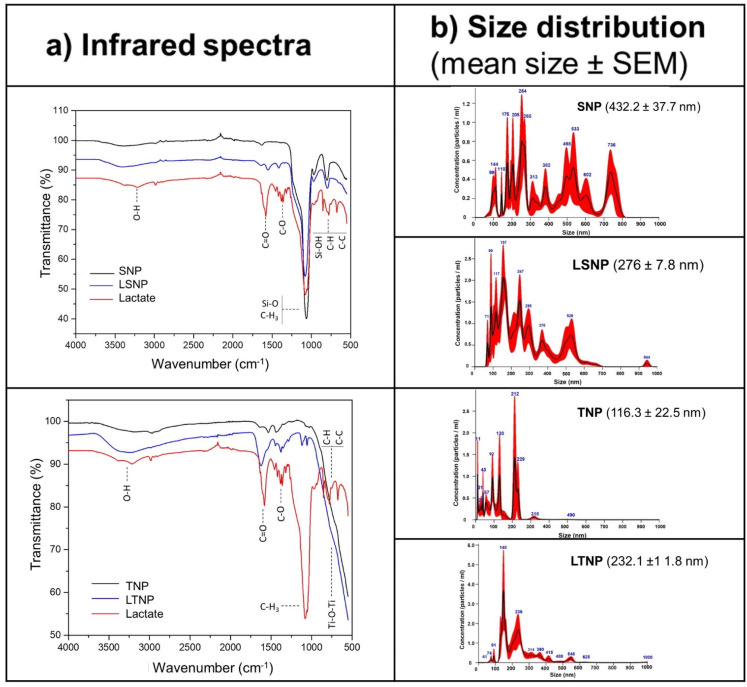
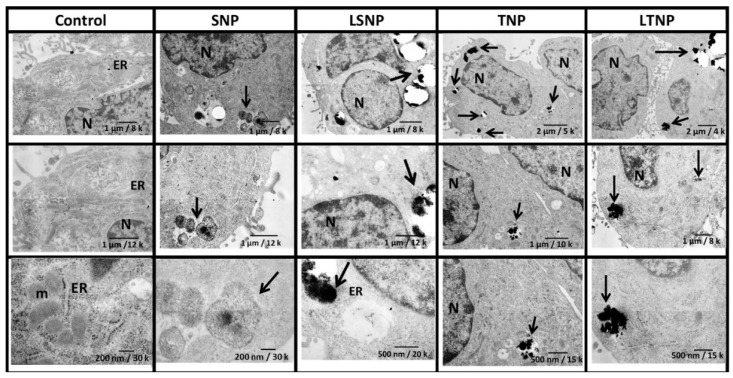
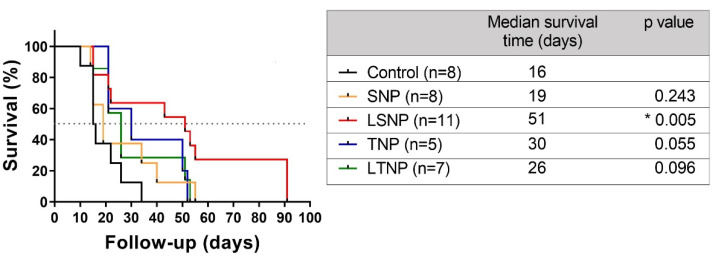
A glioblastoma is an aggressive form of a malignant glial-derived tumor with a poor prognosis despite multimodal therapy approaches. Lactate has a preponderant role in the tumor microenvironment, playing an immunoregulatory role as well as being a carbon source for tumor growth. Lactate homeostasis depends on the proper functioning of intracellular lactate regulation systems, such as transporters and enzymes involved in its synthesis and degradation, with evidence that an intracellular lactate overload generates metabolic stress on tumor cells and tumor cell death. We propose that the delivery of a lactate overload carried in nanoparticles, allowing the intracellular release of lactate, would compromise the survival of tumor cells. We synthesized and characterized silica and titania nanoparticles loaded with lactate to evaluate the cellular uptake, metabolic activity, pH modification, and cytotoxicity on C6 cells under normoxia and chemical hypoxia, and, finally, determined the survival of an orthotopic malignant glioma model after in situ administration. A dose-dependent reduction in metabolic activity of treated cells under normoxia was found, but not under hypoxia, independent of glucose concentration. Lactated-loaded silica nanoparticles were highly cytotoxic (58.1% of dead cells) and generated significant supernatant acidification. In vivo, lactate-loaded silica nanoparticles significantly increased the median survival time of malignant glioma-bearing rats (p = 0.005) when administered in situ. These findings indicate that lactate-loaded silica nanoparticles are cytotoxic on glioma cells in vitro and in vivo.
Keywords: cytotoxicity; glioma; in situ therapy; lactate-loaded nanoparticle; metabolism.
Conflict of interest statement
The authors declare no conflict of interest. The funders had no role in the design of the study; in the collection, analyses, or interpretation of data; in the writing of the manuscript; or in the decision to publish the results.
Figures



References
-
- Fernandes C., Costa A., Osório L., Lago R.C., Linhares P., Carvalho B., Caeiro C. Current Standards of Care in Glioblastoma Therapy. In: De Vleeschouwer S., editor. Glioblastoma. Codon Publications; Brisbane, Australia: 2017. pp. 197–241. - PubMed
-
- Guyon J., Romero-Garmendia I., Bikfalvi A., Daubon T. FSMP-14. Metabolic symbiosis in glioblastoma: Lactate dehydrogenases take the lead. Neuro Oncol. Adv. 2021;3:i19. doi: 10.1093/noajnl/vdab024.078. - DOI
-
- Nikoobakht M., Shamshiripour P., Azimi Nekoo Z., Fallah Haghmohammadi S. Elevated Lactate and Total Protein Levels in Stereotactic Brain Biopsy Specimen; Potential Biomarkers of Malignancy and Poor Prognosis. Arch. Iran. Med. 2019;22:125–131. - PubMed
Grants and funding
LinkOut - more resources
Full Text Sources
