


The Potential Roles of Unique Leaf Structure for the Adaptation of Rheum tanguticum Maxim. ex Balf. in Qinghai-Tibetan Plateau
- PMID: 35214845
- PMCID: PMC8875413
- DOI: 10.3390/plants11040512
The Potential Roles of Unique Leaf Structure for the Adaptation of Rheum tanguticum Maxim. ex Balf. in Qinghai-Tibetan Plateau
Abstract
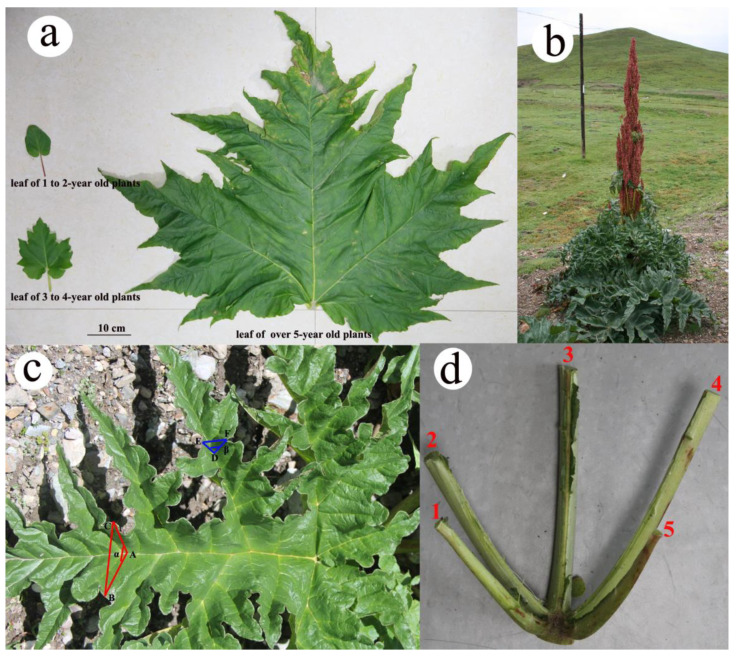
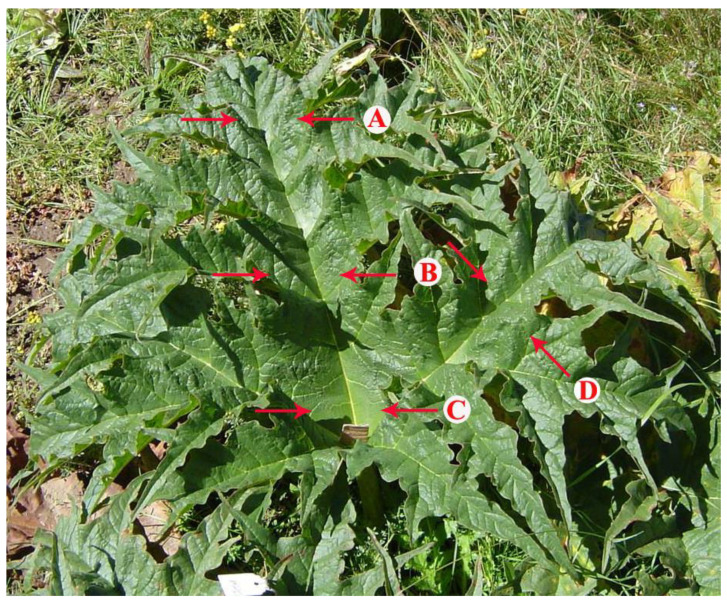
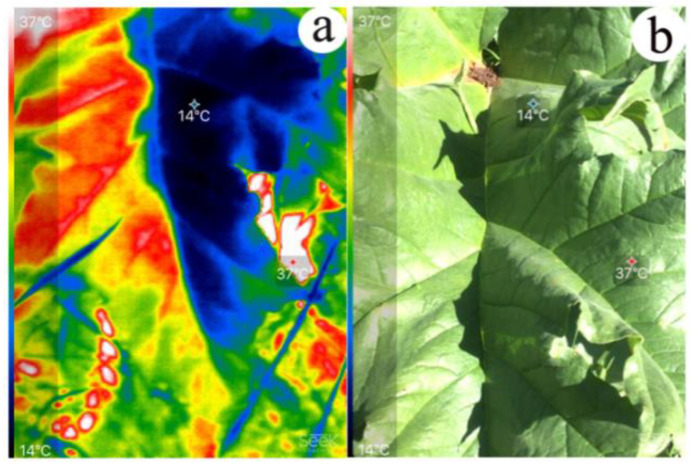
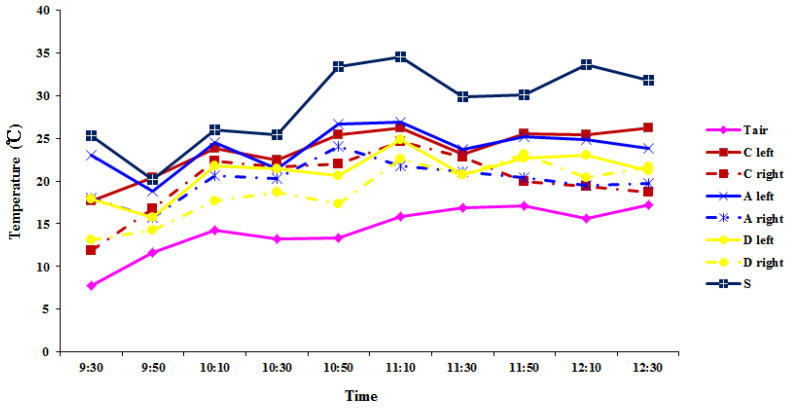
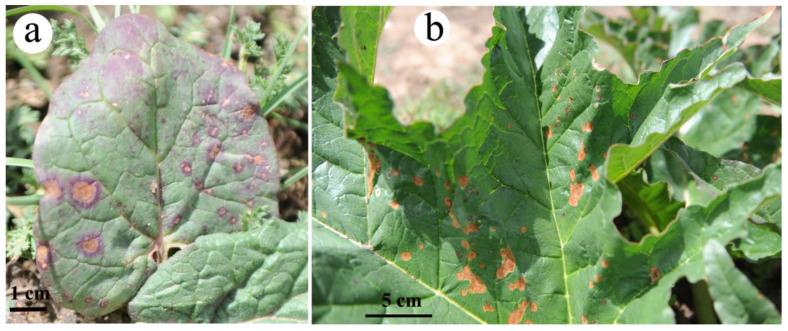
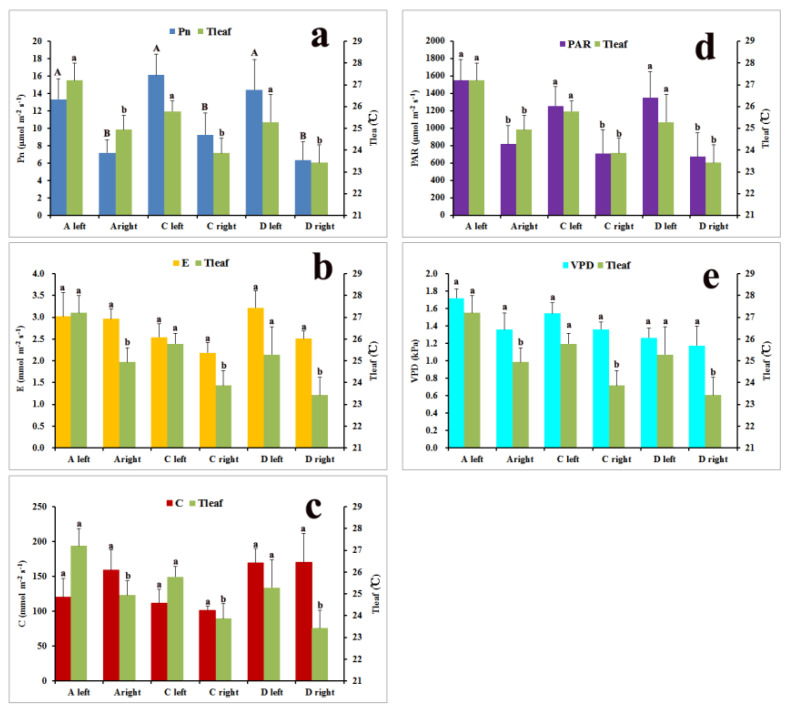
Leaves are essential plant organs with numerous variations in shape and size. The leaf size is generally smaller in plants that thrive in areas of higher elevation and lower annual mean temperature. The Qinghai-Tibetan Plateau is situated at an altitude of >4000 m with relatively low annual average temperatures. Most plant species found on the Qinghai-Tibetan Plateau have small leaves, with Rheum tanguticum Maxim. ex Balf. being an exception. Here, we show that the large leaves of R. tanguticum with a unique three-dimensional (3D) shape are potentially an ideal solution for thermoregulation with little energy consumption. With the increase in age, the shape of R. tanguticum leaves changed from a small oval plane to a large palmatipartite 3D shape. Therefore, R. tanguticum is a highly heteroblastic species. The leaf shape change during the transition from the juvenile to the adult phase of the development in R. tanguticum is a striking example of the manifestation of plant phenotypic plasticity. The temperature variation in different parts of the leaf was a distinct character of leaves of over-5-year-old plants. The temperature of single-plane leaves under strong solar radiation could accumulate heat rapidly and resulted in temperatures much higher than the ambient temperature. However, leaves of over-5-year-old plants could lower leaf temperature by avoiding direct exposure to solar radiation and promoting local airflow to prevent serious tissue damage by sunburn. Furthermore, the net photosynthesis rate was correlated with the heterogeneity of the leaf surface temperature. Our results demonstrate that the robust 3D shape of the leaf is a strategy that R. tanguticum has developed evolutionarily to adapt to the strong solar radiation and low temperature on the Qinghai-Tibetan Plateau.
Keywords: 3D leaf shape; Qinghai–Tibetan Plateau; Rheum tanguticum; heteroblasty; leaf thermoregulation; leaf-surface temperature; phenotypic plasticity.
Conflict of interest statement
The authors declare no conflict of interest. The funders had no role in the design of the study; in the collection, analyses, or interpretation of data; in the writing of the manuscript, or in the decision to publish the results.
Figures
References
Grants and funding
- 2019-ZJ-919/Natural Science Foundation of Qinghai Province
- to Yanping Hu/West Light Foundation of the Chinese Academy of Sciences
- to Yanping Hu/Key Program of the Chinese Academy of Sciences
- LHZX-2020-09/Joint Grant from Chinese Academy of Sciences-People's Government of Qinghai Province on Sanjiangyuan National Park
LinkOut - more resources
Full Text Sources
