


Lance Adams syndrome: two cases report and literature review
- PMID: 35220777
- PMCID: PMC8894979
- DOI: 10.1177/03000605211059933
Lance Adams syndrome: two cases report and literature review
Abstract
Hypoxic myoclonus, also known as Lance Adams syndrome, is a rare syndrome that results from the serious brain damage caused by cerebral hypoxia that often follows cardiopulmonary resuscitation. This current case report describes two patients with post-hypoxic myoclonus, both of whom received cardiopulmonary resuscitation. The neurological symptoms of these two patients were significantly improved by the administration of clonazepam and sodium valproate sustained-release tablets. The report presents a literature review detailing the pathogenesis, diagnosis and treatment of Lance Adams syndrome. The timely diagnosis and treatment of Lance Adams syndrome can significantly improve the quality of life of patients. Valproic acid, clonazepam and other antiepileptic drugs can be used. Whether levetiracetam is effective for cortical myoclonus requires further clinical study.
Keywords: Lance Adams syndrome; case report; levetiracetam.
Conflict of interest statement
Figures
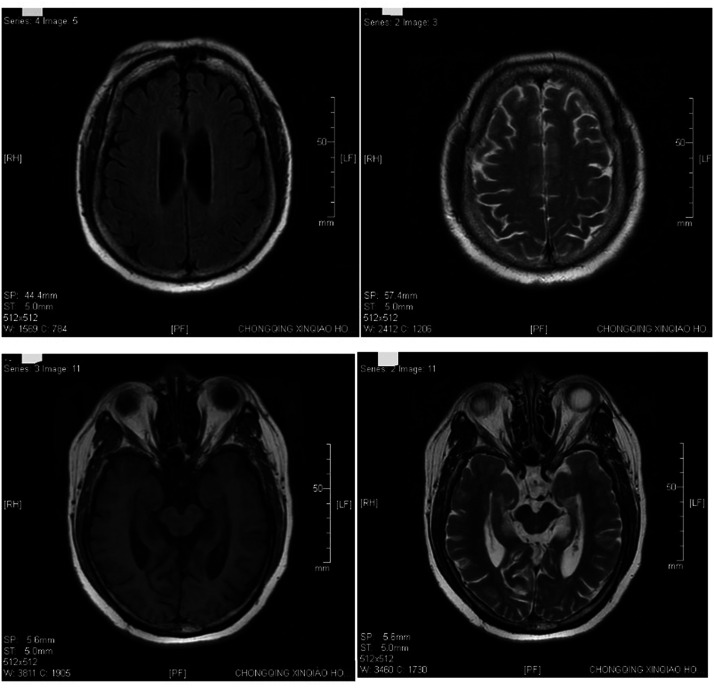
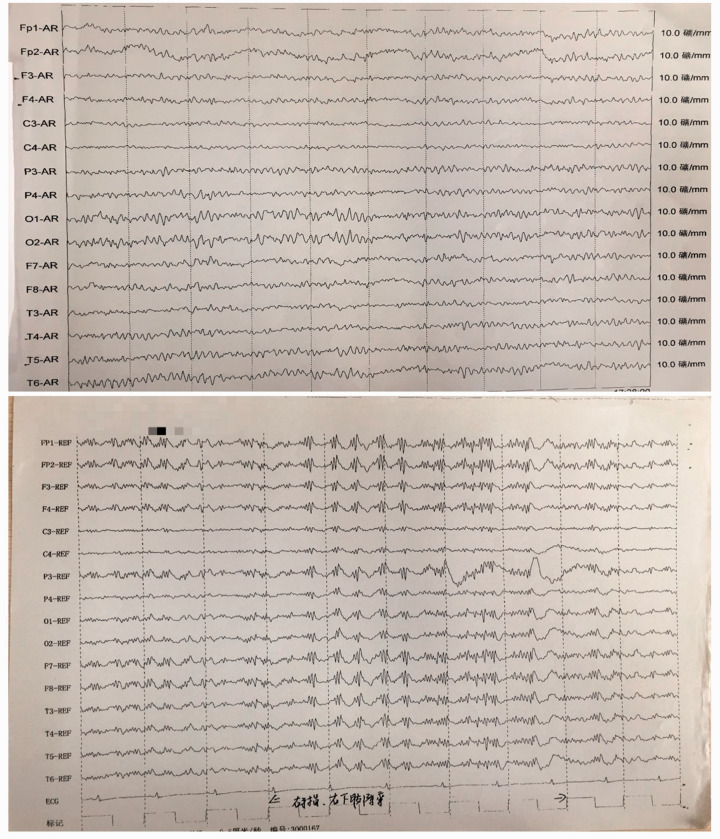
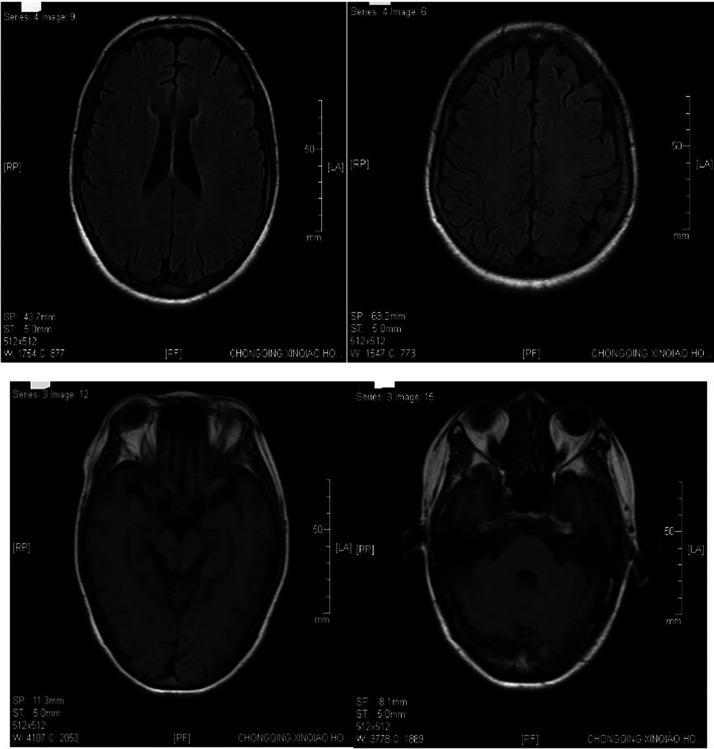
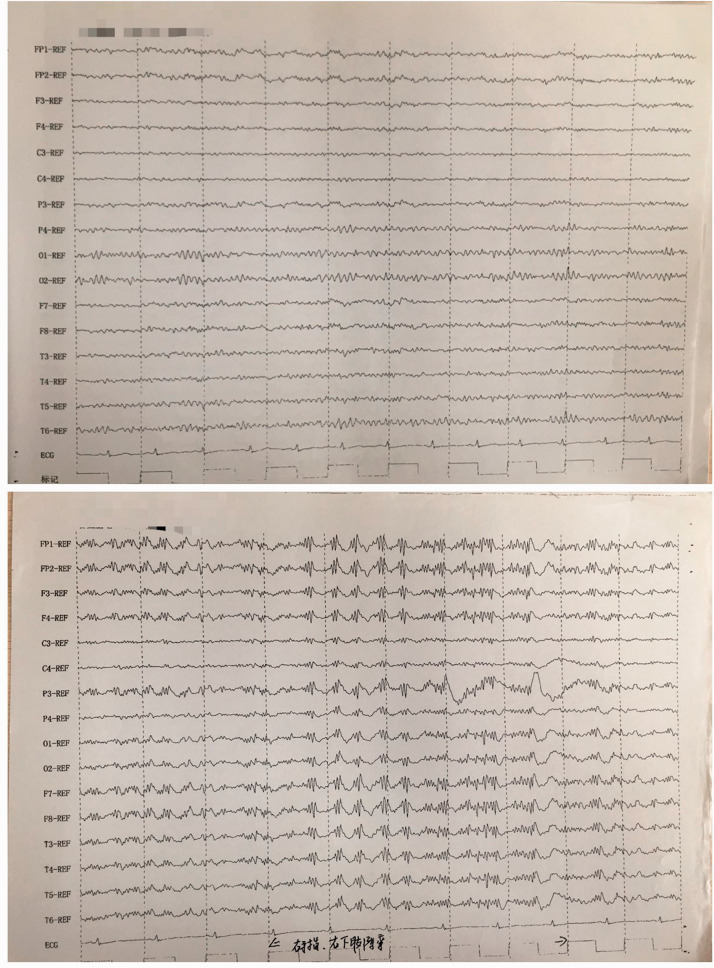
References
-
- Shi X, Bao J, Zhang H, et al.. Emergency medicine in China: A review of the history of progress and current and future challenges after 40 years of reform. Am J Emerg Med 2020; 38: 662–669. - PubMed
-
- Lance JM, Adams RD. The syndrome of intention or action myoclonus as a sequel to hypoxic encephalopathy. Brain 1963; 86: 111–136. - PubMed
-
- Scheibe F, Neumann WJ, Lange C, et al.. Movement disorders after hypoxic brain injury following cardiac arrest in adults. Eur J Neurol 2020; 27: 1937–1947. - PubMed
-
- van Zijl JC, Beudel M, vd Hoeven HJ, et al.. Electroencephalographic Findings in Posthypoxic Myoclonus. J Intensive Care Med 2016; 31: 270–275. - PubMed
Publication types
MeSH terms
Substances
LinkOut - more resources
Full Text Sources
Medical
