


Exploring the Anti-Pulmonary Fibrosis Mechanism of Jingyin Granule by Network Pharmacology Strategy
- PMID: 35222040
- PMCID: PMC8874130
- DOI: 10.3389/fphar.2022.825667
Exploring the Anti-Pulmonary Fibrosis Mechanism of Jingyin Granule by Network Pharmacology Strategy
Abstract
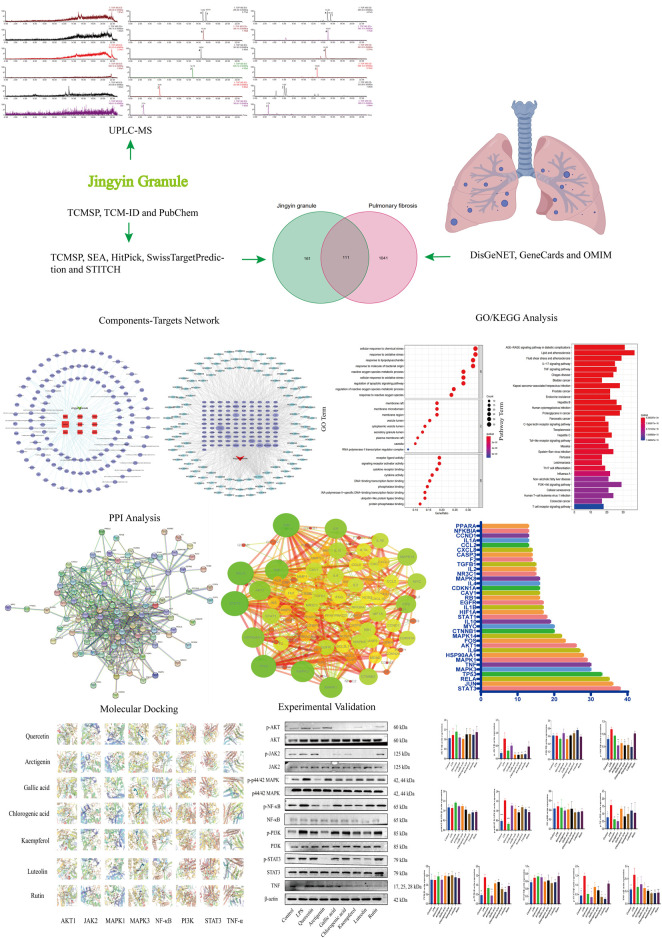
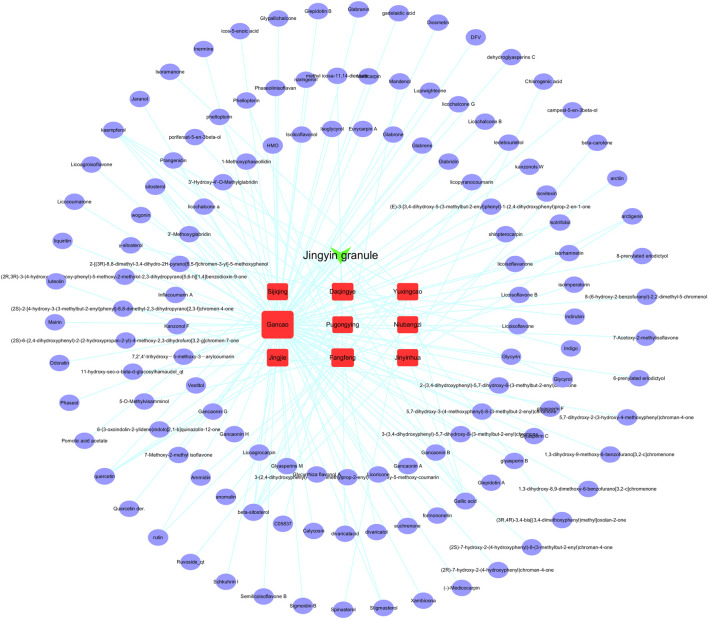
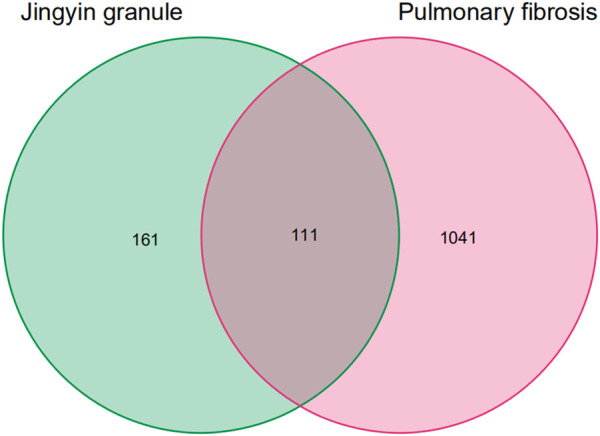
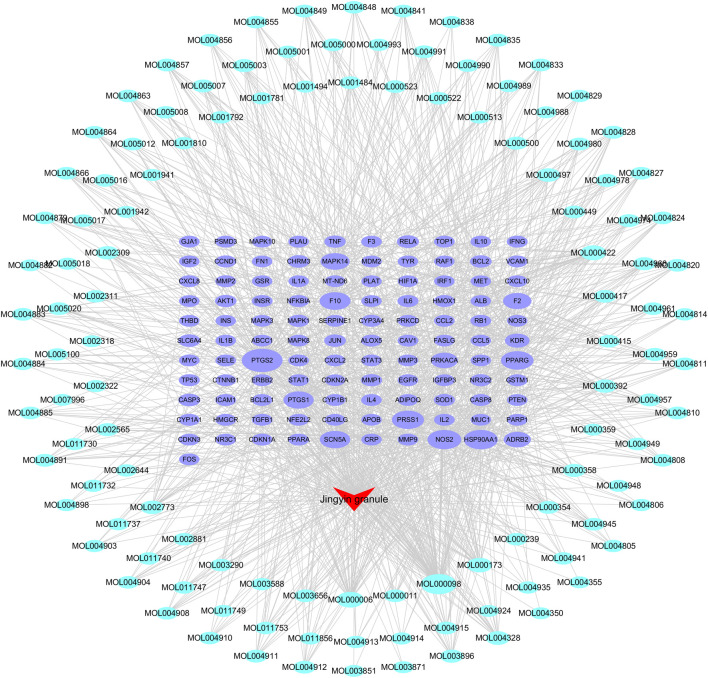
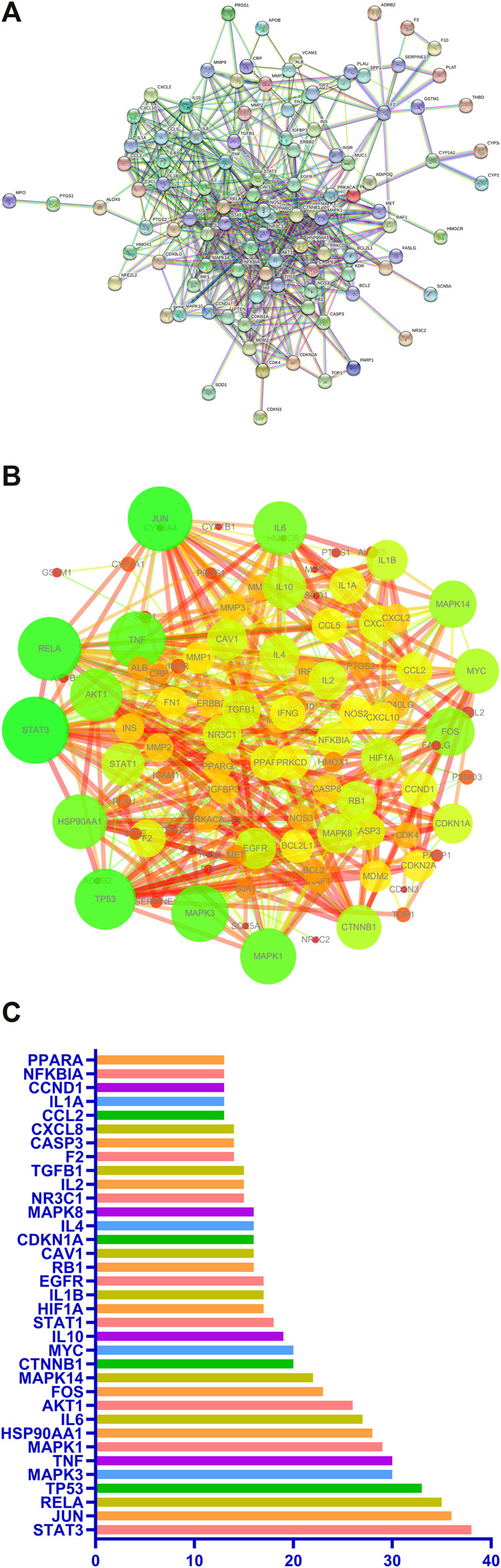
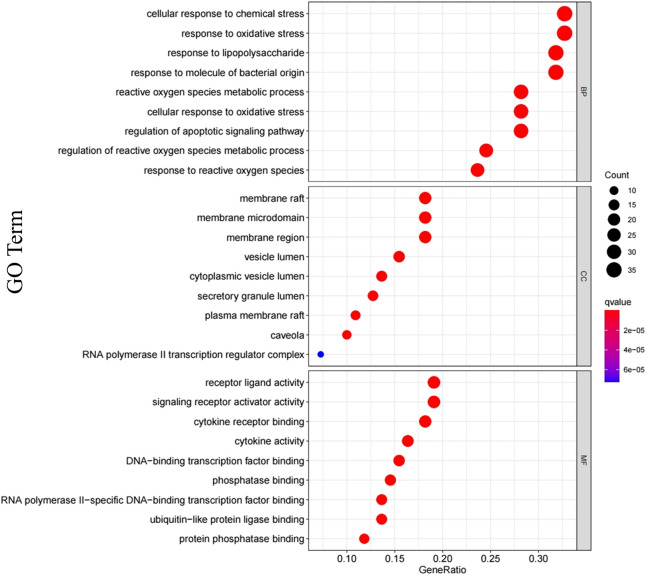
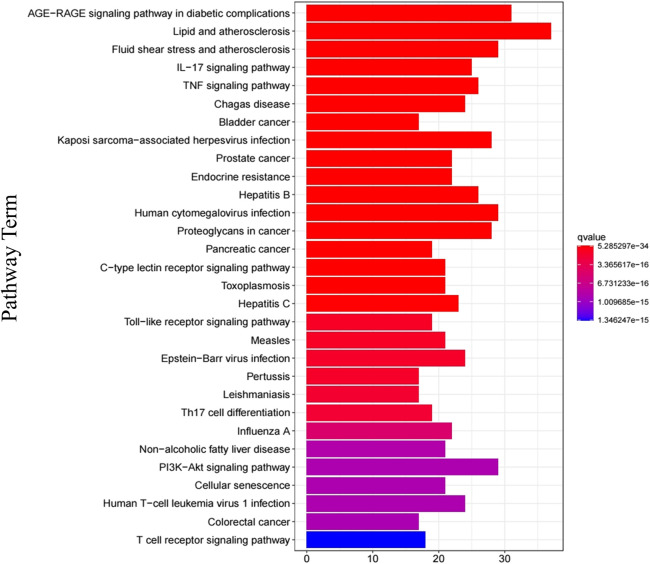
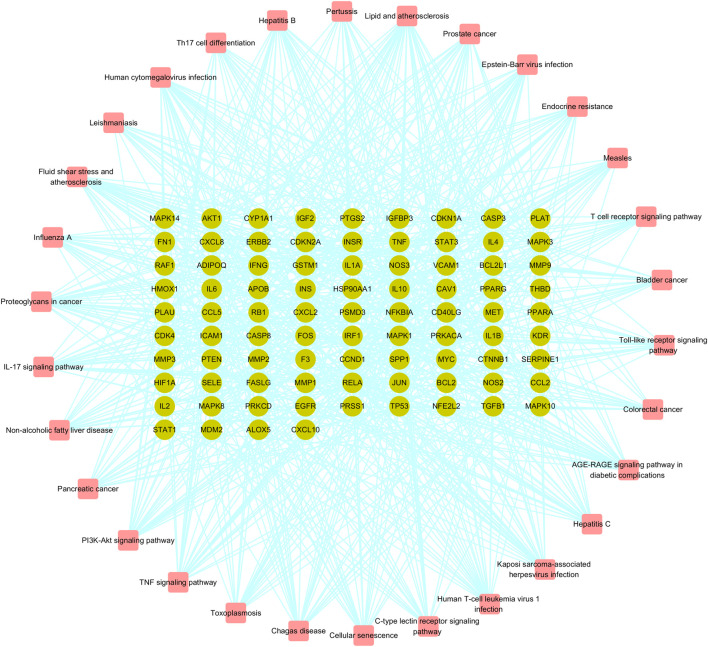
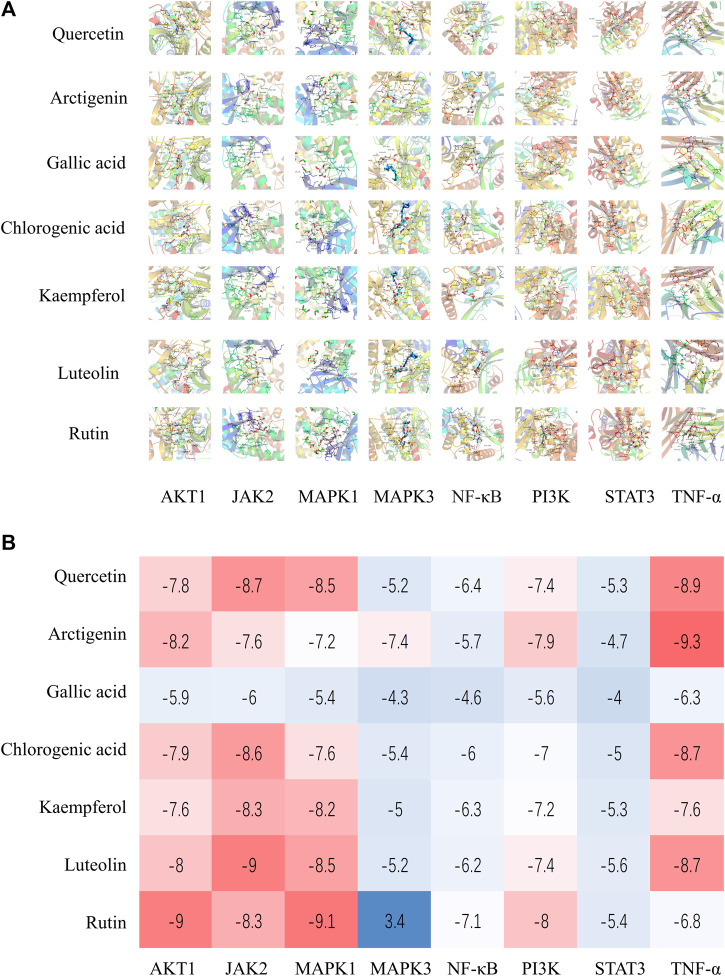
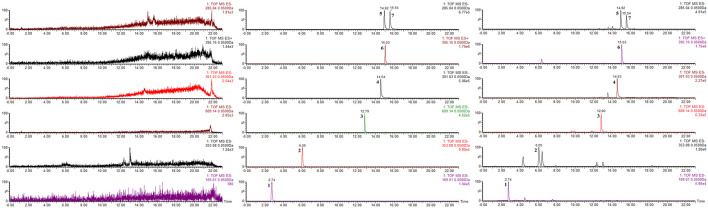
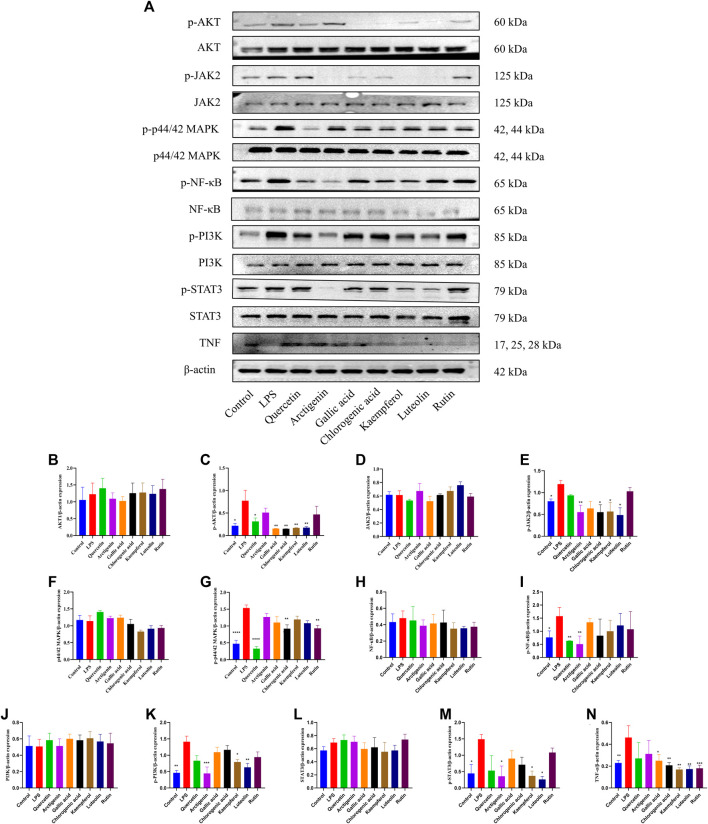
Pulmonary fibrosis (PF) is a clinically common disease caused by many factors, which will lead to lung function decline and even respiratory failure. Jingyin granule has been confirmed to have anti-inflammatory and antiviral effects by former studies, and has been recommended for combating H1N1 influenza A virus (H1N1) infection and Coronavirus disease 2019 (COVID-19) in China. At present, studies have shown that patients with severe COVID-19 infection developed lung fibrotic lesions. Although Jingyin granule can improve symptoms in COVID-19 patients, no study has yet reported whether it can attenuate the process of PF. Here, we explored the underlying mechanism of Jingyin granule against PF by network pharmacology combined with in vitro experimental validation. In the present study, the active ingredients as well as the corresponding action targets of Jingyin granule were firstly collected by TCMSP and literature data, and the disease target genes of PF were retrieved by disease database. Then, the common targets were subjected to Gene Ontology (GO) and Kyoto Encyclopedia of Genes and Genomes (KEGG) enrichment analyses, and then a PPI network and an ingredient-target network were constructed. Next, UPLC-MS was used to isolate and identify selected representative components in Jingyin granule. Finally, LPS was used to induce the A549 cell fibrosis model to verify the anti-PF effect of Jingyin granule in vitro. Our results indicated that STAT3, JUN, RELA, MAPK3, TNF, MAPK1, IL-6, and AKT1 were core targets of action and bound with good affinity to selected components, and Jingyin granule may alleviate PF progression by Janus kinase 2/signal transducers and activators of transcription (JAK2/STAT3), the mammalian nuclear factor-κB (NF-κB), the phosphatidylinositol 3-kinase (PI3K)/protein kinase B (Akt), tumor necrosis factor (TNF), and the extracellular signal-regulated kinases 1 and 2 (ERK1/2) signaling pathways. Overall, these results provide future therapeutic strategies into the mechanism study of Jingyin granule on PF.
Keywords: Jingyin granule; UPLC-MS; molecular mechanism; network pharmacology; pulmonary fibrosis; signaling pathway analysis.
Copyright © 2022 Zhu, Yu, Jiang, Wang and Shen.
Conflict of interest statement
M-FJ and D-DW are employed by SPH Xing Ling Sci. & Tech. Pharmaceutical Co., Ltd. The remaining authors declare that the research was conducted in the absence of any commercial or financial relationships that could be construed as a potential conflict of interest.
Figures
References
LinkOut - more resources
Full Text Sources
Miscellaneous
