


Synthesis and defect characterization of hybrid ceria nanostructures as a possible novel therapeutic material towards COVID-19 mitigation
- PMID: 35228568
- PMCID: PMC8885868
- DOI: 10.1038/s41598-022-07200-9
Synthesis and defect characterization of hybrid ceria nanostructures as a possible novel therapeutic material towards COVID-19 mitigation
Abstract
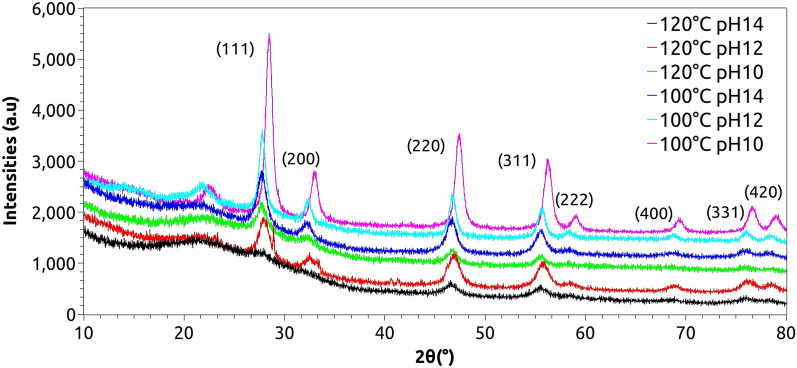
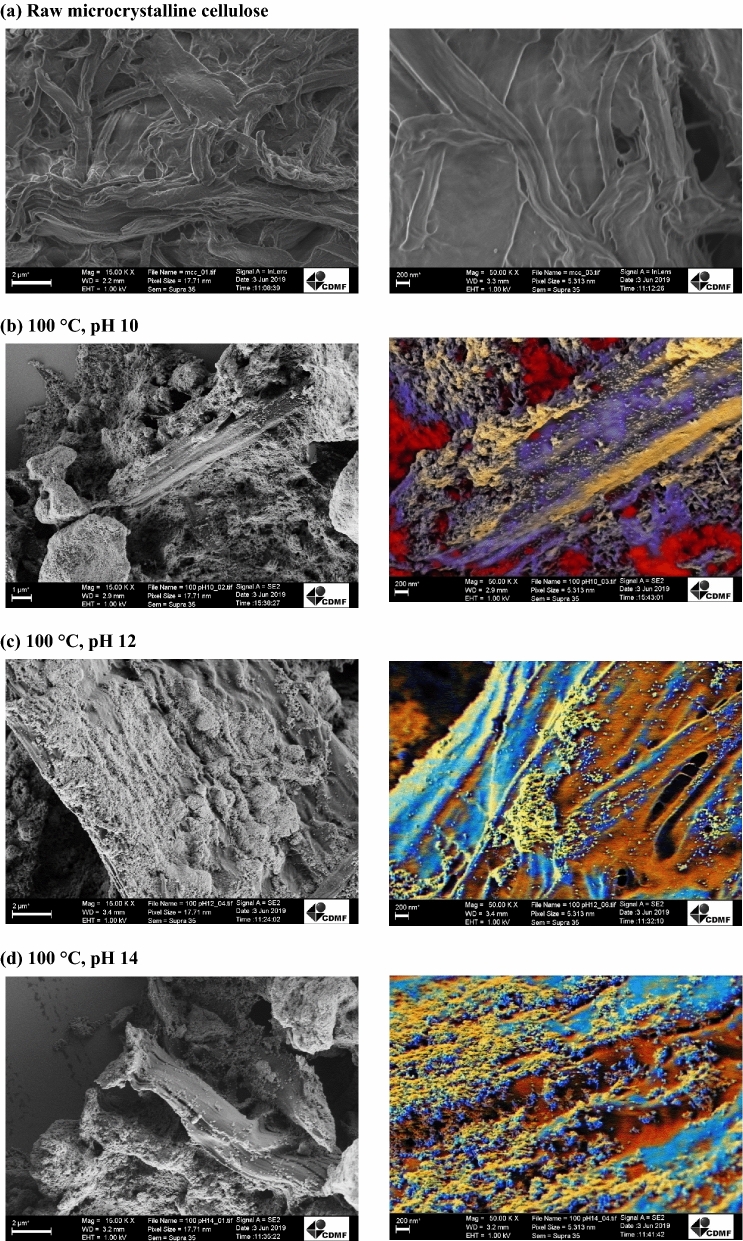
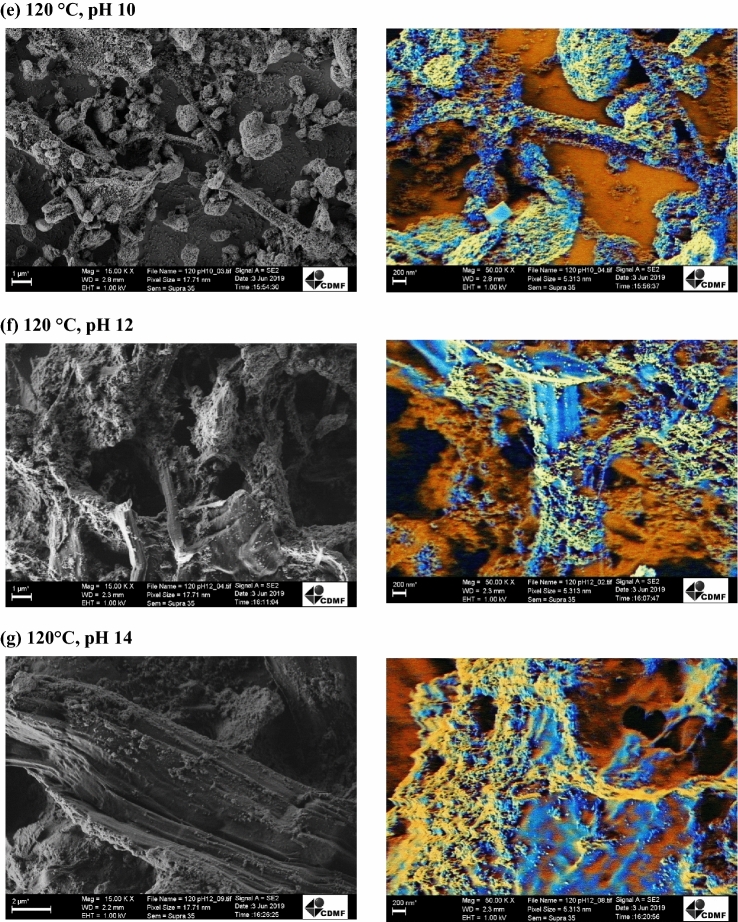
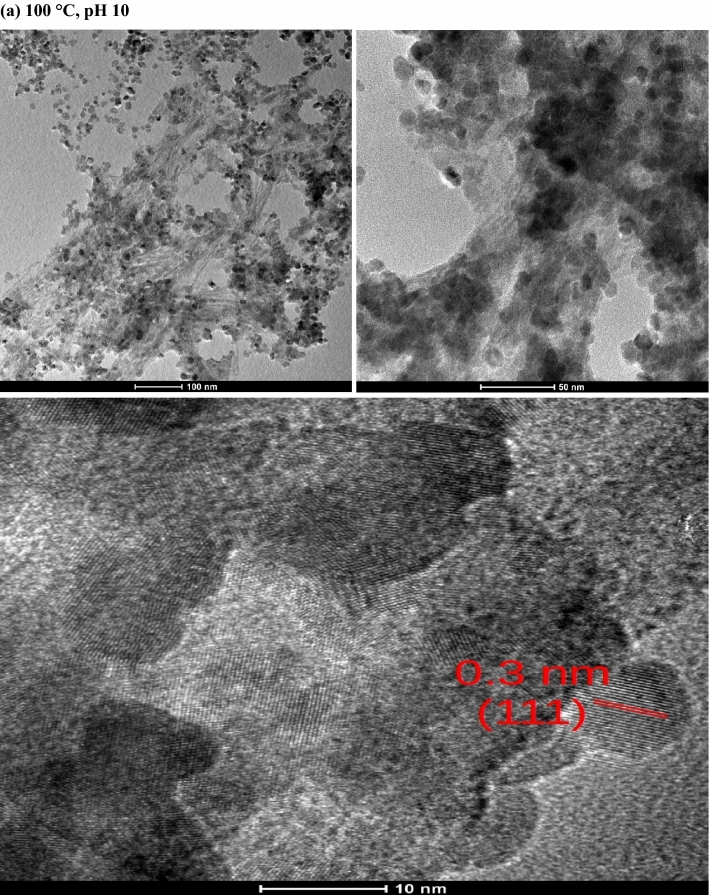
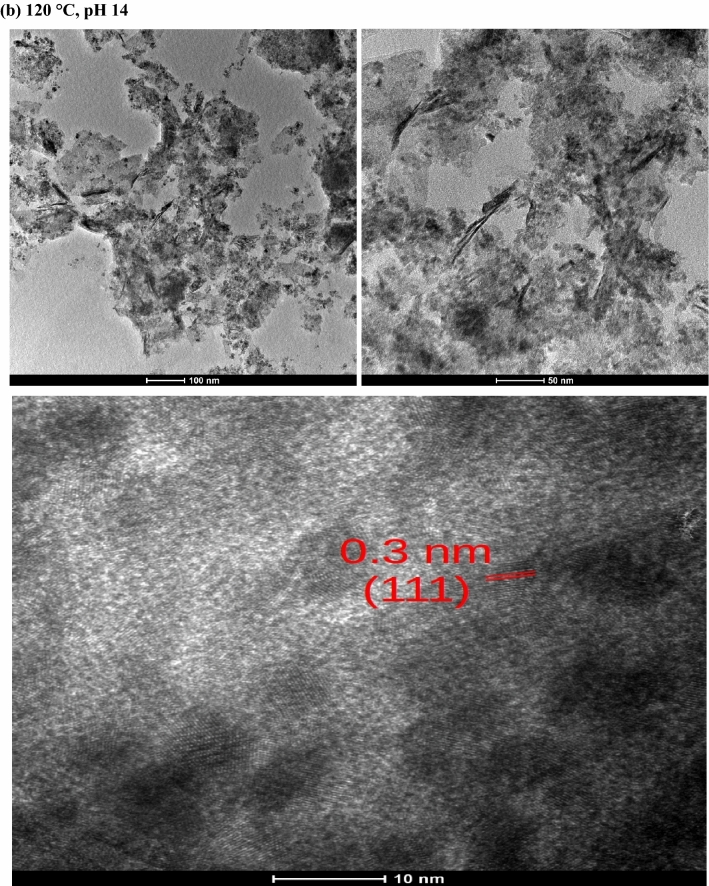
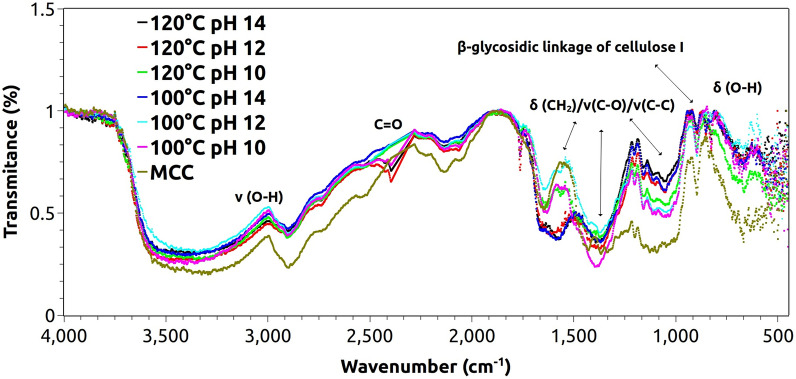
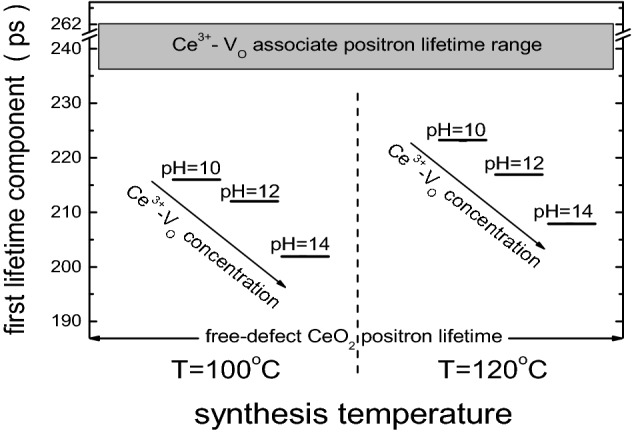
This study reports the synthesis of hybrid nanostructures composed of cerium dioxide and microcrystalline cellulose prepared by the microwave-assisted hydrothermal route under distinct temperature and pH values. Their structural, morphological and spectroscopic behaviors were investigated by X-Rays Diffraction, Field Emission Gun Scanning Electron Microscopy, High-Resolution Transmission Electron Microscopy, and Fourier-Transform Infrared, Ultraviolet-Visible, Raman and Positron Annihilation Lifetime spectroscopies to evaluate the presence of structural defects and their correlation with the underlying mechanism regarding the biocide activity of the studied material. The samples showed mean crystallite sizes around 10 nm, characterizing the formation of quantum dots unevenly distributed along the cellulose surface with a certain agglomeration degree. The samples presented the characteristic Ce-O vibration close to 450 cm-1 and a second-order mode around 1050 cm-1, which is indicative of distribution of localized energetic levels originated from defective species, essential in the scavenging of reactive oxygen species. Positron spectroscopic studies showed first and second lifetime components ranging between 202-223 ps and 360-373 ps, respectively, revealing the presence of two distinct defective oxygen species, in addition to an increment in the concentration of Ce3+-oxygen vacancy associates as a function of temperature. Therefore, we have successfully synthesized hybrid nanoceria structures with potential multifunctional therapeutic properties to be further evaluated against the COVID-19.
© 2022. The Author(s).
Conflict of interest statement
The authors declare no competing interests.
Figures


References
-
- Munster VJ, Koopmans M, van Doremalen N, van Riel D, de Wit E. A novel coronavirus emerging in China: Key questions for impact assessment. N. Engl. J. Med. 2020;382:692–694. - PubMed
-
- Zinatloo-Ajabshir S, Morassaei MS, Amiri O, Salavati-Niasari M. Green synthesis of dysprosium stannate nanoparticles using Ficus carica extract as photocatalyst for the degradation of organic pollutants under visible irradiation. Ceram. Int. 2020;46:6095–6107.
-
- Etemadi H, Afsharkia S, Zinatloo-Ajabshir S, Shokri E. Effect of alumina nanoparticles on the antifouling properties of polycarbonate-polyurethane blend ultrafiltration membrane for water treatment. Polym. Eng. Sci. 2021;61:2364–2375.
Publication types
MeSH terms
Substances
Grants and funding
- 2018/20590-0/Fundação de Amparo à Pesquisa do Estado de São Paulo
- 13/07296-2/Fundação de Amparo à Pesquisa do Estado de São Paulo
- 13/07296-2/Fundação de Amparo à Pesquisa do Estado de São Paulo
- 001/Coordenação de Aperfeiçoamento de Pessoal de Nível Superior
- PICT 2015- 1832/Agencia Nacional de Promoción Científica y Tecnológica
LinkOut - more resources
Full Text Sources
