


EVITA Dengue: a cluster-randomized controlled trial to EValuate the efficacy of Wolbachia-InfecTed Aedes aegypti mosquitoes in reducing the incidence of Arboviral infection in Brazil
- PMID: 35236394
- PMCID: PMC8889395
- DOI: 10.1186/s13063-022-05997-4
EVITA Dengue: a cluster-randomized controlled trial to EValuate the efficacy of Wolbachia-InfecTed Aedes aegypti mosquitoes in reducing the incidence of Arboviral infection in Brazil
Abstract
Background: Arboviruses transmitted by Aedes aegypti including dengue, Zika, and chikungunya are a major global health problem, with over 2.5 billion at risk for dengue alone. There are no licensed antivirals for these infections, and safe and effective vaccines are not yet widely available. Thus, prevention of arbovirus transmission by vector modification is a novel approach being pursued by multiple researchers. However, the field needs high-quality evidence derived from randomized, controlled trials upon which to base the implementation and maintenance of vector control programs. Here, we report the EVITA Dengue trial design (DMID 17-0111), which assesses the efficacy in decreasing arbovirus transmission of an innovative approach developed by the World Mosquito Program for vector modification of Aedes mosquitoes by Wolbachia pipientis.
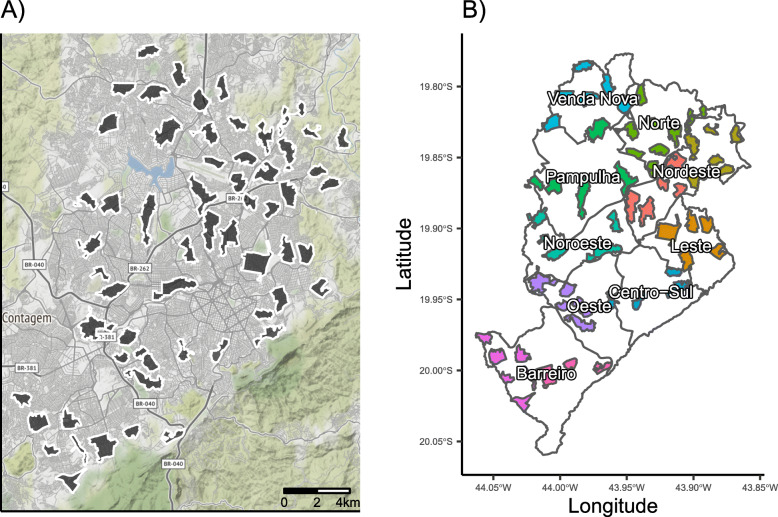
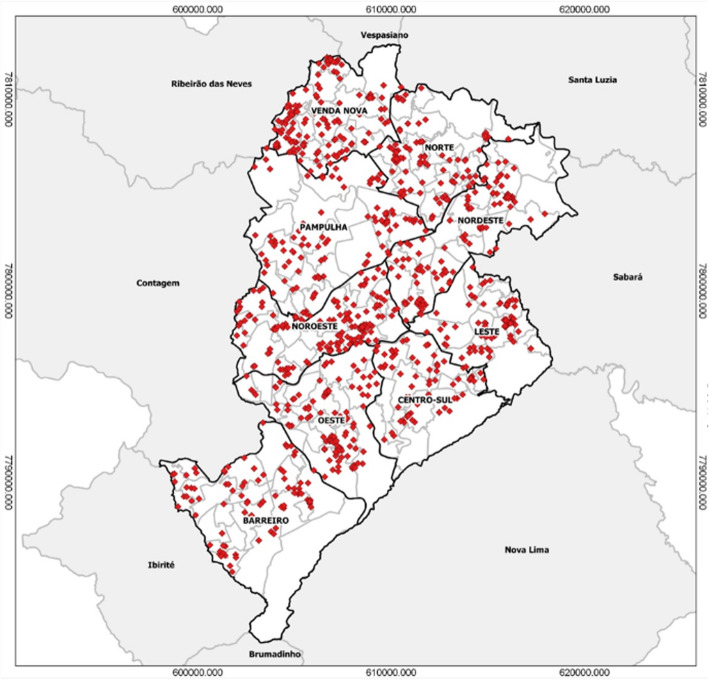
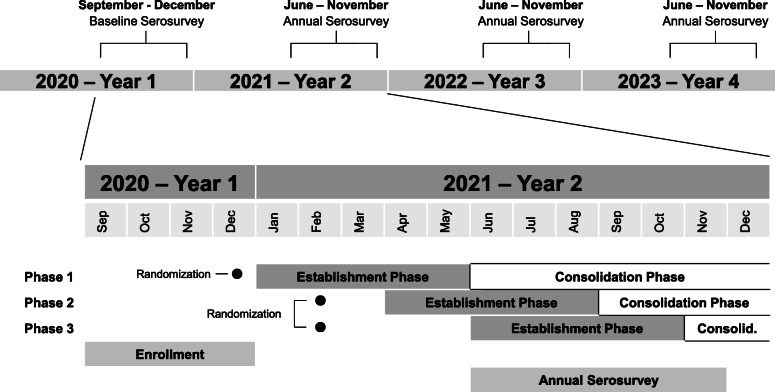
Methods: DMID 17-0111 is a cluster-randomized trial in Belo Horizonte, Brazil, with clusters defined by primary school catchment areas. Clusters (n = 58) will be randomized 1:1 to intervention (release of Wolbachia-infected Aedes aegypti mosquitoes) vs. control (no release). Standard vector control activities (i.e., insecticides and education campaigns for reduction of mosquito breeding sites) will continue as per current practice in the municipality. Participants (n = 3480, 60 per cluster) are children aged 6-11 years enrolled in the cluster-defining school and living within the cluster boundaries who will undergo annual serologic surveillance for arboviral infection. The primary objective is to compare sero-incidence of arboviral infection between arms.
Discussion: DMID 17-0111 aims to determine the efficacy of Wolbachia-infected mosquito releases in reducing human infections by arboviruses transmitted by Aedes aegypti and will complement the mounting evidence for this method from large-scale field releases and ongoing trials. The trial also represents a critical step towards robustness and rigor for how vector control methods are assessed, including the simultaneous measurement and correlation of entomologic and epidemiologic outcomes. Data from this trial will inform further the development of novel vector control methods.
Trial registration: ClinicalTrials.gov NCT04514107 . Registered on 17 August 2020 Primary sponsor: National Institute of Health, National Institute of Allergy and Infectious Diseases.
Keywords: Arbovirus; Chikungunya; Clinical trial; Cluster-randomized controlled trial; Dengue; Prevention; Vector control; Vector-borne disease; Wolbachia; Zika.
© 2022. The Author(s).
Conflict of interest statement
The authors declare that they have no competing interests.
Figures
References
Publication types
MeSH terms
Associated data
Grants and funding
LinkOut - more resources
Full Text Sources
Medical
