


Analysis of colistin resistance in carbapenem-resistant Enterobacterales and XDR Klebsiella pneumoniae
- PMID: 35237435
- PMCID: PMC8883296
- DOI: 10.1177/20499361221080650
Analysis of colistin resistance in carbapenem-resistant Enterobacterales and XDR Klebsiella pneumoniae
Abstract
Introduction: Increasing occurrence of infections caused by multidrug-resistant Gram-negative bacteria resulted in colistin being the last agent for treatment. Apart from plasmid-mediated mcr genes, mutations involving several genes like mgrB, phoP/phoQ, pmrA, pmrB, pmrC, and crrABC genes, are leading causes of colistin resistance. Four colistin susceptibility testing methods were compared against broth microdilution (BMD) and determined the presence of the mcr1-5 gene.
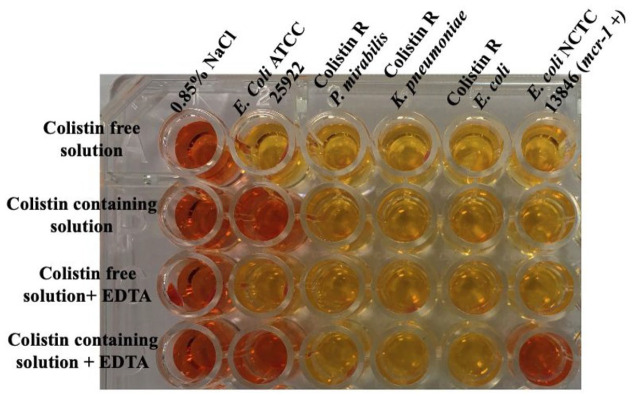
Methodology: A total of 100 carbapenem-resistant Enterobacterales isolates were tested for colistin susceptibility by commercial broth microdilution (cBMD), E-test, VITEK-2, and rapid polymyxin NP assay (RPNP) and compared with BMD. The presence of the mcr1-5 gene was determined by modified RPNP and PCR. Two non-mcr colistin-resistant XDR isolates were subjected to whole-genome sequencing using Illumina MiSeq sequencing platform.
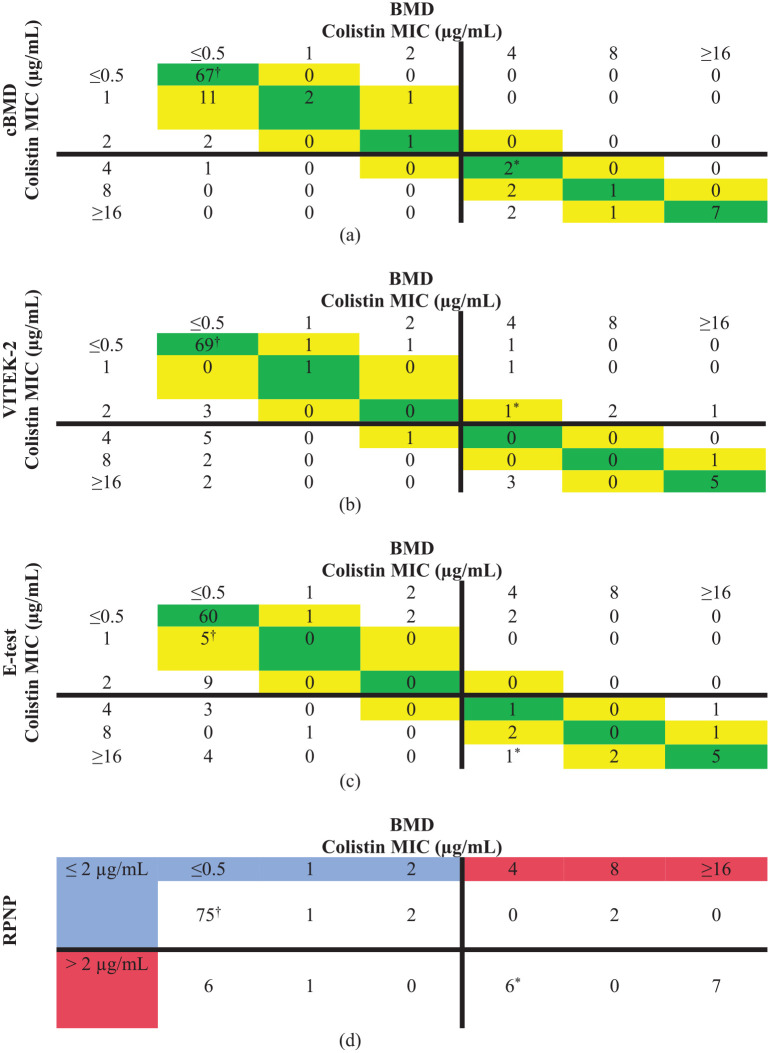
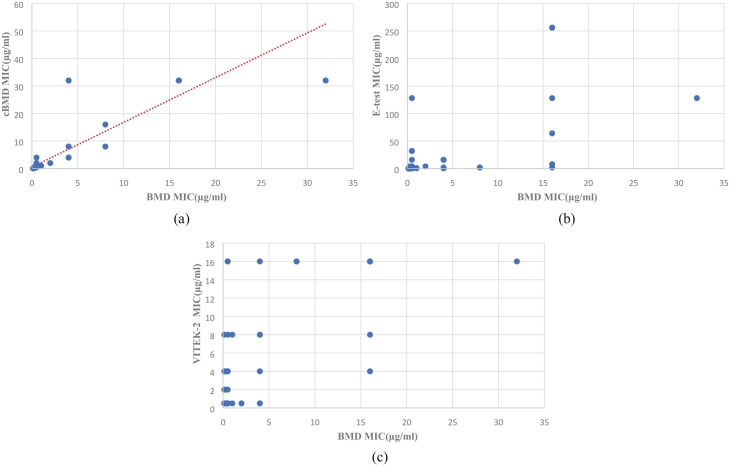
Results: Among 100 carbapenem-resistant Enterobacterales isolates, 15% were resistant to colistin. Essential agreement, categorical agreement, major error, and very major error for cBMD/E-test/VITEK-2/RPNP were 96%/73%/82%/NA; 99%/86%/88%/91%, 1.2%/9.4%/11.8%/8.2% and 0%/40%/13.3%/13.3%, respectively. Only one Klebsiella pneumoniae isolate harbored the mcr-1 gene, observed by both methods. Whole-genome sequencing of two non-mcr XDR Klebsiella pneumoniae showed multiple mutations in 10 genes responsible for lipopolysaccharide biosynthesis.
Conclusions: The performance of cBMD was excellent, whereas the E-test was unacceptable. VITEK-2 and RPNP performed better but remained unreliable due to high error rates. Multiple mutations in the target proteins involving lipopolysaccharide formation, modification, and regulation were seen, resulting in colistin resistance.
Keywords: Whole-genome sequencing; broth microdilution; carbapenem-resistant Enterobacterales; colistin; mcr-1.
© The Author(s), 2022.
Conflict of interest statement
Conflict of interest statement: The authors declared no potential conflicts of interest with respect to the research, authorship, and/or publication of this article.
Figures
References
-
- Stein A, Raoult D. Colistin: an antimicrobial for the 21st century? Clin Infect Dis 2002; 35: 901–902. - PubMed
-
- Falagas ME, Rafailidis PI, Kasiakou SK, et al. Effectiveness and nephrotoxicity of colistin monotherapy vs. Colistin-meropenem combination therapy for multidrug-resistant Gram-negative bacterial infections. Clin Microbiol Infect 2006; 12: 1227–1230. - PubMed
-
- Li J, Nation RL, Turnidge JD, et al. Colistin: the re-emerging antibiotic for multidrug-resistant Gram-negative bacterial infections. Lancet Infect Dis 2006; 6: 589–601. - PubMed
LinkOut - more resources
Full Text Sources
Molecular Biology Databases
Miscellaneous
