


The Impact of Adverse Childhood Experiences on Health and Development in Young Children
- PMID: 35237713
- PMCID: PMC8882933
- DOI: 10.1177/2333794X221078708
The Impact of Adverse Childhood Experiences on Health and Development in Young Children
Abstract
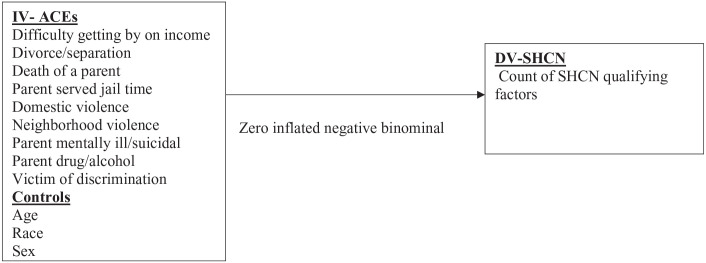
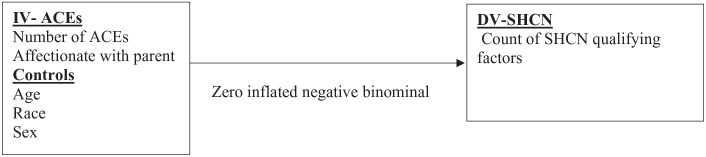
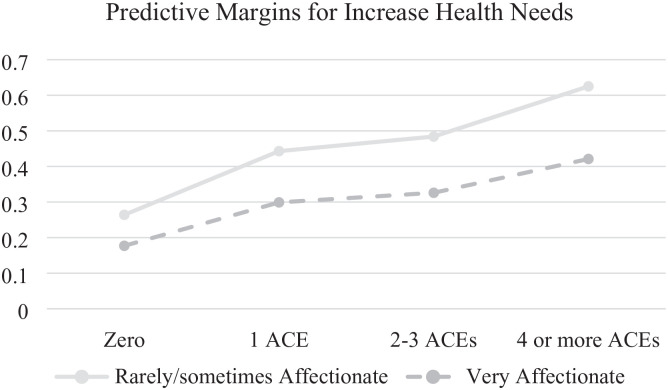
In recent years, there have been advances in research regarding the prevalence of Adverse Childhood Experiences (ACEs) and resulting poor outcomes for children who have experiences ACES. ACE exposure has been connected with poor academic performance, poor health outcomes, and certain diseases. However, there is still relatively little known about the prevalence and impact of ACE exposure in early childhood. Using the 2016 National Survey of Children's Health, this study assessed the prevalence of adverse childhood experiences for children under the age of six years. This research measured the impact of individual ACEs on health and developmental outcomes and found that financial hardship and parental mental illness both had increased odds of having health and developmental difficulties. Furthermore, this work finds that there is a dose-response relationship between ACE count and increased risk of health and developmental difficulties. Conversely, children who were reported as affectionate with their parent had decreased risk for health and developmental problems. Programs supporting families with young children should focus efforts on enhancing quality of attachment, especially for children experiencing ACEs.
Keywords: Adverse Childhood Experiences (ACEs); attachment; developmental cascades; protective factors; resilience.
© The Author(s) 2022.
Conflict of interest statement
Declaration of Conflicting Interests: The author declared no potential conflicts of interest with respect to the research, authorship, and/or publication of this article.
Figures
References
-
- Bower C, Baldwin S. Poverty, Stress, and Academic Performance: ACE Scores and the WSCC Model in an Urban District. SSRN Electronic Journal, 2017.
-
- Burke Harris N. The Deepest Well: Healing the Long-Term Effects of Childhood Adversity. Houghton Mifflin Harcourt; 2018.
-
- Center for Youth Wellness. ACEs and toxic stress. n.d. Accessed 2019. https://centerforyouthwellness.org/
LinkOut - more resources
Full Text Sources
Medical
Miscellaneous
