


Stephania japonica Ameliorates Scopolamine-Induced Memory Impairment in Mice through Inhibition of Acetylcholinesterase and Oxidative Stress
- PMID: 35237756
- PMCID: PMC8885280
- DOI: 10.1155/2022/8305271
Stephania japonica Ameliorates Scopolamine-Induced Memory Impairment in Mice through Inhibition of Acetylcholinesterase and Oxidative Stress
Abstract
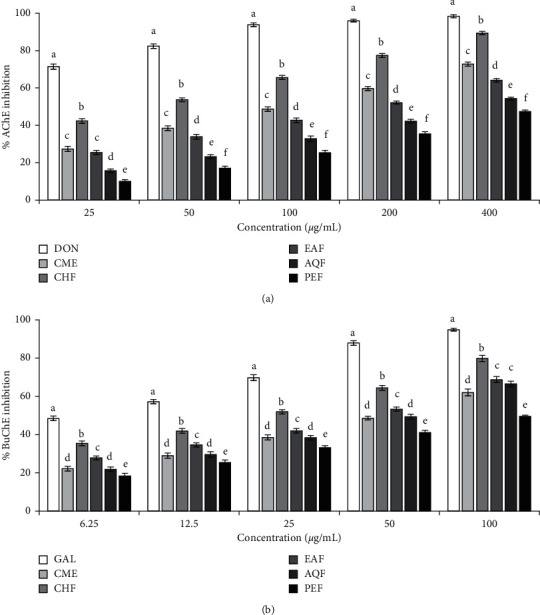
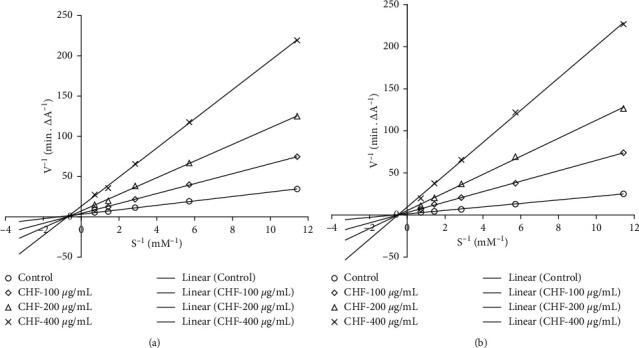
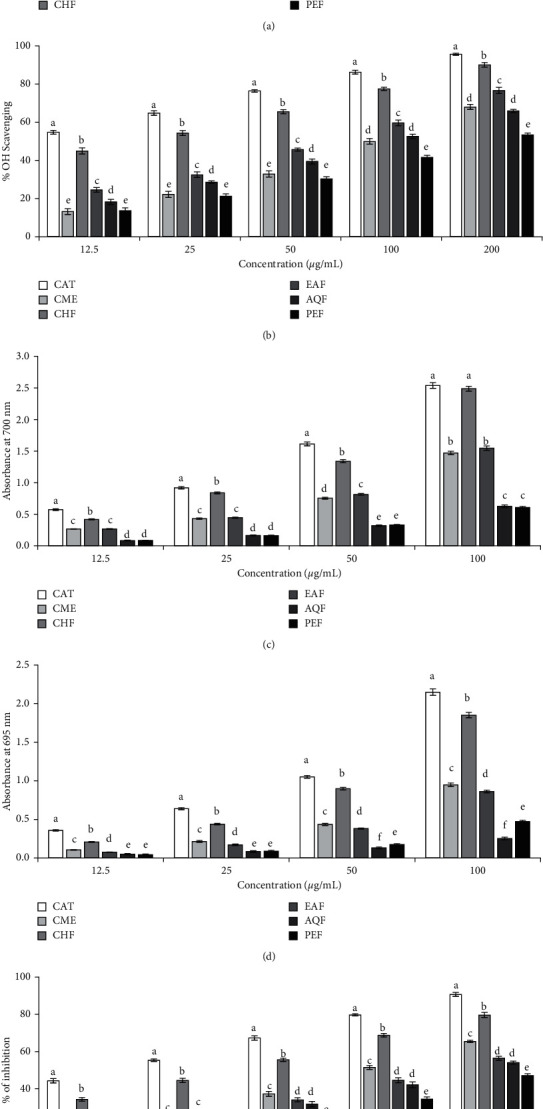
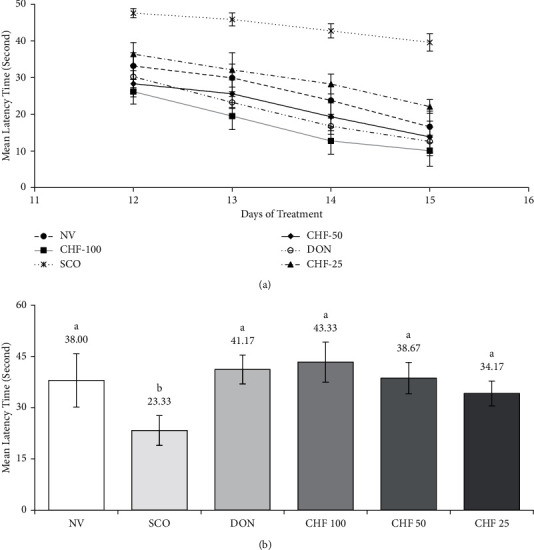
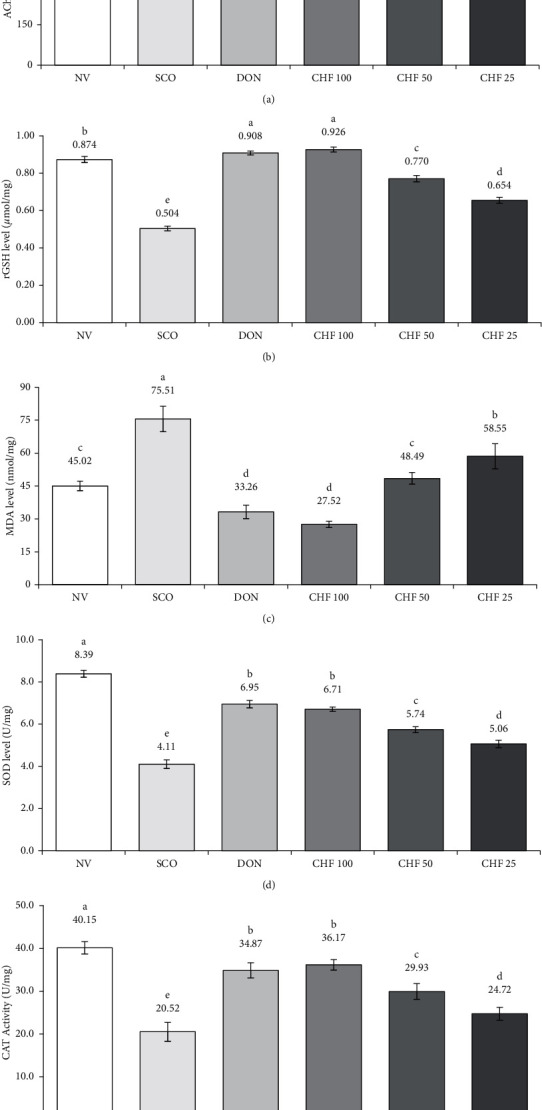
Alzheimer's disease (AD) is a progressive neurological disorder characterized by loss of memory and cognition. Stephania japonica is being used as traditional medicine in the treatment of different neurological problems. In this study, we evaluated the anticholinesterase and antioxidant activities of the crude methanol extract of S. japonica and its fractions in vitro and the neuroprotective effect of the most active fraction in the scopolamine-induced mouse model of memory impairment. Among the crude extract and its fractions, chloroform fraction exerted strong inhibition of acetylcholinesterase and butyrylcholinesterase enzymes with IC50 values of 40.06 and 18.78 µg/mL, respectively. Similarly, the chloroform fraction exhibited potent antioxidant activity and effectively inhibited the peroxidation of brain lipid in vitro. The phytochemical profile revealed the high content of polyphenolics and alkaloids in the chloroform fraction. Pearson's correlation studies showed a significant association of anticholinesterase and antioxidant activity with alkaloid and phenolic contents. Kinetic analysis showed that the chloroform fraction exhibited a noncompetitive type of inhibition. In experimental mice, the chloroform fraction restored the impaired learning and memory induced by scopolamine as evidenced by a significant decrease in latency time and increase of quadrant time in probe trial in Morris water maze task. The chloroform fraction also significantly reduced the activity of acetylcholinesterase and oxidative stress in mice. Our results suggest that the chloroform fraction of S. japonica may represent a potential candidate for the prevention and treatment of AD.
Copyright © 2022 Md. Yusuf Al-Amin et al.
Conflict of interest statement
The authors declare that they have no known conflicts of interest.
Figures
References
-
- Davies P., Maloney A. J. Selective loss of central cholinergic neurons in Alzheimer’s disease. Lancet . 1976;2(8000):p. 1403. - PubMed
-
- Terry A. V., Jr., Buccafusco J. J. The cholinergic hypothesis of age and Alzheimer’s disease-related cognitive deficits: recent challenges and their implications for novel drug development. Journal of Pharmacology and Experimental Therapeutics . 2003;306(3):821–827. doi: 10.1124/jpet.102.041616. - DOI - PubMed
LinkOut - more resources
Full Text Sources