


Association Between Physical Exercise Interventions Participation and Functional Capacity in Individuals with Type 2 Diabetes: A Systematic Review and Meta-Analysis of Controlled Trials
- PMID: 35244804
- PMCID: PMC8897547
- DOI: 10.1186/s40798-022-00422-1
Association Between Physical Exercise Interventions Participation and Functional Capacity in Individuals with Type 2 Diabetes: A Systematic Review and Meta-Analysis of Controlled Trials
Abstract
Background: The prevalence of type 2 diabetes mellitus increases with age, and people with type 2 diabetes are more affected by reductions in functional performance. Although exercise interventions are recommended for people with diabetes, it is relevant to assess the effects of different training modes on the available functional outcomes. Therefore, our purpose was to systematically assess the effect of different physical exercise modalities in patients with type 2 diabetes with an average age of 45 years or older on outcomes used to measure functional capacity.
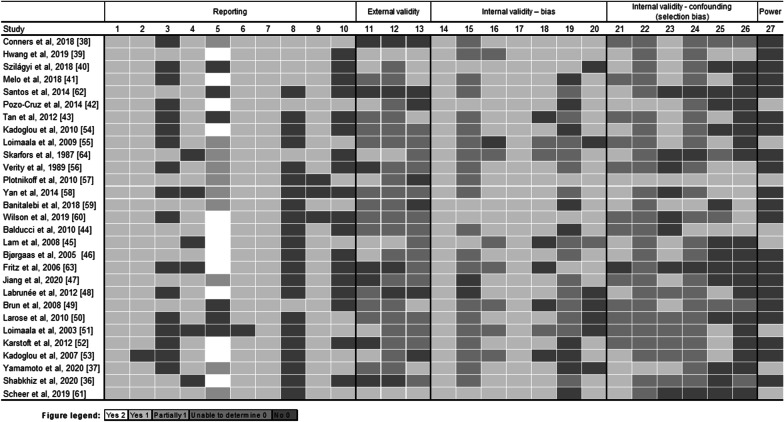
Methods: A systematic review and meta-analysis of controlled trials was conducted. Seven databases were searched from January 1987 to December 2021 (PubMed, Physiotherapy Evidence Database, Cochrane Library, SPORTDiscus, and in grey literature: Open Grey and Google Scholar). Eligible studies should last 8 weeks or longer, comparing structured exercise training and non-exercise control for one out of six pre-specified functional capacity outcomes (Timed Up and Go test, chair stands, walking performance, upper-limb muscle strength, lower-limb muscle strength, physical fitness parameter), in patients with type 2 diabetes, aged ≥ 45 years. The risk of bias was assessed with the Downs & Black checklist. Pooled mean differences were calculated using a random-effects model, followed by sensitivity and meta-regression analyses.
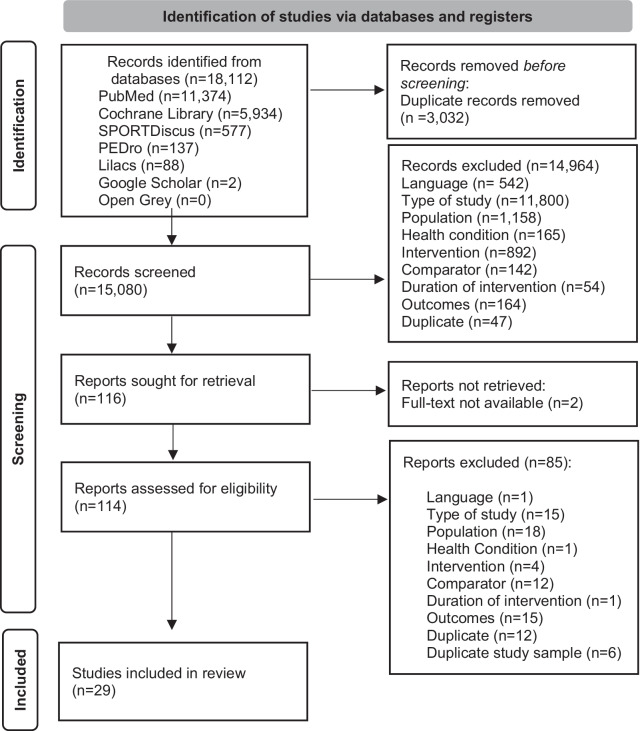
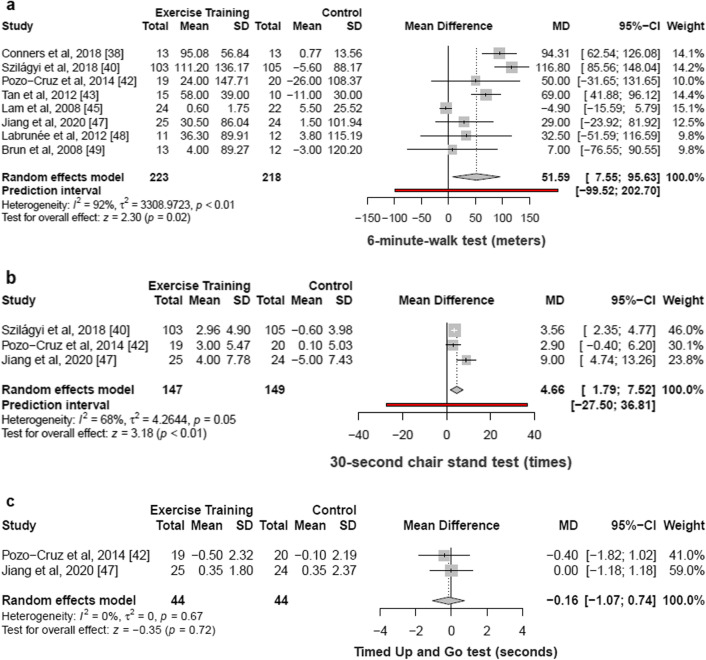
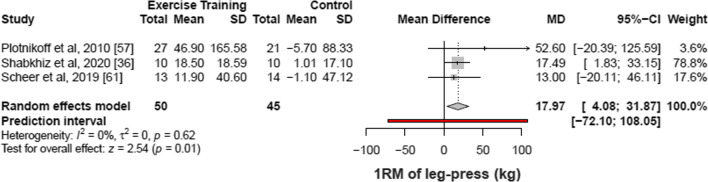
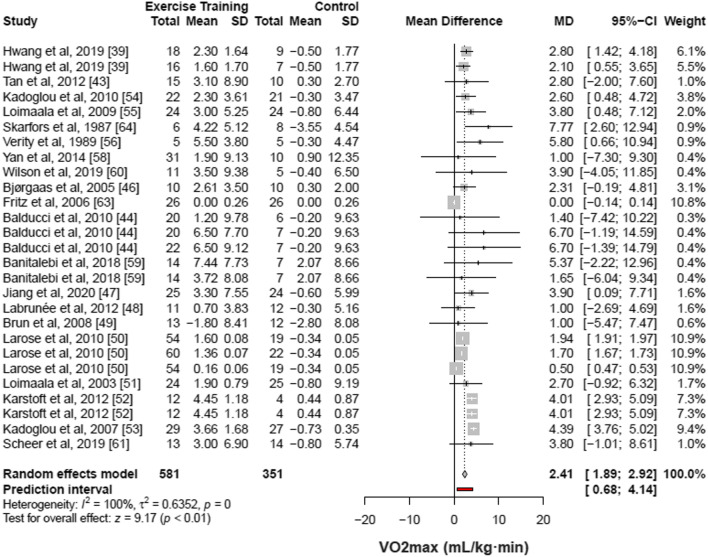
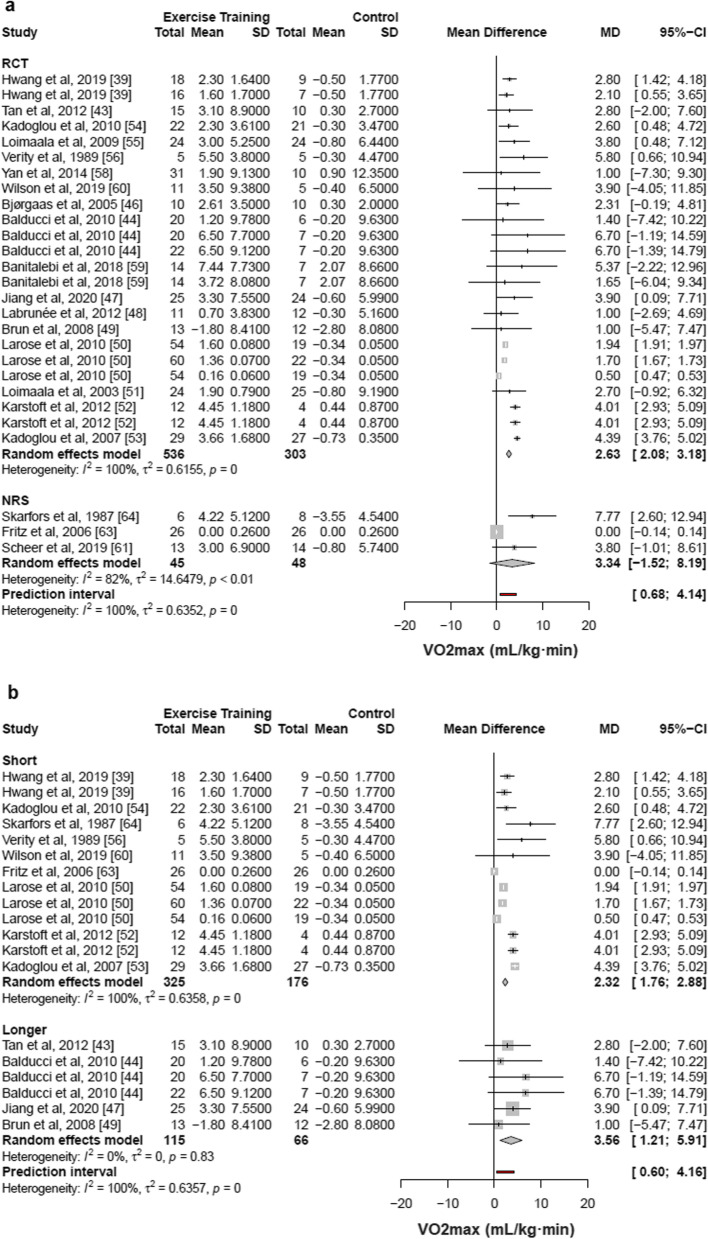
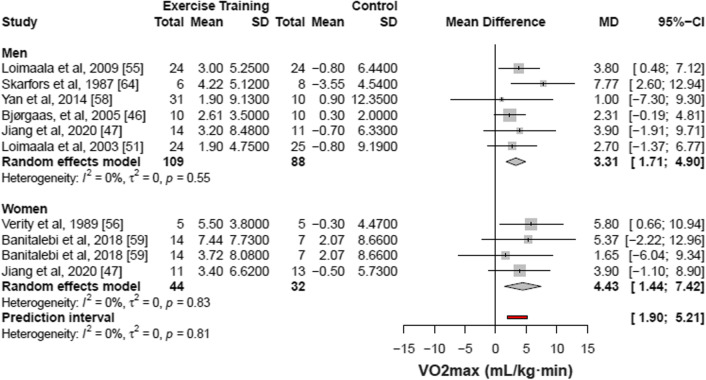
Results: Of 18,112 references retrieved, 29 trials (1557 patients) were included. Among these, 13 studies used aerobic training, 6 studies used combined training, 4 studies used resistance training, 3 studies had multiple intervention arms and 3 studies used other types of training. Exercise training was associated with an increase in functional capacity outcomes, as reflected by changes in 6-min walk test (n = 8) [51.6 m; 95% CI 7.6% to 95.6%; I2 92%], one-repetition maximum leg-press (n = 3) [18.0 kg; 95% CI 4.0% to 31.9%; I2 0%], and maximum oxygen consumption (VO2max) (n = 20) [2.41 mL/kg·min; 95% CI 1.89% to 2.92%; I2 100%] compared with control groups. In sensitivity and subgroup analyses using VO2max as outcome and stratified by type of study (randomized and non-randomized controlled clinical trials), duration of diabetes diagnosis, and sex, we observed overlapping confidence intervals. Meta-regression showed no association between glycated hemoglobin (HbA1C) levels and VO2max [p = 0.34; I2 99.6%; R2 = 2.6%]. In addition, the quality of the included studies was mostly low.
Conclusion: The results indicate that structured physical exercise programs might improve functional capacity in patients with type 2 diabetes, except for the upper-limb muscle strength. However, we could not identify potential effect predictors associated with directional summary estimates. Trial registration This systematic review was registered in the PROSPERO international prospective register of systematic reviews (CRD42020162467); date of registration: 12/15/2019. The review protocol is hosted at the Open Science Framework (OSF) (Preprint https://doi.org/10.31219/osf.io/kpg2m ).
Keywords: Functional capacity; Meta-analysis; Structured exercise training; Systematic review; Type 2 diabetes.
© 2022. The Author(s).
Conflict of interest statement
Lucinéia Orsolin Pfeifer, Angélica Trevisan De Nardi, Larissa Xavier Neves da Silva, Cíntia Ehlers Botton, Daniela Meirelles do Nascimento, Juliana Lopes Teodoro, Beatriz D. Schaan and Daniel Umpierre declare that they have no competing interests.
Figures
References
-
- International Diabetes Federation. IDF Diabetes Atlas Ninth Edition 2019. 2019; Available from: www.diabetesatlas.org - PubMed
-
- Leenders M, Verdijk LB, van der Hoeven L, Adam JJ, van Kranenburg J, Nilwik R, et al. Patients with type 2 diabetes show a greater decline in muscle mass, muscle strength, and functional capacity with aging. J Am Med Dir Assoc. 2013;14:585–592. - PubMed
-
- Park SW, Goodpaster BH, Strotmeyer ES, Kuller LH, Broudeau R, Kammerer C, et al. Accelerated loss of skeletal muscle strength in older adults with type 2 diabetes: the health, aging, and body composition study. Diabetes Care. 2007;30:1507–1512. - PubMed
Publication types
Grants and funding
LinkOut - more resources
Full Text Sources
